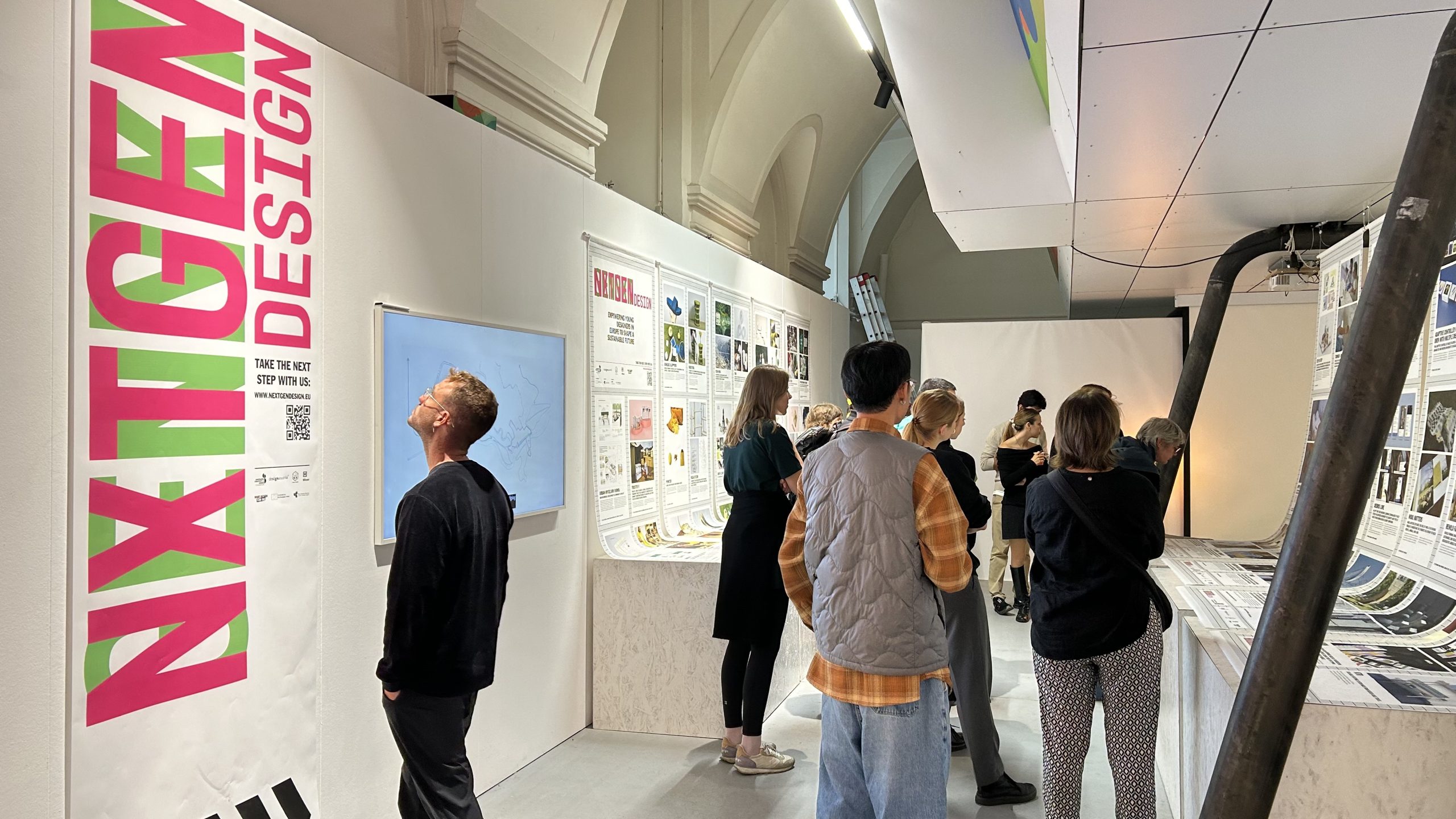
As part of the anniversary programme celebrating 20 years of designforum Wien and 20 years of Vienna Design Week, designforum Wien presents the NEXT GEN DESIGN exhibition.
NEXT GEN DESIGN is a three-year European programme of design competitions, exhibitions and events that supports—particularly young designers—in creating and adopting sustainable design practices. It aims to foster the transition towards a circular economy and contribute to the European Green Deal.
The project brings together five leading European design platforms and festivals: Skopje Design Week, Mikser Festival (Belgrade), designaustria at designforum Wien (Vienna), What Design Can Do (Amsterdam) and Barcelona Design Week.
The exhibition presents selected works and concepts by a new generation of designers addressing today’s environmental and societal challenges and developing innovative approaches for sustainable future.
Guided Exhibition Tour with the Designers 25 September 2026 | 3:00 pm CET
The participating designers will guide visitors through the exhibition and offer insights into their design processes.
Anja (born in 2003 in Pirot, Serbia) is a graduate engineer of architecture and a master’s student in architecture at the University of Belgrade. She has participated in workshops and projects organized by Next Gen Design, Design Link, and the Mikser Festival, collaborating within an international academic environment. This year, together with colleagues Lara Đolović and Dušan Jevtić, she exhibited at the Salon of Architecture a realized project for the atrium of the Faculty of Forestry, which is also one of the winning projects of the Next Gen Design program.
Following an intensive four-day immersion into the rich urban, industrial, social and cultural fabric of Novi Pazar, Mikser Festival is excited to share with you the winning projects of the Mikser Residency Edition.
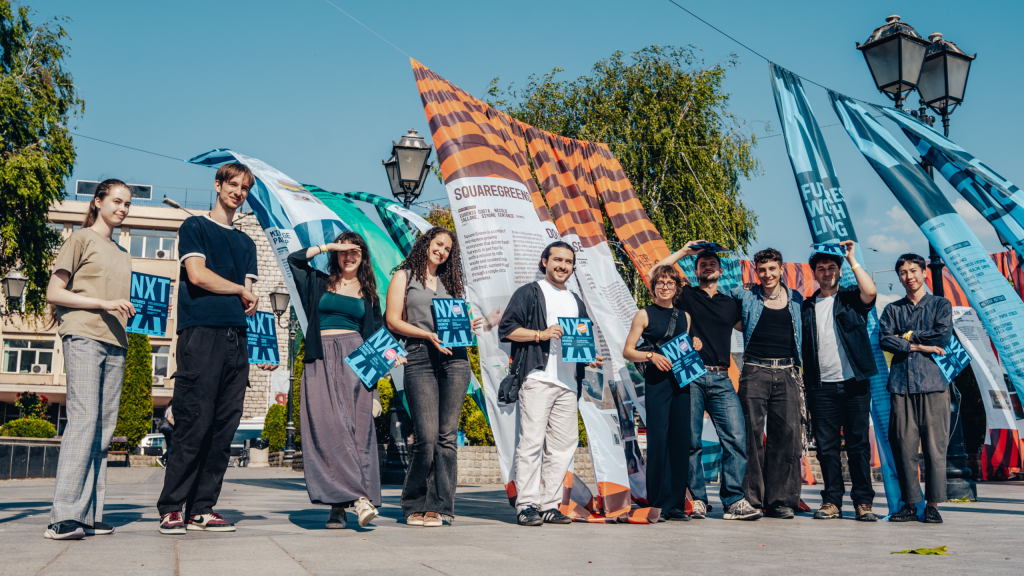
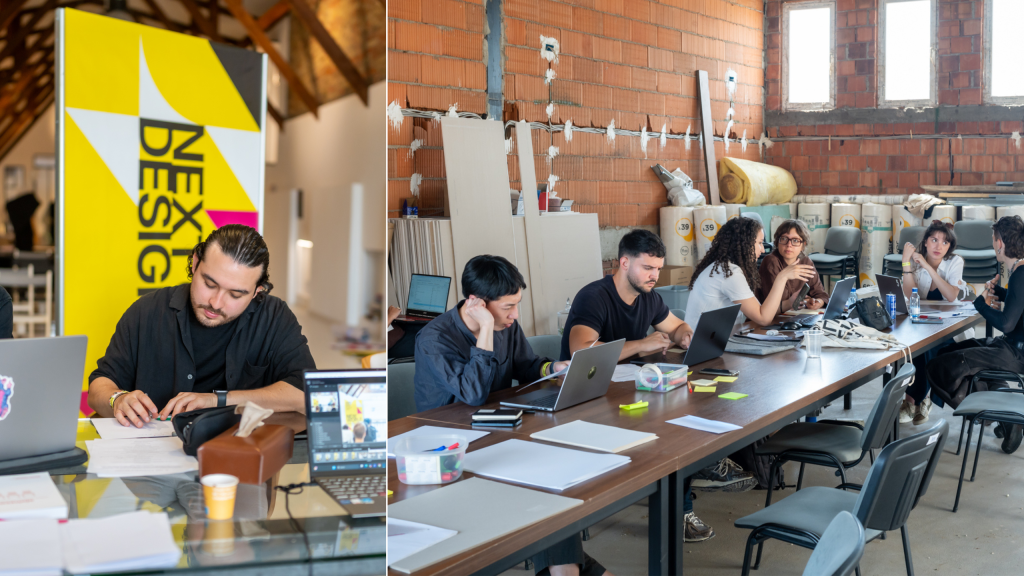
The residency brought together ten international creatives- winners of the Next Gen Design Open Call, for Mikser Festival, held this year in Novi Pazar. Designed as an intensive, research-driven design sprint, the residency challenged participants to investigate the urban, material, and social fabric of Novi Pazar (a city with one of the youngest demographic profiles in Serbia) and propose site-specific, circular, and youth-oriented interventions.
To foster cross-cultural exchange, the designers worked in international pairs, five teams of two, combining creatives from the Balkan region with peers from across Europe. Guided by local architect Semir Poturak and Professor Jelena Matić (Belgrade Faculty of Forestry), the teams navigated the city’s rich physical and cultural layers: its 15th-century heritage as a crossroads of Islamic and Orthodox Christian traditions; its geographical position, its major industrial pillars in textiles and furniture making; its traditional woodcarving and carpentry; its Brutalist monuments built as part of unfulfilled 1960s urban master plans; and its contemporary, profit-driven urban developments.
The 2026 Residency Winners
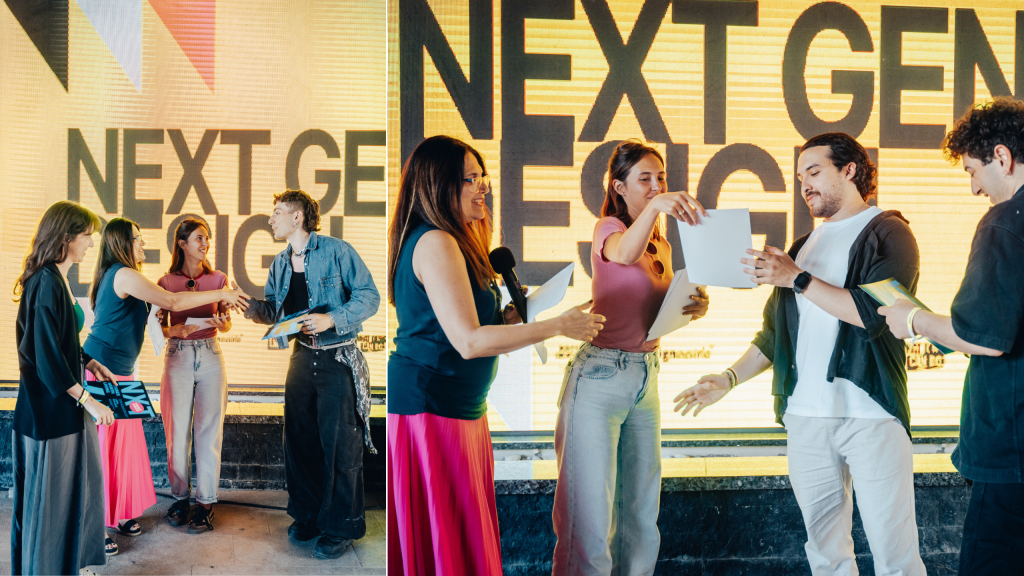
The residency awarded three monetary prizes, 1st Prize: 1000€, 2nd Prize: 600€, 3rd Prize:400€, to celebrate outstanding projects developed in paired teams during their workshop in Novi Pazar. Evaluation focused on conceptual development, circular design principles, teamwork, and local community impact.
1st Prize: NOVI SAV (New Stitch) by Josquin Fromagé (The Netherlands) & Lara Matic (Serbia)
“Creativity is not taught. It is released.”
A mobile, fold-out atelier on wheels equipped with sewing machines, tools, and materials. Designed as a free, accessible pop-up space, NOVI SAV empowers local youth to experiment, repair, and create without academic or institutional barriers. Taps into Novi Pazar’s rich textile manufacturing heritage by involving local master tailors (terzije) as knowledge holders and using donated garment waste to fuel a circular community supply chain.
Jury evaluation:“Exemplary cross-disciplinary teamwork between architecture and fashion design. A smart, mobile solution that celebrates local textile heritage, bridges the generational gap, and stimulates youth creativity while revitalizing public spaces.”
2nd Prize: Novi Sastavci by Alessandro Pantoja Esna (Spain) & Ekim Güney Öztürk (Italy / Turkey)
Situated at the confluence (sastavci) of the Raska and Josanica rivers, this intervention transforms an underutilized, polluted riverbank into a vibrant public meeting point with shaded wooden pavilions, Studenica marble seating, climbing grapevines, and an interactive central fountain. Reconnects citizens with their natural ecosystem while reflecting Novi Pazar’s historic position as a cultural and spatial crossroads.
Jury evaluation: “Demonstrates acute sensitivity to the riverfront and its underutilized public spaces. Outstanding creation of micro-atmospheres and biospheres while thoughtfully respecting the city’s environmental and cultural diversity.”
A holistic, modular design system combining storytelling, city branding, and physical community infrastructure. Features layered geometric branding (inspired by local architecture) and a modular bench made from recycled local wood, bricks, and textiles. Aims to convert an abandoned building in the old town into a active “Heritage Hub” for intergenerational dialogue and cultural events.
Jury evaluation: “A strong, highly implementable city branding and visual framework. Masterfully blends local storytelling with tourism potential, making local heritage tangible across digital, graphic, and architectural dimensions.”
Warmest Thank you to All Residency Participants
We extend our warmest congratulations to all five resident teams for their exceptional research and creative output:
The final presentations took place on June 7th at the Design Hub in Novi Pazar, followed by the official award ceremony in the city center at Kino Mikser. Projects were evaluated according to the six core criteria: Context Relevance, Innovation, Sustainability & Circularity, Impact for Youth, Feasibility, and Collaboration Quality.
Jury Members: Maja Lalić — Creative Director of Mikser & Project Coordinator for Next Gen Design (Serbia); Pepijn Zurburg — Co-founder of What Design Can Do (The Netherlands); Henriette Waal — Artistic Leader of Veenweide Atelier & Co-founder of Atelier Luma (The Netherlands); Jelena Šuka — Architect & Project Coordinator for Next Gen Design (Serbia), and Aleksandar Velinovski — Founder of Public Room (North Macedonia).
***Next Gen Design Residencies take place at every participating design festival, including Mikser Festival, Barcelona Design Week, What Design Can Do / Dutch Design Week, designaustria@Vienna Design Week, and Skopje Design Week, with a total annual prize fund of 10,000€ (2,000€ per festival) dedicated to supporting emerging, young European creative talent.
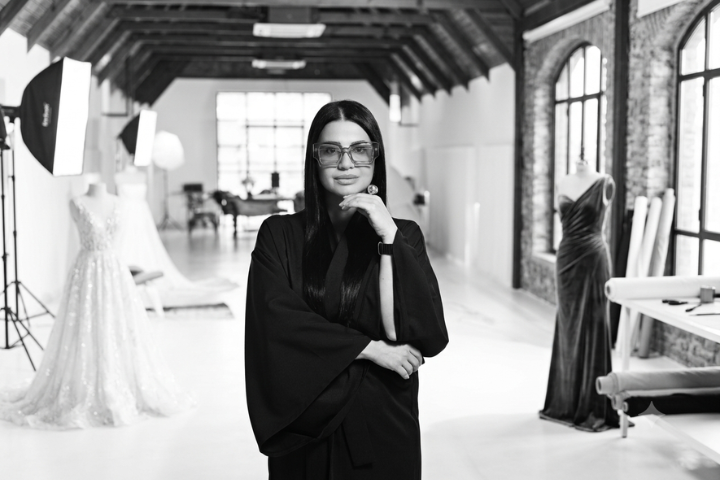
Amina Hasanbegovic is an established fashion designer based in Novi Pazar, Serbia, recognized for her distinct high-fashion aesthetic that balances bold, dramatic silhouettes with subtle, elegant femininity.
Since launching her career, she has specialized in unique evening gowns, custom-made couture pieces, and bridal wear. Her design philosophy rejects passing fast-fashion trends, focusing heavily on craftsmanship, intricate details, and genuine emotional expression.
In addition to running her fashion atelier and dressing prominent regional music and style icons, Hasanbegović incorporates her creative expertise into education, balancing entrepreneurship, family life, and her role as a professor. Deeply influenced by the rich culture of her hometown and an early admiration for classic style icons like Audrey Hepburn. While she continues to scale her brand internationally, she does so through conscious, sustainable growth, remaining deeply rooted in the local ecosystem of Novi Pazar.
We are thrilled to launch the DIGITAL EDITION of the NEXT GEN DESIGN EXHIBITION: “Futures Worth Living”, celebrating the forward-thinking visions of a new generation of European designers.
To bring these incredible ideas directly to your screen, our virtual exhibition features two interactive parts:
The Video Showcase: Watch the winning concepts come to life on screen! Please note: This video compilation specifically features the winning projects that provided a video submission; not all the winning projects are displayed here.
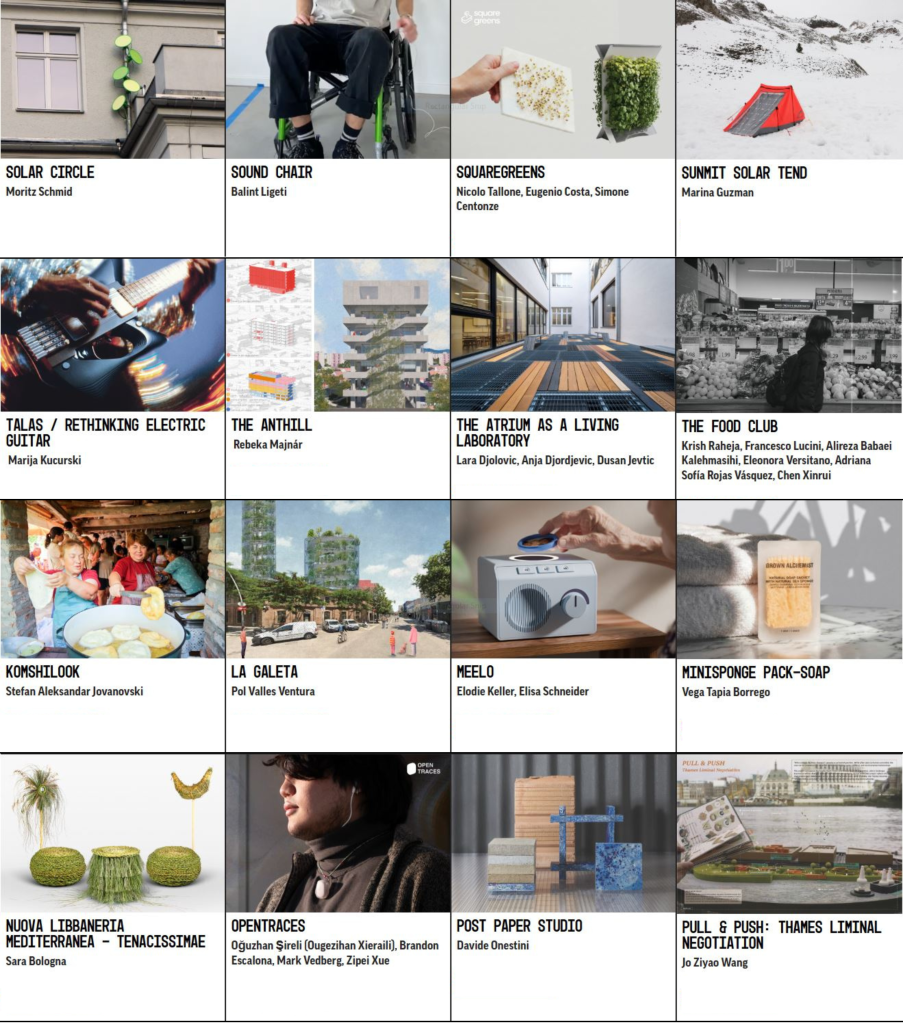
The Digital Exhibition: Explore all 50 winning projects. Browse project visuals, read full conceptual overviews, and meet the creators behind the designs.
Out of more than 190 bold ideas from 29 European countries, an esteemed International Jury selected 50 outstanding projects that challenge existing systems and reframe our relationship with the world around us.
The exhibition is structured around nine key themes reflecting the urgencies of this emerging generation: Designing Care; Matter Matters; More Than Human; Food Futures; Spaces We Share; Trust, Signals and Noise; Everyday Life, Reconsidered; Undesigning; and Learning To See.
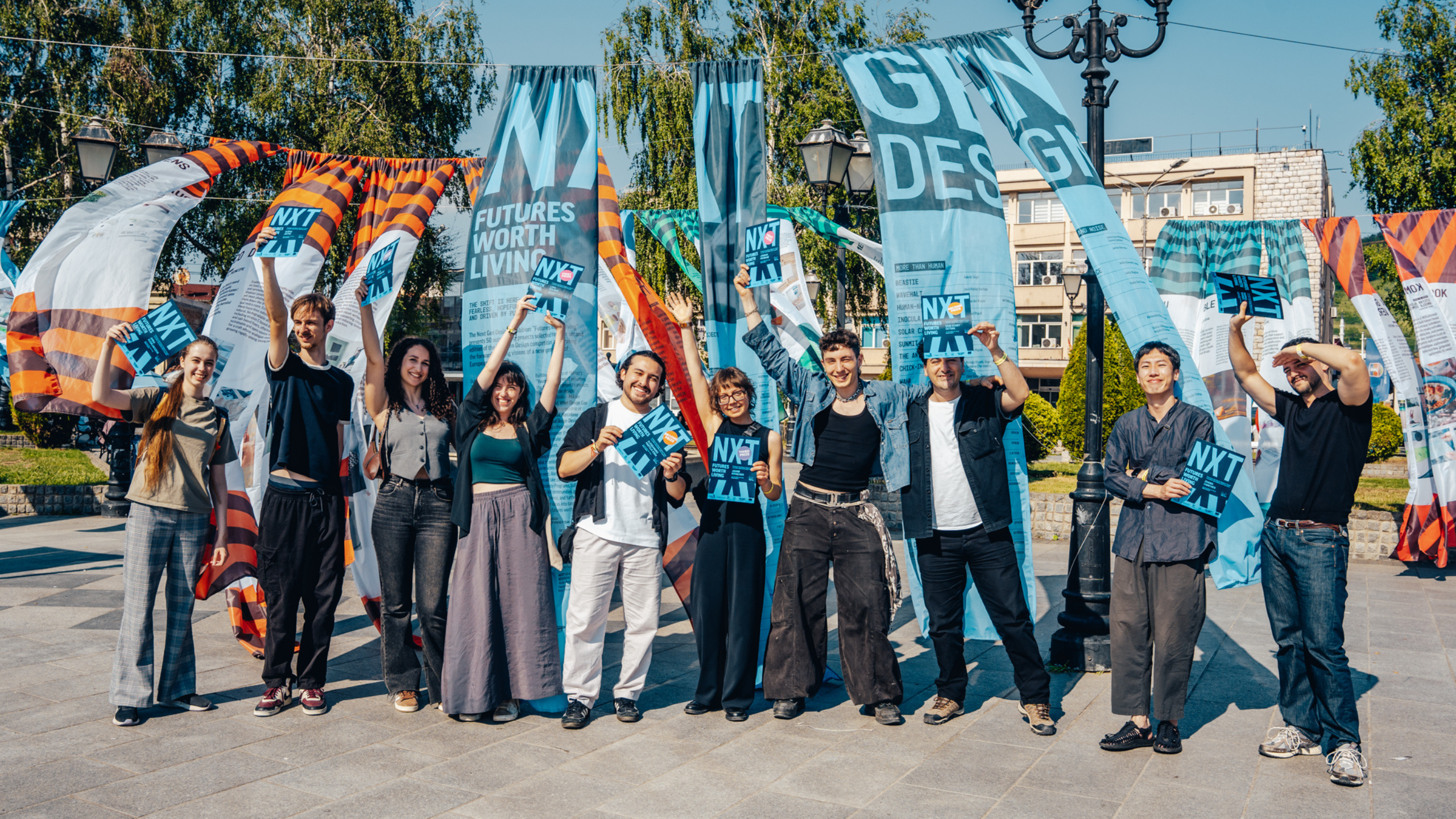
Following its premiere at Mikser Festival in Novi Pazar, the physical exhibition will continue its journey across major European design weeks – designaustria at Vienna Design Week, WDCD at Einthoven Design Week, Barcelona Design Week, Skopje Design Week – while selected designers move on to local Next Gen Design Residency Programs.
Novi Pazar, Serbia — The 2026 edition of the Mikser Festival wrapped up this weekend, transforming Novi Pazar from June 5 to 7 into an epicenter of international innovation, youth empowerment, and cross-cultural exchange. Grounded in the vision of a collaborative “New World,” the three-day event united local youth with emerging creatives from across Europe.
Hosted in Serbia’s youngest demographic hub, the festival kicked off with the Next Gen Design Residency, sparking high-energy, visionary collaborations among participants.
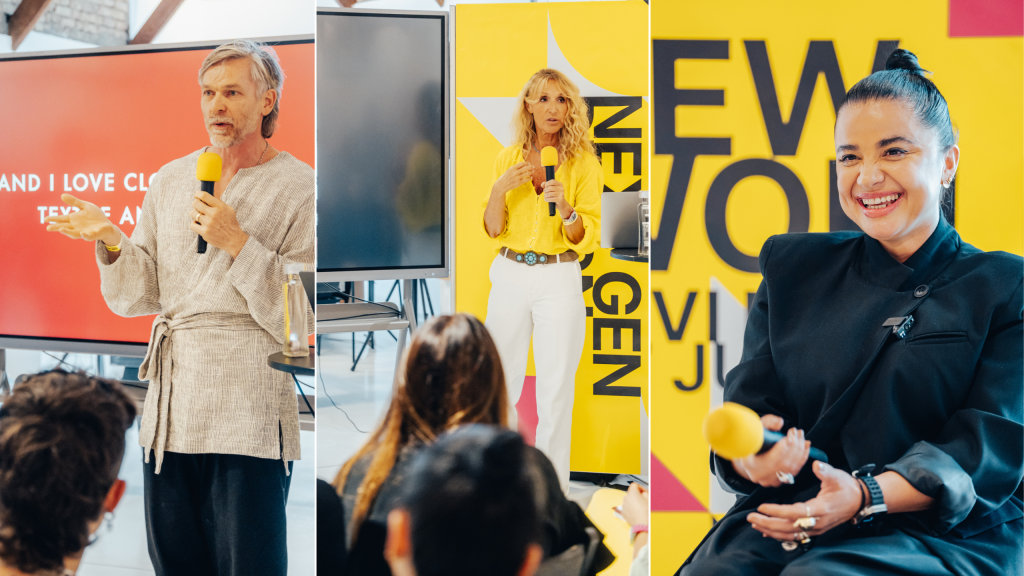
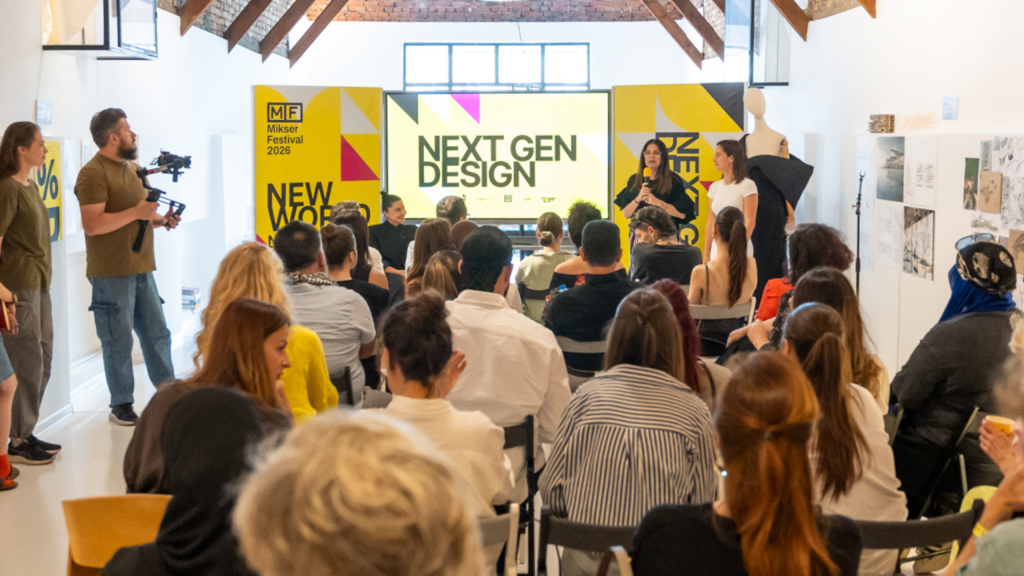
A highlight of the festival was the Next Gen Design Edu Talks series, featuring leading minds across fashion, architecture, and technology who challenged rising talents to redefine contemporary design. The speakers were Ivan Kucina – Architect, founder of the School of Urban Practices (Serbia/Italy); Henriëtte Waal – Artistic leader of Veenweide Atelier/co-founder of Atelier Luma (The Netherlands); Amina Hasanbegovic – Fashion designer, founder of Atelier AH (Serbia); Richard van der Laken – Co-founder of fashion label LAECKEN / co-founder of WDCD Amsterdam (The Netherlands); and Bojana Nikitovic – Costume designer, (Serbia / USA).
Upper photo: Edu Talk Session Two: The Story of LAECKEN — Richard van der Laken, co-founder of fashion label LAECKEN and What Design Can Do (The Netherlands); Threads of the Imagination — Bojana Nikitović, costume designer (Serbia / USA) and From Pazar with Love — Amina Hasanbegović, fashion designer and founder of Atelier AH (Serbia). Lower photo: Maja Lalic Creative Director of Mikser opening the Next Gen Design Edu Talks Session 2.
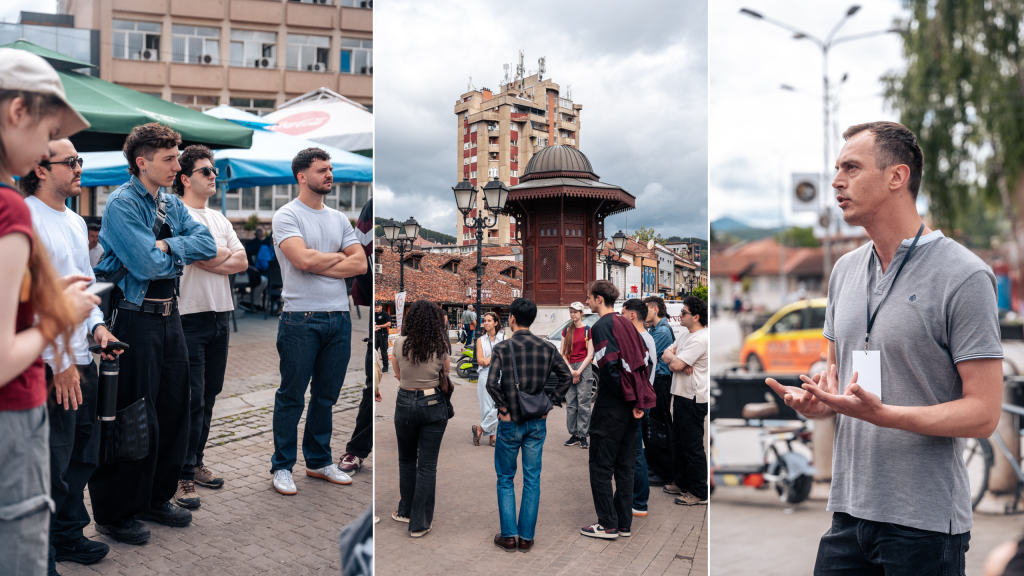
To anchor the discussions locally, architect Semir Poturak led participants through an immersive exploration of Novi Pazar’s architectural heritage, as well as its social and cultural contexts, providing historical depth that directly informed the residency’s design output.
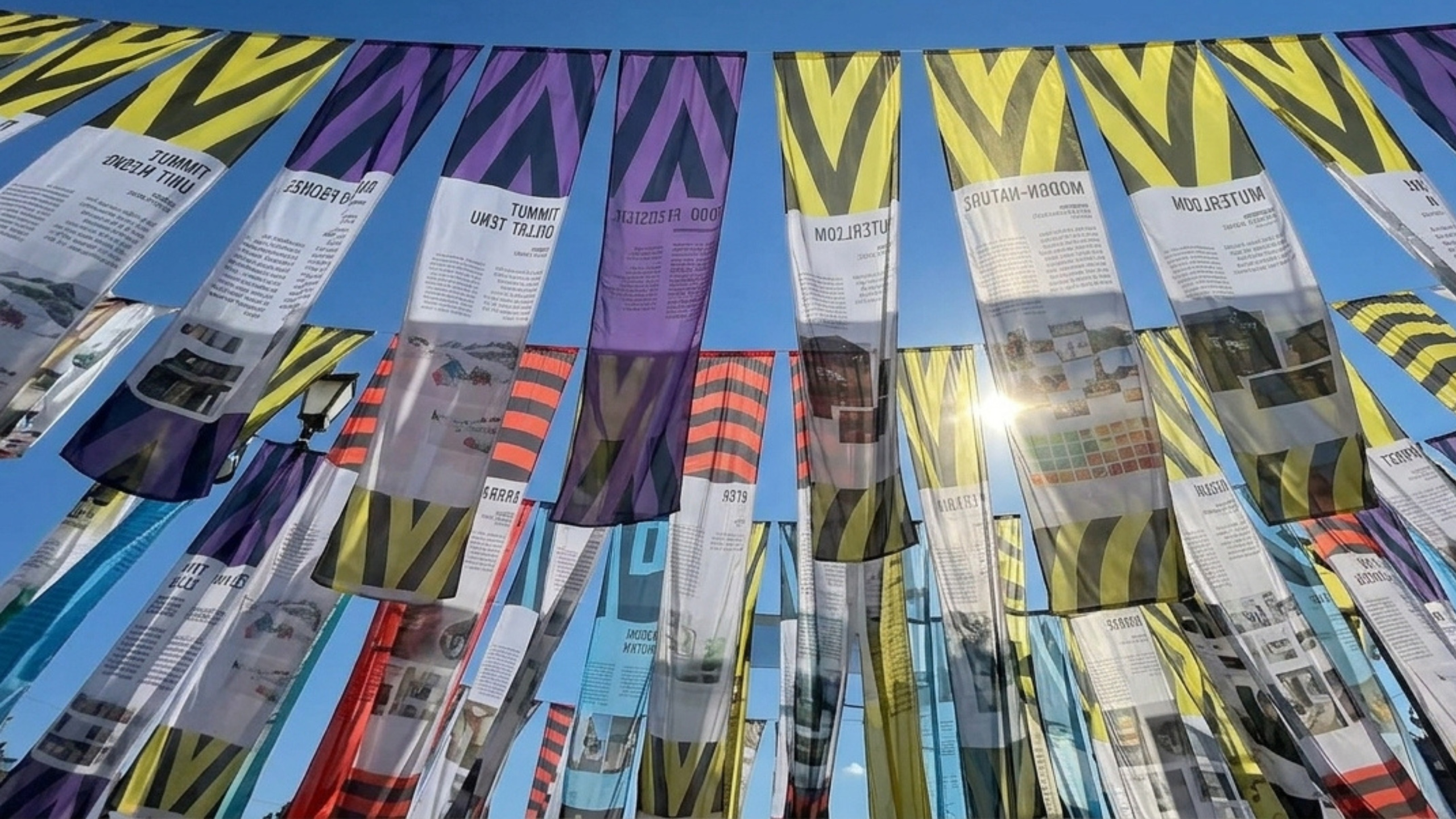
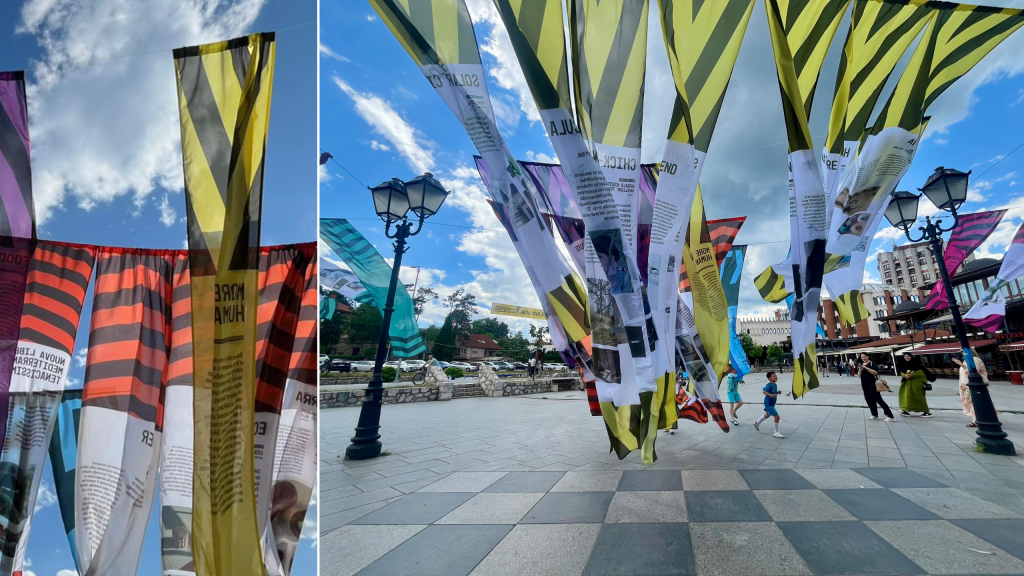
Bringing the vision directly to the public, an open-air Traveling Exhibition “Futures Worth Living” took over the city’s main square, highlighting the bold concepts of the 50 winners of the Next Gen Design Open Call 2026. The installation invited passersby to explore these creative concepts while serving as a powerful tribute — with the exhibition’s setup symbolically echoing protest banners to remind citizens of their local youth’s courage and contribution to nationwide student protests.
Bojana Nikitović’s work in costume design spans theatre, opera, ballet, and film.
She graduated as Valedictorian from the Faculty of Applied Arts in Belgrade in 1989 and began her career in theatre, designing costumes for more than 100 productions, including productions of Shakespeare, Dostoevsky, Dickens, and Molière. Her contribution to the performing arts has been recognised with numerous awards, including an EMMY NOMINATION for Outstanding Fantasy/Sci-Fi Costumes for her work in Dune Prophecy, a winner of the Costume Designers Guild Awards for Excellence in Sci-Fi/Fantasy Television for her work in Dune Prophecy, four Sterija Awards, two Ardalion Awards, and the Grand International Award for Spectacle Design at the YUSTAT Biennial.
Since 2001, she has worked internationally, collaborating with Academy Award-winning costume designer Milena Canonero on films such as The Life Aquatic with Steve Zissou, Marie Antoinette, and The Wolfman. Her film credits include Coriolanus, A Good Day to Die Hard, Ghost Rider: Spirit of Vengeance, and numerous other international productions.
Laken practice advocates for designers’ responsibility to engage with societal issues and contribute to systemic change.
Richard van der Laken is a designer and creative director, and co-founder of the international platform What Design Can Do (WDCD). Through WDCD, he has led numerous campaigns, conferences, and design challenges that bring together multidisciplinary communities to rethink the role of creativity in urgent global challenges such as climate change, inequality, migration, and the transition to circular systems.
Recently, he founded Laecken, a contemporary fashion label that explores men’s self-expression through clothing, accessories, and textiles. Rooted in global craft traditions from regions such as Mexico, Japan, Ghana and India, the brand draws on geometric simplicity and the traditional menswear.
Artist and designer known for her interdisciplinary work in artistic research, environmental design, and community engagement.
She is the artistic leader of Veenweide Atelier and the co-founder of Atelier LUMA, LUMA Arles’ biodesign lab dedicated to bioregional practices and material engineering. Henriëtte has led fieldwork in Mediterranean wetlands, collaborating with remote wetland communities from Southern Europe, Africa, and West Asia. Her work spans co-fabrication systems for beverages, footwear, colors, crafts, and spaces, as part of an ongoing search for new ecosocial balance. Her projects have been exhibited internationally.
In her recent book Water Works (Waal & Driessen, 2025), she outlines ecosocial design as a method, in which the relationship between humans, ecology, and systems is central. The book positions water infrastructures as socio-ecological systems that require new forms of ecological imagination, storytelling, and alliances between human and non-human actors.