Redesign starts now. It is bold. It is brilliant. It is bursting with ideas!
We are excited to announce the 52 winning projects of the NEXT GEN DESIGN 2025 competition! This year’s edition, themed “Redesign Tomorrow, Today,” received over 200 applications from 29 European countries, showcasing an incredible range of creativity, innovation, and vision from the next generation of changemakers.
Our heartfelt thank you to every single applicant who took the time to share their ideas. The quality and passion displayed in the submissions made this year’s selection process both exciting and incredibly challenging for our international jury.
After much consideration, 52 groundbreaking projects have been selected to represent the most inspiring, forward-thinking concepts redefining our collective future through sustainable, inclusive, and impactful design.
You can find the full list of selected creative solutions below.
2025 WINNING PROJECTS
URBAN MYCELIUM FARMS – Ala Talebian, Alonso Francisco Martinez Diaz (A2 Collective), Sweden
Trustto V – Alicia Manzano, Joan Mora, Lidia Hernández, Carla Vicente, Spain
Share-it! ♻ – Amnon Direktor, Belgium
Piss Soap – Arthur Guilleminot, The Netherlands
Adaptive Controller for Children with Multiple Disability – Balint Ligeti, Hungary
AMBER GRAIN EMBROIDERY – Barbara Rakovská, Czech Republic
Wool Matters – Beatriz Isca, Portugal
rewild farming – Benjamin Onno Dikmans, Bram de Vos, The Netherlands
ReLEAF – Borbála Kiszely, Angelique Tscherne (The Interns), Austria
Uitgelezen / Finished Reading – Carolien Weerstand, Netherlands
Bacterial Brickbats – Carolina De Lara, Sweden
Looop Can – Cheuk Laam Wong, Margaret Wu, UK
Kantamanto Social Club – Daan Sonnemans, Anabel Poh, The Netherlands
Debris Lore – Diana Galindo, UK
NATURE’S DUAL DELIGHT – Dora Vučemilović, Croatia
Tando – Elisa Schneider, Germany
Step by Step – Emily Klein, Austria
Tarnur – Multifunctional Set – Emina Murtezić, Bosnia and Herzegovina
HIPCARE – Eva Vera García, María Paula Rodríguez Garavito, Júlia Robledo Carrió, Arsenio Andrea Meomartino, María Songel Sanchis, Spain
Penapalne – Fangzhou Yin, Cheuk Laam Wong, Bob Sun, UK
Bias-Unbias – Federica Breedveld Bortolozzo, Italy
Startbahn+ “Ruhsack” – Florian Steidl, Austria
Remember the Future – Gerald Geier, Austria
Fabulous Fungi: Regenerative Colour for a Sustainable Future – Ilse Kremer, The Netherlands
Metal Origami – Íris Ribeiro, Portugal
The Flooding School for Amphibious Living – Jacqueline Yu, UK
Okara – Jan-Elias Kronberger, Austria
yarn – Janine Kerscher, Germany
KTR: Scalable Shelving System from Reused Cable Trays – Jasmin Bermadinger, Austria
Tera Mira – Jeanne Begon-Lours, Lucy Dain-Williams, UK
Trio – Joey Fulterer, Austria
Santa Carxofa – The Tradition of a Land Made into Beer – Justine Oriana Vargas Parra, Spain
Handrail Series – Kerstin Pfleger, Peter Paulhart (studio re.d), Austria
SONO – Konstantin Diehl, Germany
ReTurn – Lale Knapp, Nele Oetjens, Germany
JeanEase Slippers – Laura Übertsroider, Austria
BioStool – Lazar Avramovski, North Macedonia
POMTER – Biopolymer Packaging from Organic Waste – Leja Rebolj, Slovenia
regalsystem – Ludwig Bachmann, Austria
La Fourmilière. Cohousing for Youth with Functional Diversity – Maria Lledo, Spain
FIX – Maria Mei Bellsolà López, Mario Sanz Lameiro, Núria Fandos Arriero, Spain
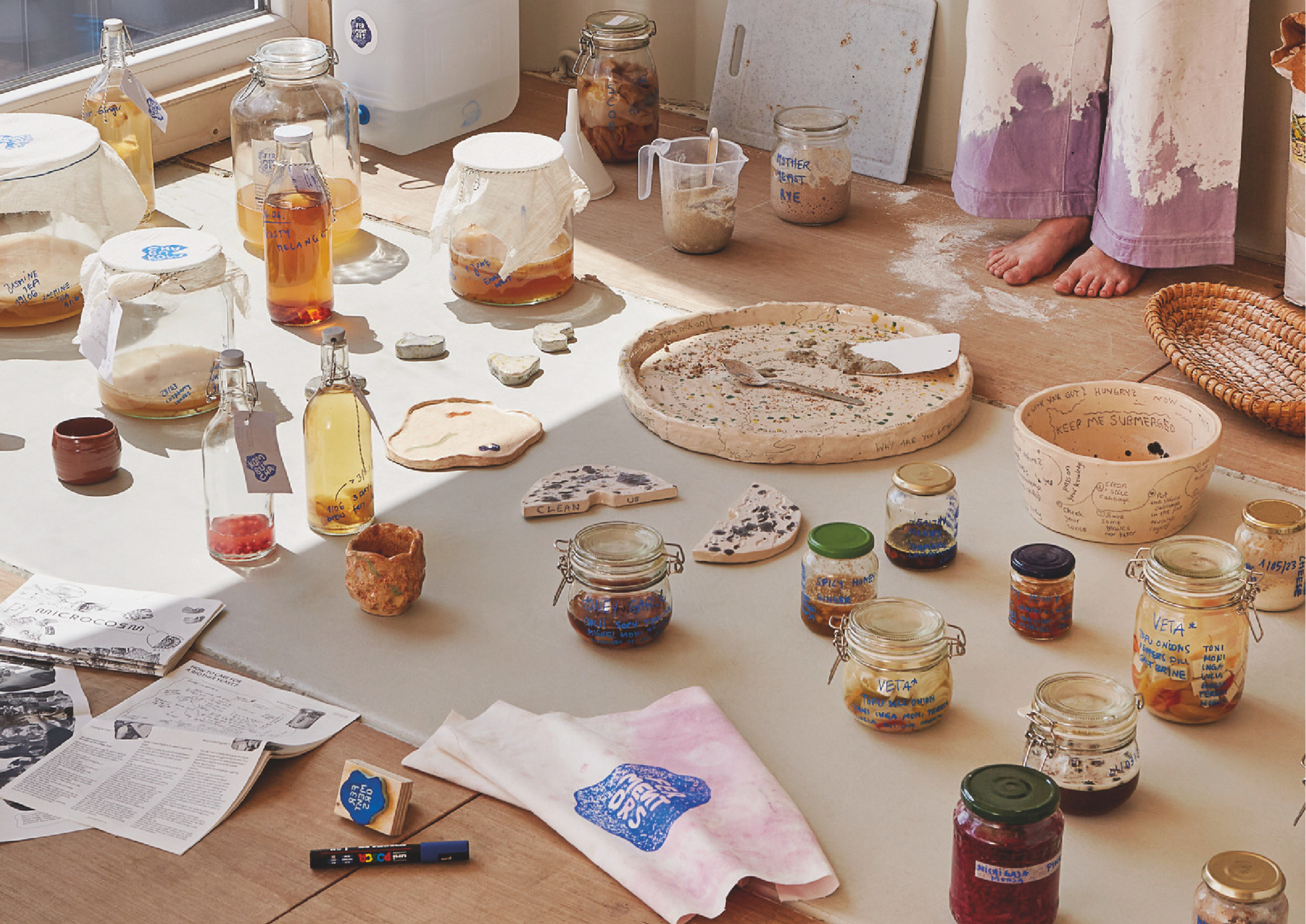
Fermentors – Monja Simon, Germany
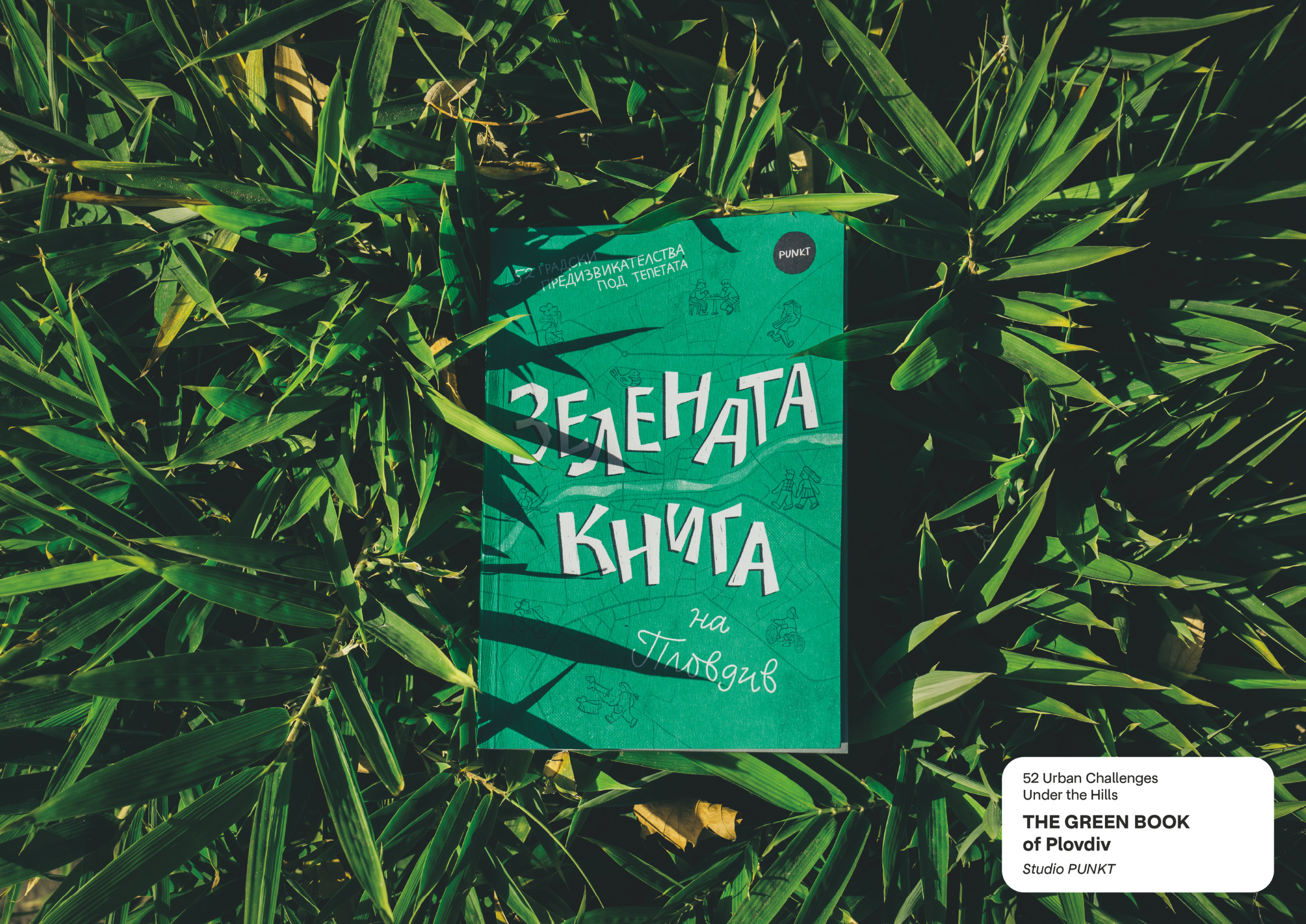
The Green Book of Plovdiv – Nadezhda Karidova, Mihaela Angelova, Pavel Pavlov, Sofia Petrova (punkt.studio), Bulgaria
Crafted Consumer Goods (CCG) – Nawon Koo, The Netherlands
Solo – Nils Sorger, Germany
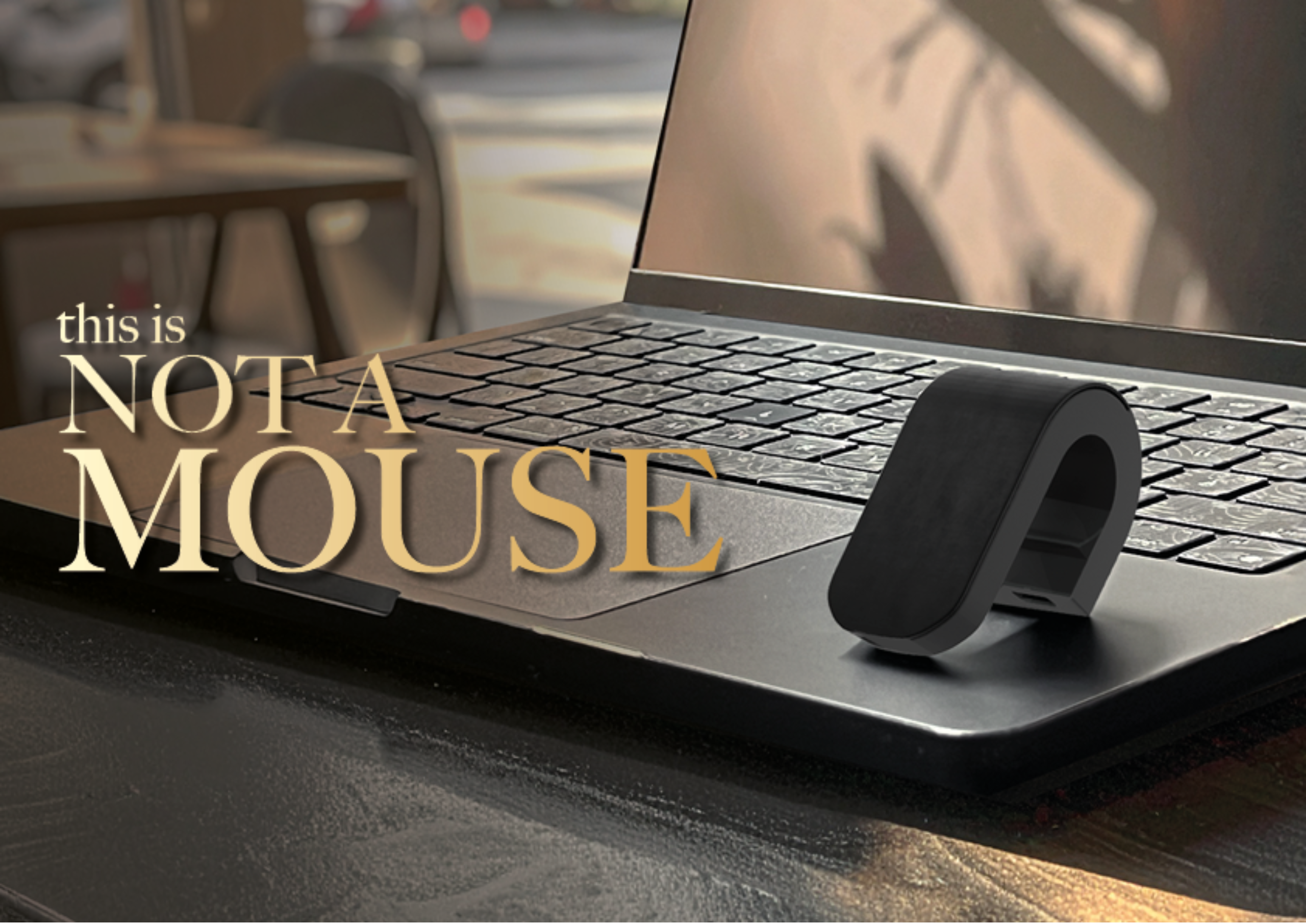
NotAMouse – Nina Steiner, Quan Zheng, Austria
pHen – Nora Gulya, Szonja Somogyvári, Boldizsar Csongor Nagy, Hungary
Segons, the Pleasure of Eating – Núria Perea Domènech, Spain
Sea Glass – Paolina Kuhr, France
Roots Of Ogham – Robyn Brown-Burke, Ireland
Safetrays – Sara Cherry, Portugal
Reefine – Zhong-Wei Lin, UK
Congratulations to all the winners!
We cannot wait to share your ideas with the world and showcase how you are reshaping the future through creativity. Stay tuned for the upcoming steps!