

Nele Oetjens studies product and process design at the University of the Arts (UdK) Berlin. Her work moves between product and concept design, driven by curiosity for unconventional ideas and approaches. Through her studies at UdK Berlin and OCAD University Toronto, she has gained experience in material experimentation, circular design, and storytelling. She has worked in design studios (like Studio Berg and Mark Braun), focusing on product development and design processes. Her projects have been shown at exhibitions like Designblok Prague and Berlin Design Week. Additionally, she has worked in production design and art fabrication, including assisting with Ai Weiwei’s artworks. Nele is interested in design that not only looks good but also communicates ideas and challenges perspectives.
Month: May 2025
Lale Knapp

Lale studies product design at the University of the Arts Berlin, focusing on sustainable design, biomaterials, and circular systems. Passionate about material innovation, she has gained hands-on experience in material research and development during her time at Mujo Lab. While participating in the Erasmus exchange at the Estonian Academy of Arts, Lale explored new perspectives on design and sustainability. Her work bridges experimentation and functionality, aiming to create thoughtful, forward-thinking solutions that promote ecological consciousness and responsibility.
Laura Ubertsroider

Laura Ubertsroider is a 21-year old Indutrial Design student based in Salzburg, Austria. With a passion for design, she has gained experience in many different fields, such as interior design, wood working and illustration. Laura Ubertsroider has worked in many different design projects and specializes in product design. In addition to her studies, she enjoys art, photography and handicrafts. She is always eager to learn and take on new challenges, aiming to make a positive impact in the creative field.
Adaptive Controller for children with multiple disability
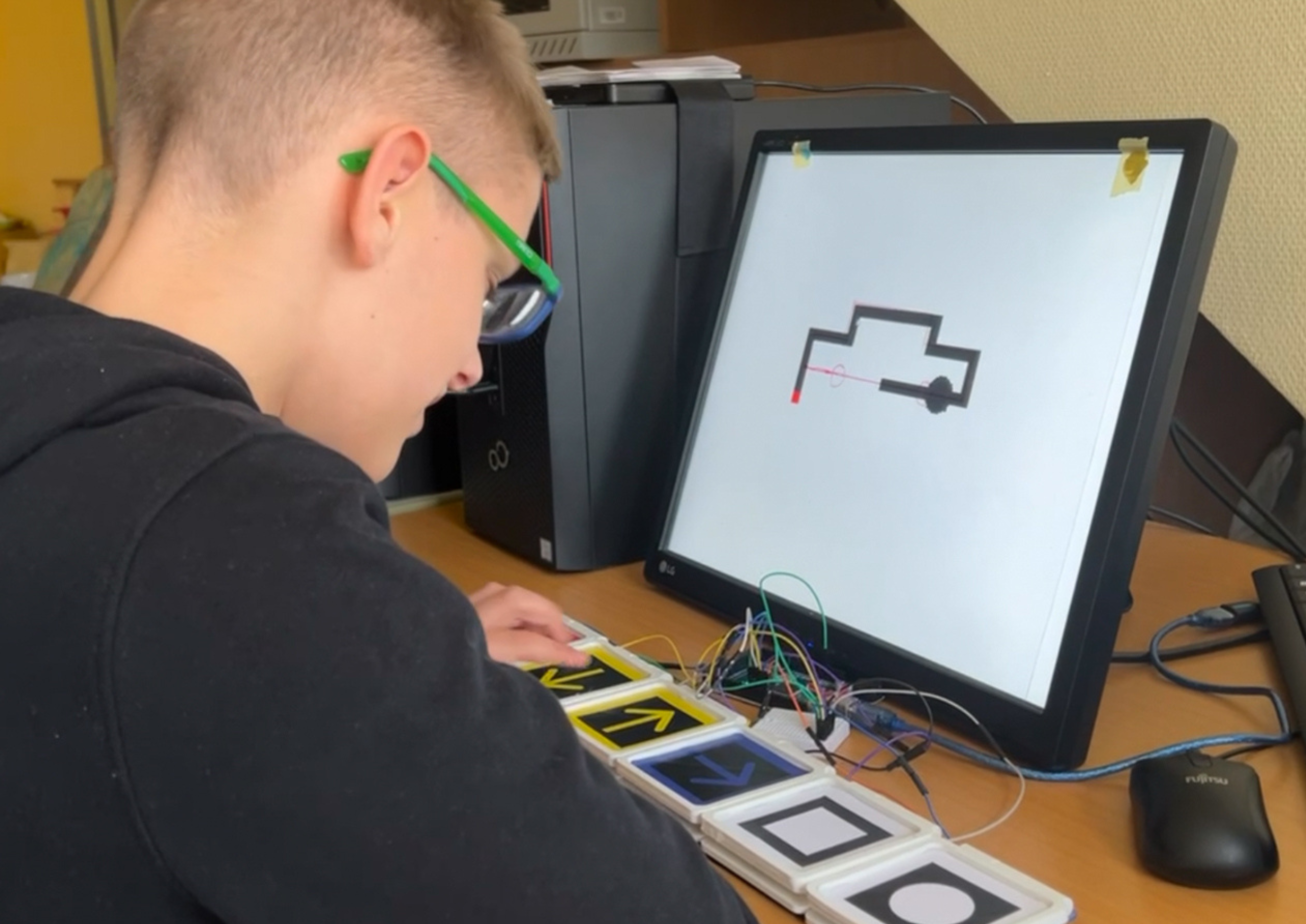
My adaptive controller enables children with multiple disabilities and motor impairments to engage in drawing, enhancing their creativity, hand-eye coordination, and self-expression through a playful and adaptable tool.
Define the problem/need you are solving or addressing with your project. How does it address the Open Call criteria, such as environmental impact, social engagement, circularity, user experience, resource efficiency, and community-driven solutions?
Children with multiple disabilities often lack access to draw due to severe motor impairments, limiting their ability to express themselves. My project addresses this by developing a controller-operated drawing robot and a digital drawing app, allowing these children to engage in drawing despite physical limitations. This enhances their creativity, self-expression, and hand-eye coordination in an intuitive, inclusive way. The project emphasizes social engagement by fostering inclusivity and accessibility. It promotes resource efficiency by utilizing affordable, adaptable components, ensuring widespread use. The robot follows circularity principles, as its modular design allows for repairs and upgrades. User experience is at the core, ensuring intuitive interaction tailored to individual needs. By collaborating with disability experts and schools, the project is community-driven, shaping a solution that directly benefits users. Ultimately, it empowers children with disabilities, giving them a voice through art.
Please describe your project, reflecting on the concept, inspiration, materials, technical aspects, methods and process(es).
My project is a controller-operated drawing robot designed for children with multiple disabilities, enabling them to create art despite severe motor impairments. Inspired by the need for accessible creative tools, it empowers children who cannot hold a pencil to engage in self-expression through drawing. The device consists of an Arduino-controlled system that translates user inputs into precise movements, allowing the robot to draw on paper or a digital surface. The controller is customizable, adapting to the child’s physical abilities. Materials are selected for durability and modularity. The buttons are 3D printed. The development process involves research with disability experts, prototyping with accessible electronics, and iterative testing in schools. By combining assistive technology with creative expression, the project highlights the intersection of inclusivity and innovation, redefining artistic accessibility for children with disabilities.
What do you think makes your project innovative compared to the existing efforts and ideas in the field it addresses?
My project stands out by merging assistive technology with artistic creativity, offering a uniquely accessible drawing experience for children with multiple disabilities. Unlike traditional adaptive tools, which focus primarily on communication or mobility, this controller-operated robot prioritizes self-expression, allowing children who cannot hold a pencil to engage in artistic creation. Existing solutions, like eye-tracking or switch-based input devices, are often expensive, complex, or limited in artistic freedom. My approach emphasizes affordability, adaptability, and open-source accessibility, ensuring that it can be customized to individual needs. By using modular, repairable components, the project also promotes sustainability and circularity. Furthermore, the project’s development includes direct collaboration with children, educators, and disability experts, ensuring real-world usability and engagement. This community-driven approach makes it more than just a tool—it becomes a bridge between technology and creativity, fostering empowerment and inclusion in an innovative, meaningful way.
Does it impact or reflect young people need(s) and how?
Yes, my project directly addresses the needs of young people with multiple disabilities by providing them with an accessible way to engage in creative expression. Many children with motor impairments struggle to participate in traditional drawing or digital art, limiting their ability to explore creativity, communicate visually, and develop fine motor-related cognitive skills. This project empowers them by offering an intuitive, playful, and adaptable drawing experience through a custom-built controller. By transforming movement limitations into artistic output, it fosters confidence, self-expression, and joy. Additionally, the project promotes social engagement by enabling young people to create art independently or collaboratively. It also raises awareness of inclusivity in creative fields, encouraging educators, designers, and technologists to rethink accessibility in art and play. The project’s open-source nature ensures that it can evolve based on real needs, continuously improving its impact on young people’s creative and personal development.
AMBER GRAIN EMBROIDERY | Growing folklore elements

Amber Grain Embroidery explores the intersection of bio-design, folklore, growing textiles from roots, waste wool, and digital fabrication to create sustainable, tradition-inspired garments that challenge conventional materiality and celebrate nature’s invisible craftsmanship.
Define the problem/need you are solving or addressing with your project. How does it address the Open Call criteria, such as environmental impact, social engagement, circularity, user experience, resource efficiency, and community-driven solutions?
The Amber Grain Embroidery project addresses the urgent need for sustainable textile alternatives by exploring root-based materials and bio-fabrication methodologies. The fashion industry is heavily reliant on resource-intensive production, which generates excessive waste and pollution. This project introduces a circular approach by growing textiles from seeds, waste wool, and natural binders, eliminating the dependency on synthetic fibers and chemical processing. By integrating biodesign with Czech and Slovak folklore traditions, it fosters social engagement and reconnects communities with local craft heritage. The use of organic materials that are regenerative and naturally decomposable supports resource efficiency. Furthermore, it enhances user experience by offering garments that evolve over time, embodying nature’s dynamic transformations. Aligned with environmental impact and community-driven solutions, Amber Grain envisions a new paradigm in materials that not only nurtures sustainability but also celebrates cultural identity, challenging the linear model of fast fashion.
Please describe your project, reflecting on the concept, inspiration, materials, technical aspects, methods and process(es).
Amber Grain is a visionary bio-design project focused on redefining textile creation by cultivating materials from roots and using waste wool. Inspired by Slovak and Czech folklore, it merges traditional craftsmanship with biological fabrication, unearthing the hidden world below the surface: roots as living, evolving materials. The process begins with germinating seeds in molds, allowing root systems to intertwine and form organic structures. Utilizing alternative binding agents and post-processing techniques, these materials acquire necessary flexibility and durability for fashion applications. The project integrates agriculture, textile design, and material research to minimize waste and energy usage. Key methods include establishing controlled growth environments, applying biomaterial treatments, and utilizing natural dyeing processes. The output is a sustainable, biodegradable collection that takes inspiration from Czech and Slovak folklore while challenging conventional fabric production methods, embracing circularity, and leveraging local resources. Amber Grain narrates a story of nature’s unseen craftsmanship through its living garments.
What do you think makes your project innovative compared to the existing efforts and ideas in the field it addresses?
Amber Grain distinguishes itself by merging biodesign, folklore, and textile innovation, leading to the creation of root-grown materials inspired by traditional craftsmanship. The project harnesses the structures of roots to form fabrics, seamlessly integrating natural fibers like raw wool to enhance texture and strength. It pioneers a fully regenerative textile system, where materials grow, evolve, and can decompose naturally, heavily contrasting the linear fast fashion model. The focus on localized and circular production redefines material sourcing, positioning the designer as a cultivator and collaborator with nature. By reconnecting biological processes with cultural heritage, Amber Grain engages communities in rediscovering sustainable textile traditions. This project not only represents a shift in material innovation but also introduces a new biomaterial language—adaptive, biodegradable, and closely linked to the environment, ultimately setting a new standard in sustainable fashion design.
Does it impact or reflect young people need(s) and how?
Amber Grain resonates deeply with young consumers who prioritize sustainable, ethical, and innovative alternatives in fashion. In an age marked by climate concerns and rampant overconsumption, younger generations are increasingly seeking out products that embody circularity and biodegradability, aligning with their values of environmental stewardship and conscious consumption. This project offers a tangible solution by introducing root-grown textiles that eliminate reliance on synthetic materials while promoting the ideals of slow fashion. Additionally, Amber Grain fosters creative engagement, inspiring new designers, artists, and makers to delve into bio-fabrication as an exciting frontier in fashion and material creation. By reinvigorating cultural heritage through modern biodesign principles, the project connects young individuals to traditional craftsmanship in relevant and meaningful ways. By challenging conventional production, Amber Grain empowers youth to cultivate a more profound relationship with nature and redefines the future of material innovation and sustainable fashion practices. It also emphasizes the importance of soil fertility while showcasing wool as a valuable resource.
Wool Matters
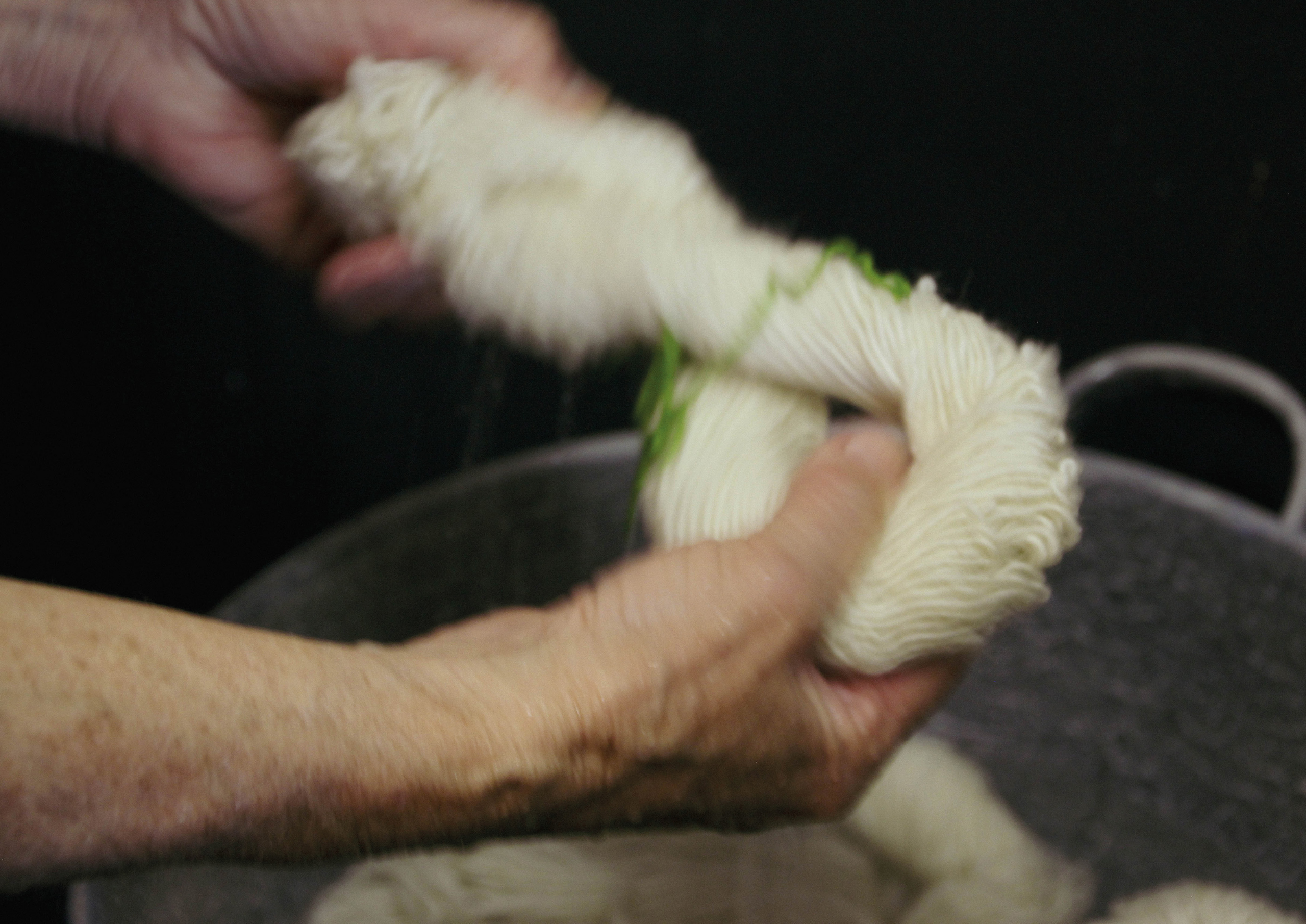
‘Wool Matters’ explores the role of wool as the weaving thread between people, animals, and land, seeking alternative values for local wool that foster care and humility towards nature.
Define the problem/need you are solving or addressing with your project. How does it address the Open Call criteria, such as environmental impact, social engagement, circularity, user experience, resource efficiency, and community-driven solutions?
Wool has transitioned from a gift from sheep to a global industry that exploits animals and land, often favoring anthropocentric views and unsustainable living patterns. Annually, around 80% of European wool is discarded, with wool graded and priced based on thickness, which supports intensive merino sheep farming, leaving coarser and colored wool produced by other breeds marginalized. This practice threatens the survival of native sheep breeds, the livelihoods of shepherds, and the maintenance of landscapes. By focusing on the 1.5 million kilos of wool produced by sheep in the Netherlands, the project fosters discussions about the challenges and possibilities of re-establishing local production and consumption networks, supported by grassroots initiatives aimed at reintegrating local wool into circulation.
Please describe your project, reflecting on the concept, inspiration, materials, technical aspects, methods and process(es).
Framed by a post-humanistic approach, “Wool Matters” examines wool to understand the symbiotic relationships between people, animals, and land. The designer traveled across the Netherlands engaging with various stakeholders in the local wool landscape—farmers and craft communities—to collect their insights and document their environments. This mapping of the wool journey was compiled into a book, serving as a visual and tactile exploration of the field, catalyzing reflection and demonstrating that not all wool is tied to exploitative practices. Inspired by participatory design methods, local citizens participated in creating a woolen blanket, symbolizing a meeting point for all actors in the landscape and representing an ideal final stage for wool. This endeavor shows the diversity and potential of wool beyond its conventional industrial associations, fostering connections in the wool ecosystem while celebrating its value.
What do you think makes your project innovative compared to the existing efforts and ideas in the field it addresses?
“Wool Matters” innovatively uncovers alternative values for local wool that connect people to their landscapes without being profit-driven. Rather than focusing solely on product applications, the project emphasizes amplifying the voices of human and nonhuman actors within the wool ecosystem, transforming consumers into active citizens. This shift fosters increased material literacy and awareness, highlighting wool’s intrinsic worth not merely as a resource but as a conduit for dialogue about sustainability, intensive farming, overproduction, and fossil fuel reliance. The outcomes emphasize the importance of craft and local community-driven initiatives, aiming to redefine our relationship with nature. Additionally, the project explores the designer’s role as a systemic change maker, illustrating how designers can collaborate with local communities as facilitators and communicators, thereby reshaping societal structures around consumption and production.
Does it impact or reflect young people need(s) and how?
Yes, the project’s emphasis on local wool awareness and material literacy supports the shift towards sustainable lifestyles among young people. Understanding the origins, processing methods, and impacts of consumer choices empowers individuals to make informed decisions that are better for the environment. “Wool Matters” aims to redefine the relationship with wool through eco-conscious education, inspiring youth to engage with the more-than-human world and to acknowledge the loss of material and cultural heritage. Furthermore, it invites young people to consider the wider implications of their consumption and production habits surrounding this ancient material. By emphasizing local wool, the project contributes to reducing reliance on fossil-fuel-based materials, ensuring the biodegradability of textiles, and promoting biodiversity while fostering connections to local landscapes and resources. This holistic approach resonates with the values of younger generations and enhances their awareness and responsiveness toward environmental and cultural sustainability.
Lazar Avramovski

Lazar Avramovski is an Industrial Designer based in Skopje, North Macedonia. He is a graduate from the Faculty of Mechanical Engineering in Skopje, with a Bachelor degree in the field of Industrial Design. Lazar’s primary work centers on practical projects that allow him to explore different materials and their properties. Currently, he is focused on developing ecologically conscious designs that integrate sustainable principles into the design process.
Elisa Schneider

Elisa Schneider was born in Bavaria (Germany) in 2001. She is studying sustainable design at the „ecosign / Akademie für Nachhaltiges Design” in Cologne, specialising in social sustainability. In 2021, she received a scholarship from a German organisation for the promotion of gifted students. Her internship at the „German Corporate for International Cooperation”, involvement as an UN volunteer and work with the NGO „Endulen e.V.”, which supports rural healthcare in Tanzania, shaped her commitment to international cooperation. In 2023, she was able to take part in a project trip to Tanzania, where she could learn about the life and needs of the local communities. Alongside her studies, she works in web and online communication design for UNICEF Germany.
Dora Vucemilovic

Born in April 1989 in Osijek, Croatia. Works as a designer in the multidisciplinary design office – Edificó Design and she is also the founder of the company. She graduated from the University of Zagreb, Faculty of Civil Engineering. Dora finds inspiration for her projects in nature, interpreting its shapes and decors into projects. And in travels, getting to know new cultures and construction methods with an emphasis on sustainable and energy-efficient solutions.