BioStool

BioStool is a project that combines bio-forms and a practical design approach to reduce material usage and waste. The result was a multifunctional cardboard stool inspired by beehive structures, coated with a paper mache mixture.

Define the problem/need you are solving or addressing with your project. How does it address the Open Call criteria, such as environmental impact, social engagement, circularity, user experience, resource efficiency, and community-driven solutions?

The BioStool project addresses the need for sustainable, multifunctional furniture that reduces material waste and environmental impact. Traditional furniture production involves significant material waste and high energy use. This project offers a sustainable solution by using cardboard, a material that’s often discarded, while also repurposing its scraps to create a functional, durable stool. The stool is multifunctional and can serve as both a seating solution and side table. This approach promotes resource efficiency and a longer product life. The scrap cardboard that is produced, is repurposed into a paper mache mixture which covers the stool, minimizing waste and supporting a circular economy. The project promotes environmental responsibility, offering a zero-waste solution that can be easily recycled at the end of its life cycle.

Please describe your project, reflecting on the concept, inspiration, materials, technical aspects, methods and process(es).

BioStool is inspired by structures that appear in nature, to be more precise, the cellular structures found in beehives, human bones, and natural sponges. This inspiration led to a design that maximizes strength while minimizing material usage, resulting in a lightweight yet durable stool made entirely from cardboard. The process begins with laser cutting cardboard into specific shapes, assembling them and creating a cellular like structure that ensures structural integrity. The leftover scraps are then repurposed into a paper mache mixture, which is applied to the stool, adding texture and enhancing durability. This method reduces waste and also adds to the stool’s unique aesthetic. The stool serves as both a place to seat and a side table, demonstrating multifunctionality.

What do you think makes your project innovative compared to the existing efforts and ideas in the field it addresses?

What sets the BioStool apart is its focus on rethinking everyday objects through a sustainable design lense, without compromising functionality. Unlike traditional furniture that is made from multiple materials, BioStool uses primarily cardboard, a recyclable and widely available material, and incorporates a structure, which optimizes strength while significantly reducing material usage. The creation process also utilizes a unique process that eliminates waste, through the recycling of the produced cardboard scraps into a paper mache mixture to enhance both durability and aesthetics. This contrasts with conventional production methods that generate significant waste and rely on nonrecyclable materials. The stool’s multifunctional use, serving as both a seating solution and side table, further adds to its versatility, reducing the need for multiple products.

Does it impact or reflect young people need(s) and how?

BioStool speaks directly to the values of young people, who are increasingly concerned about sustainability and the environment. It offers a solution for those living in smaller spaces, like students or young professionals, who need multifunctional furniture. The idea of repurposing materials and reducing waste resonates with newer generations that values eco-conscious choices through everyday life. It is also a hands on, creative design that encourages DIY culture, something many young people enjoy. The BioStool doesn’t just provide a product, it also represents a mindset, which shows that thoughtful, sustainable design can be stylish and functional.
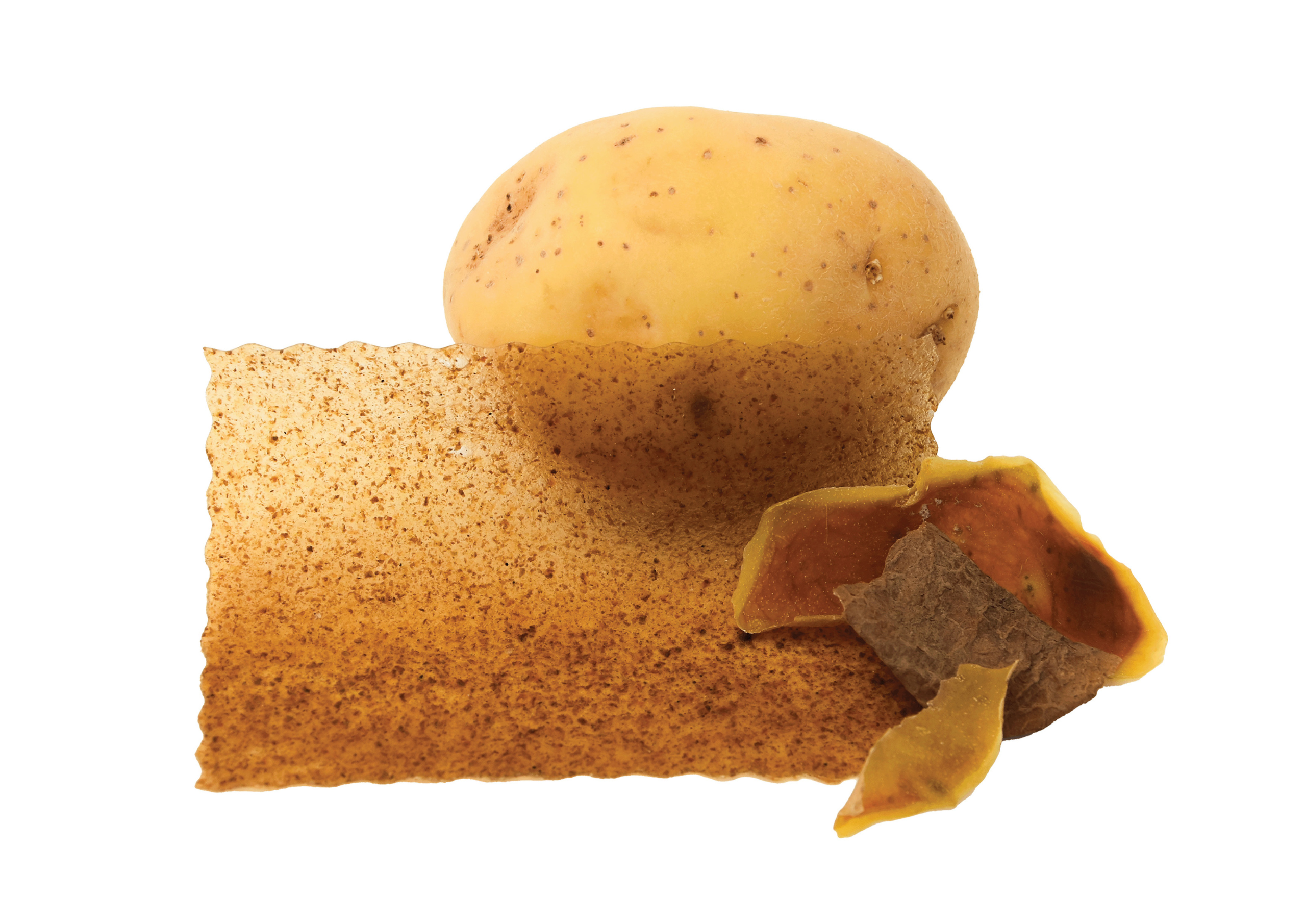
POMTER

The Pomter project transforms discarded potato peels into sustainable biopolymer packaging, combining innovation, design, and circular economy for eco-friendly solutions.

Define the problem/need you are solving or addressing with your project. How does it address the Open Call criteria, such as environmental impact, social engagement, circularity, user experience, resource efficiency, and community-driven solutions?

Pomter addresses the environmental issue of excessive plastic waste by creating biopolymer packaging from discarded potato peels. This solution promotes circularity by turning organic waste into a sustainable material, reducing landfill waste. It contributes to resource efficiency, using waste that would otherwise be discarded, and offers an eco-friendly alternative to conventional plastic packaging. Additionally, the project enhances user experience by providing a functional, safe, and biodegradable packaging solution. Through this innovative approach, Pomter demonstrates the potential of design to drive sustainable change, offering a scalable solution that aligns with the global shift towards more sustainable production and consumption practices.

Please describe your project, reflecting on the concept, inspiration, materials, technical aspects, methods and process(es).

Pomter addresses the environmental issue of excessive plastic waste by creating biopolymer packaging from discarded potato peels. This solution promotes circularity by turning organic waste into a sustainable material, reducing landfill waste. It contributes to resource efficiency, using waste that would otherwise be discarded, and offers an eco-friendly alternative to conventional plastic packaging. Additionally, the project enhances user experience by providing a functional, safe, and biodegradable packaging solution. Through this innovative approach, Pomter demonstrates the potential of design to drive sustainable change, offering a scalable solution that aligns with the global shift towards more sustainable production and consumption practices.

What do you think makes your project innovative compared to the existing efforts and ideas in the field it addresses?

The concept offers a biodegradable packaging solution made from waste materials, such as potato peels, orange skins, and barley husks. These materials are widely available through the food industry or can be sourced directly from households, making it a versatile and sustainable option. The design focuses on circularity, as the packaging is fully biodegradable, minimizing waste. Unlike conventional plastic packaging, it provides an eco-friendly alternative, reducing environmental impact. The simplicity of the ingredients allows for scalability, meaning it can be produced by large companies or even individuals at home. Compared to existing solutions, this approach stands out for its use of readily available, low-cost, and biodegradable materials. As an innovative alternative to plastic, it contributes to reducing waste while promoting sustainable practices.

Does it impact or reflect young people need(s) and how?

The project aligns with the values and needs of young people today, who are increasingly aware of environmental issues and seek sustainable solutions. As the next generation of consumers, young people are driving the demand for eco-friendly alternatives, particularly in packaging. This biodegradable solution, made from waste materials, speaks to their desire for products that reduce plastic waste and contribute to a circular economy. The simplicity of the design also encourages a hands-on approach, enabling individuals, even in their own households, to participate in sustainable practices. Furthermore, the concept resonates with the growing trend of mindful consumption and personal responsibility, empowering young people to make a positive impact on the environment.

regalsystem

A solid wood shelving system that could hardly be simpler in its construction and
production and yet, as an architectural sculpture, not only provides storage space, but also structures the space itself.

Define the problem/need you are solving or addressing with your project. How does it address the Open Call criteria, such as environmental impact, social engagement, circularity, user experience, resource efficiency, and community-driven solutions?

Dealing with the question of storage space and room division is probably not one of the biggest problems of our time. But it is precisely on a small scale that we can develop the necessary profound respect for the materials, experiment with suitable production techniques and thus address and discuss fundamental questions. My design is made from a renewable raw material and does not require any composite materials, even the individual components are neither glued nor screwed together, but are simply clamped. The shelf is made only from wood and is manufactured in a way that promises a long service life, as the durability of an object must be the basic premise for sustainability. This idea is also continued in the modularity of the design: needs change and it can only be an advantage if the objects that surround us are able to cope with these changes.

Please describe your project, reflecting on the concept, inspiration, materials, technical aspects, methods and process(es).

My design is developed in solid wood and consists of only three different parts. As fasteners are not required, the shelving system can be assembled and disassembled without tools. Two half-round rods, tapered at both ends, meet in holes in a shelving board. One rod is inserted from above, the second from below. As soon as the rods together reach the diameter of the hole, they lock together with the shelf. The interplay between the short and long rods of the same shape results in a wide range of installation options. Stable and accessible from all sides, the shelf can move freely away from the wall and create new spaces.

What do you think makes your project innovative compared to the existing efforts and ideas in the field it addresses?

My design practice is based on going back and forth within my craft as I explore different approaches to the material to gain new perspectives on how the contemporary can be rooted in tradition. It is this new look at tradition that can offer the potential for innovation. A traditional technique in woodturning is the “paper joint”, on which my design is based. After turning, the workpiece can be split exactly in half lengthwise along a glued-in layer of paper. The result is a construction reduced to the essentials, which nevertheless possesses an independent and unique aesthetic. This technique also minimizes waste during the production of the half-round rods. A process that can be scaled up for serial production and is still geared towards small scale manufacturing.

Does it impact or reflect young people need(s) and how?

Objects to which an emotional bond is formed are enhanced, used more consciously and subsequently experience adequate handling, care and maintenance. It is therefore worthwhile working on how a substantial relationship between users and products, can be fostered as early as the design process. The lives of young people in particular are in a state of flux. Flexible and durable pieces of furniture are the right companions. My design is based on the idea of producing tangible objects of experience. Transparency is therefore of crucial importance: as a user, I have to understand how I can participate. The decisive factor here is that the possibility of involving the user in the completion of an object must be coherent from the design, part of the use, as it were, and must not be justified by cost minimization. Transparency favors interactivity, interactivity holds the potential of listening to the things.

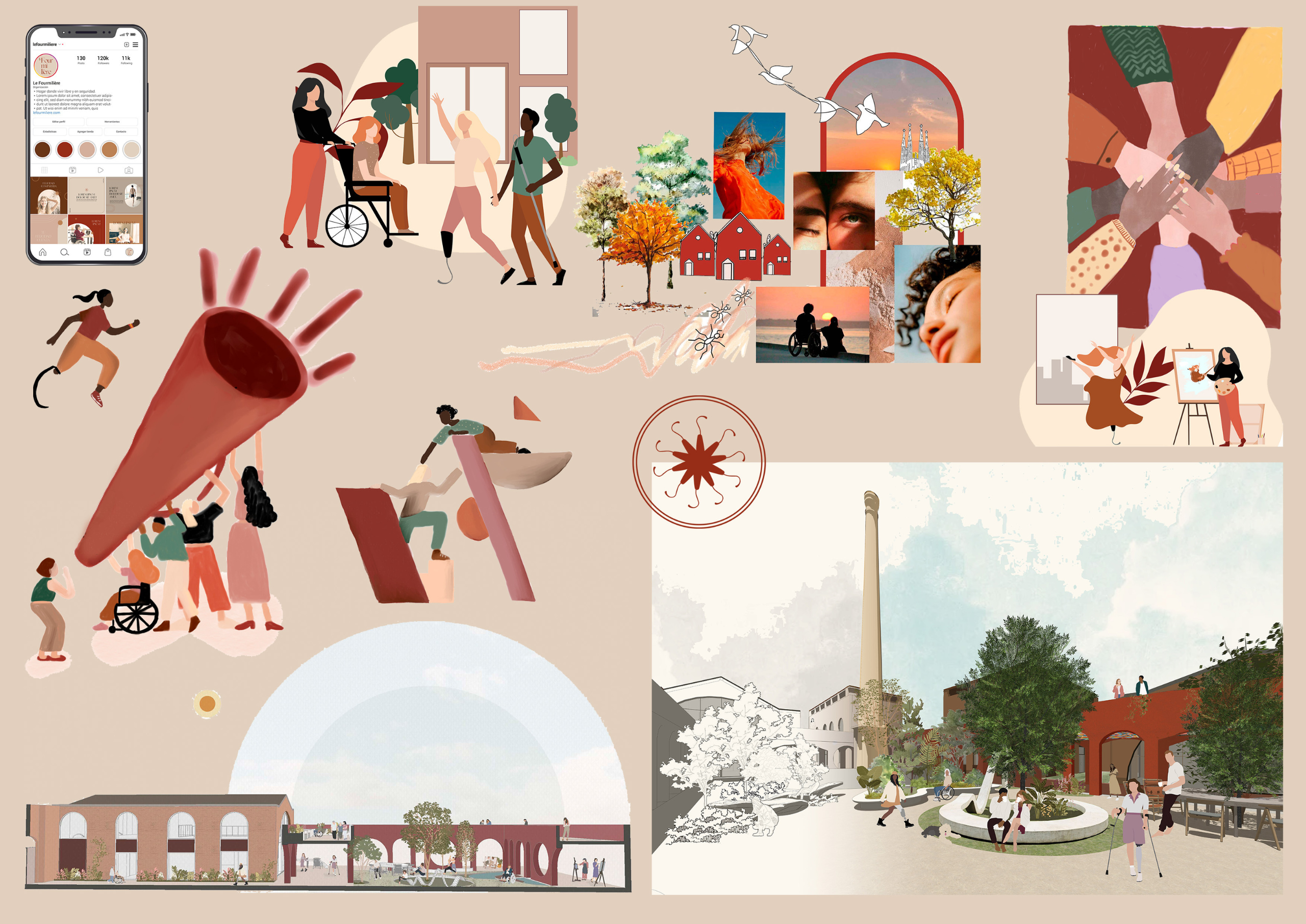
La Fourmilière. Cohousing para jóvenes con diversidad funcional.

Cohousing for young people with functional diversity — a barrier-free space that promotes overall well-being, a proactive and autonomous life within a community. An accessible space, open to the neighborhood, designed with principles of neuroarchitecture, health, and sustainability in mind.

Define the problem/need you are solving or addressing with your project. How does it address the Open Call criteria, such as environmental impact, social engagement, circularity, user experience, resource efficiency, and community-driven solutions?

The origin of this project lies with young people with functional diversity. We are young individuals who often spend long periods in hospital environments, face loneliness, feel confined, and constantly battle numerous barriers that make our daily lives frustrating and exhausting. Hundreds of young people from different registered pathology groups, as well as healthcare professionals, were interviewed and surveyed to gain a deep understanding of their needs. The project incorporates principles of neuroarchitecture to design a multisensory space that fosters a sense of belonging and community, while promoting social and urban integration. Art is also used as a tool for health and emotional well-being. This project proves that there is an alternative model of residential living for these young people. Interior design has the power to care for individuals, influence their health, boost proactivity, support autonomy, and enhance emotional well-being — all while being mindful of the environment.

Please describe your project, reflecting on the concept, inspiration, materials, technical aspects, methods and process(es).

This project is thoroughly developed across more than 500 pages. It covers everything from the branding and visual identity of the community to the construction details of accessible furniture. For example, the “camouflage beds” are hospital beds designed to look like contemporary sofas, allowing young people to socialise while staying in their anti-pain (antiálgica) position — one that does not increase their discomfort. Accessibility is approached at a micro scale, offering multiple possibilities to accommodate diverse bodies. It is subtle, inclusive, and embedded into the design without being intrusive.

The project is located in a former factory in Barcelona. The complex consists of several interconnected buildings, arranged around a multisensory garden at its centre. Materials used are of natural origin, in an earthy colour palette inspired by anthills. The entire project is developed following principles of sustainability and energy efficiency. It includes thermal and photovoltaic solar panels, aerothermal systems for climate control, and rainwater harvesting systems.

What do you think makes your project innovative compared to the existing efforts and ideas in the field it addresses?

This project stems from a deeply personal place of attentive listening. It has brought hope and excitement to many young people living in vulnerability and loneliness. Through meticulous work, I wanted to prove — down to the last detail — that a different residential model for young people like us is not only possible, but necessary. We are often forgotten, seen only through the lens of dependency and decline. But we have a voice. We are still young, even if we are ill, and we do not want to live in the existing residential spaces — because they were neither created by us nor for us. The lack of truly accessible housing is a serious issue in our society. It hinders our independence and perpetuates exclusion. Every spatial decision in this project is backed by deep research to ensure that it genuinely cares for the person — physically, emotionally, cognitively, and socially. Nature and art are central sources of well-being in this space. It will also serve as a platform — a loudspeaker — and a space for cultural activities in the city, because we have a lot to say.

Does it impact or reflect young people need(s) and how?

Yes — that’s the goal: to give visibility to the reality of many young people who often have no voice. La Fourmilière is a project that, when seen, moves young people with different conditions — they feel seen, and they dream of one day being able to live there. It was designed through the active listening of hundreds of young people, interviewed and surveyed in hospitals, rehabilitation centres, their homes, or residential facilities. We need to show that another way of living is possible — a space that truly cares for us, that responds to our needs, and supports our autonomy and well-being. As Alvar Aalto said, “When you design for the most vulnerable, you are designing for everyone.” The image of the anthill (La Fourmilière) captures this spirit beautifully: ants may seem fragile, but they are incredibly strong and masters of cooperation and teamwork. This cooperative housing model would allow us to share life, experiences — and also the costs of care — together.

Next Gen Design 2025 Competition: Kick-off Meeting Brings Together All 50 Winners

The Next Gen Design 2025 journey has officially begun! Following the announcement of 50 winning projects under the theme “Redesign Tomorrow, Today”, all selected creatives came together for the very first time during an inspiring Welcome & Orientation Meeting.

It was a moment of excitement and connection, as the winners finally saw each other and their creative ideas for the first time! Each project offered a glimpse into the future of sustainable, inclusive, and impactful design, setting the tone for the upcoming residencies hosted by leading European design festivals and weeks: designaustria at Vienna Design Week, WDCD in Amsterdam, Skopje Design Week, Mikser Festival in Belgrade, and Barcelona Design Week.

The meeting also covered key responsibilities and next steps, setting the foundation for the collaborative and transformative residency experience.

As part of the next steps, the Mikser Festival will kick off the first preparatory residency meeting on 17th of April, bringing together the ten creatives selected to participate in the Belgrade residency programe. The remaining design festivals/weeks will soon follow, launching their meetings in the same format.

Stay tuned as we follow these 50 changemakers on their mission to redesign tomorrow — today!

Missed the winners’ announcement?

Click here to see the full list of selected projects.

FIX

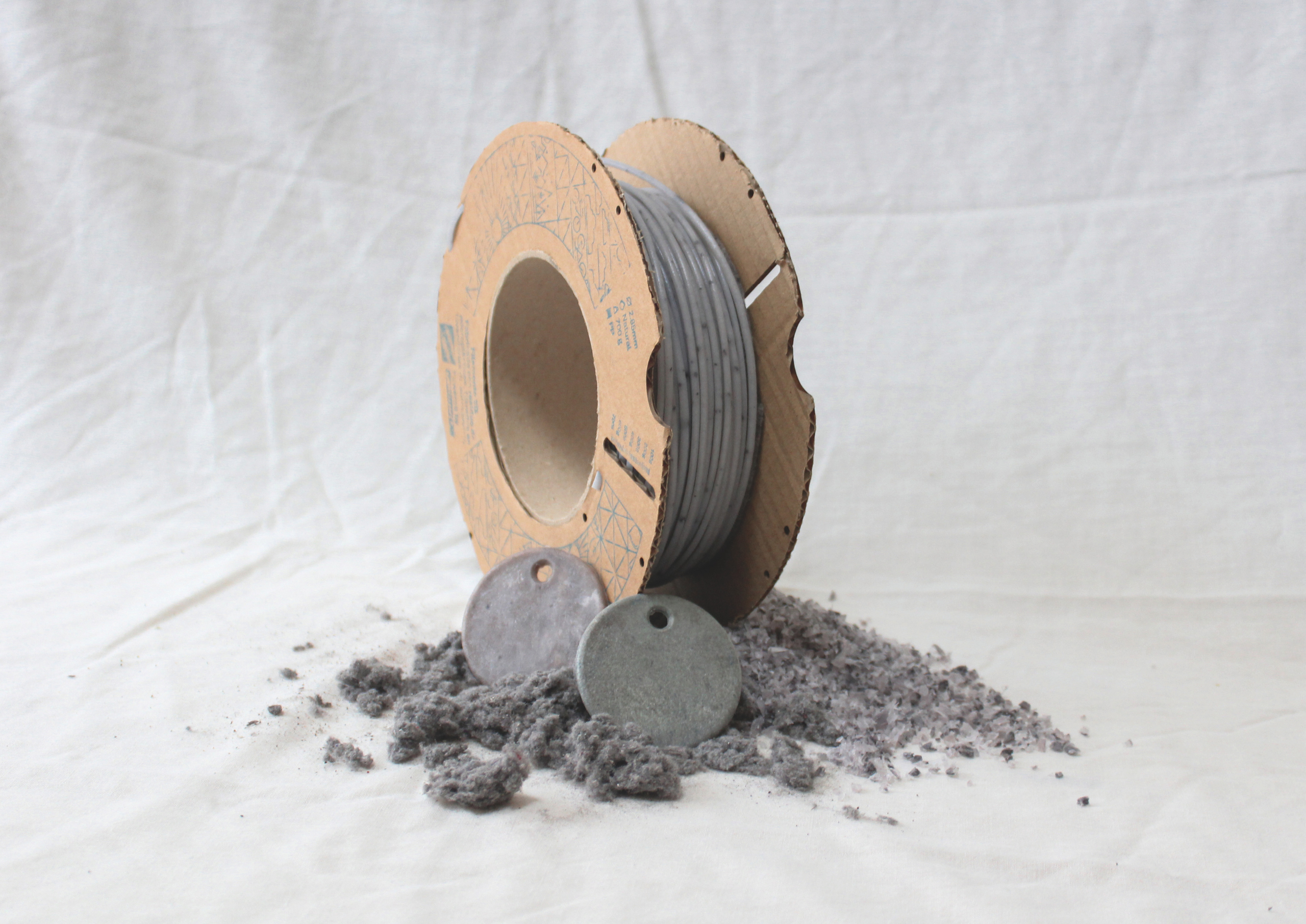
FIX collects and revalues washing machine waste containing microplastics, transforming it into a new material to reduce environmental impact and prevent microplastics from being released into oceans through the washing of synthetic textiles.

Define the problem/need you are solving or addressing with your project. How does it address the Open Call criteria, such as environmental impact, social engagement, circularity, user experience, resource efficiency, and community-driven solutions?

Microplastics are small synthetic particles (less than 5 mm) released into marine environments through washing synthetic garments, posing risks to both aquatic ecosystems and human health. FIX addresses this issue by collecting washing machine waste that contains microplastics and revaluing it into a new composite material available in formats like pellets or 3D printing filament. This process prevents microplastics from entering the environment and incorporates them into a circular economy. Moreover, FIX raises awareness about microplastic pollution through its aesthetically designed material made from waste. The project optimizes resource efficiency by repurposing materials and tailors its solutions to user needs, providing an innovative, industry-adaptable product while offering eco-friendly packaging for the 3D filament. The design reduces material waste, enhances the user experience, and supports sustainability goals.

Please describe your project, reflecting on the concept, inspiration, materials, technical aspects, methods and process(es).

FIX aims to mitigate microplastic pollution by upcycling washing machine waste into a new composite material. This material comprises encapsulated washing machine waste (3% by weight) containing microplastics, mixed with 97% recyclable polypropylene plastic. Through industrial extrusion, microplastic particles are agglomerated, enhancing the flexural properties of the polypropylene while integrating them into the circular economy. The material is offered in both pellet form and as 3D printing filament, making it adaptable to current industrial processes and enabling the creation of new products while raising awareness about microplastic pollution. FIX also features eco-friendly packaging for the filament, crafted from a single monomaterial piece of recycled corrugated cardboard, minimizing material use while ensuring protection and transport efficiency. This approach not only prevents pollution but also creates new value from waste.

What do you think makes your project innovative compared to the existing efforts and ideas in the field it addresses?

FIX differentiates itself by capturing waste from washing machines, including microplastics, and upcycling it into a usable material. While many initiatives focus solely on capturing microplastics, FIX advances by addressing the post-collection phase to ensure that waste is transformed into a valuable resource rather than returning to the environment. The project introduces a scalable solution that embodies circular economy principles. Additionally, FIX presents a sustainable alternative to traditional 3D filament packaging and spools, often made from excessive non-recyclable materials. By employing recycled corrugated cardboard and reducing material waste, FIX optimizes resource efficiency and usability, providing an eco-friendly, practical solution that aligns with sustainability goals.

Does it impact or reflect young people need(s) and how?

FIX resonates with the increasing environmental awareness among young people who actively seek sustainable solutions and innovative ways to combat pollution. As a university research project, it demonstrates that microplastic waste can be captured and revalued, inspiring young innovators to create circular economy solutions. By showcasing how waste can transform into valuable resources, FIX promotes a shift toward sustainable thinking. Furthermore, the project helps reduce microplastic emissions, protecting future generations from their harmful effects and promoting overall human and environmental health. FIX reflects the desire of young people to take action and illustrates how academic and design solutions can contribute to a more sustainable future.

Fermentors

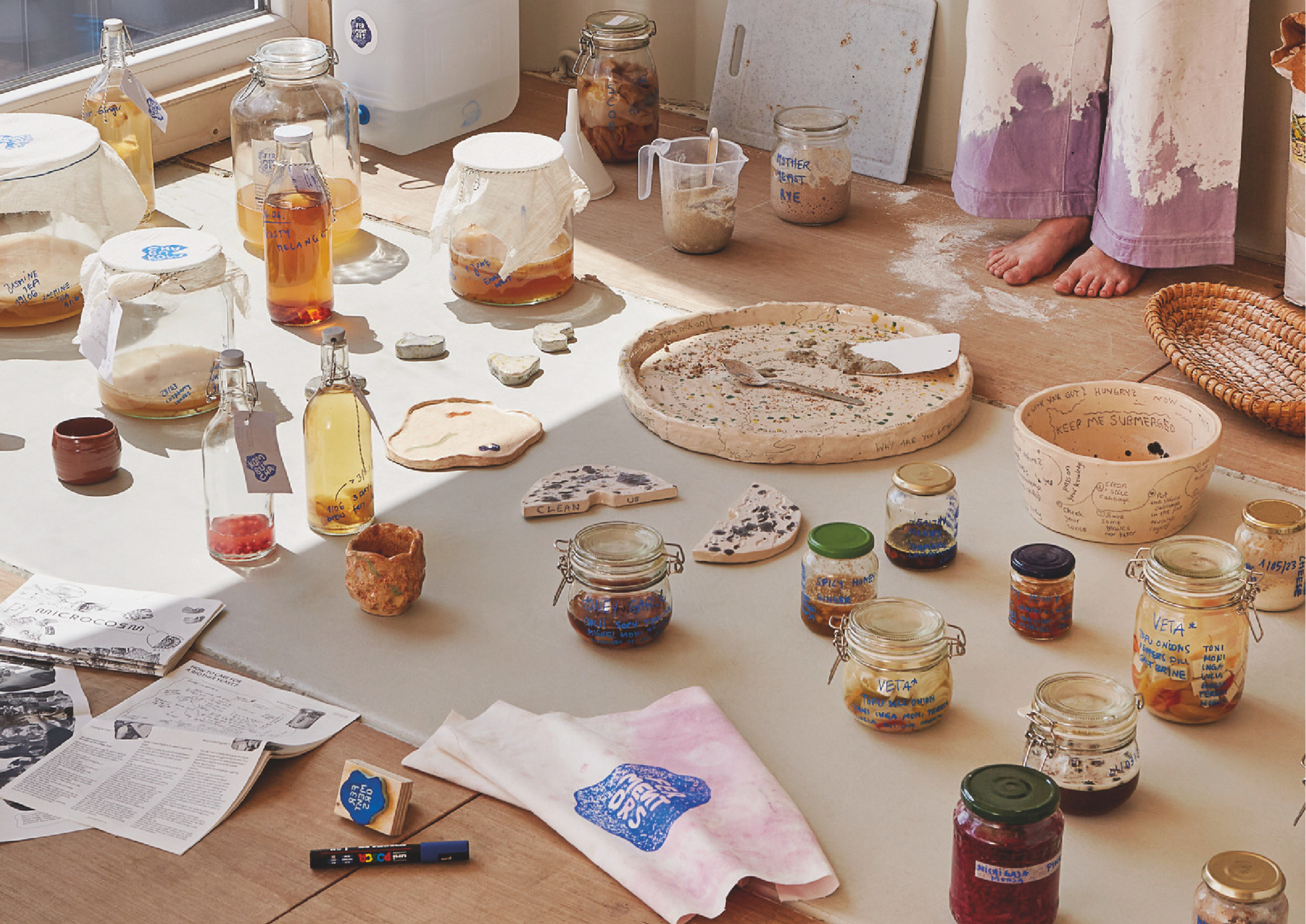
The Fermentors is an ecofeminist movement that reactivates ancestral knowledge through the body, restoring human-microbial bonds, and fermenting a future of collective care, resilience, and interconnection.

Define the problem/need you are solving or addressing with your project. How does it address the Open Call criteria, such as environmental impact, social engagement, circularity, user experience, resource efficiency, and community-driven solutions?

Fermentors tackle the growing disconnect between people, food, and community amid an environmental crisis, resource scarcity, and urban loneliness. In a fast-paced digital world, fermentation offers an offline, hands-on, and inclusive practice that fosters deep engagement with living materials. Our collective workshops, performative dinners, and storytelling practices—such as podcasts and zine-making—cultivate knowledge-sharing, intergenerational exchange, and community resilience, countering isolation through shared sensory experiences. By making fermentation an accessible, interactive community experience, Fermentors empower younger generations to adopt sustainable, localized food practices and reclaim food sovereignty. As a regenerative, low-energy practice, fermentation reduces food waste, promotes biodiversity, and minimizes reliance on industrial food systems. By collaborating with microbial cultures, the project highlights symbiotic relationships essential for ecological balance and revives fermentation as both a cultural and material practice that strengthens social bonds and fosters sustainable living.

Please describe your project, reflecting on the concept, inspiration, materials, technical aspects, methods and process(es).

Fermentors, a growing network of microbial and human bodies, cultivates relationships through the practice of fermentation. Rooted in the communal ritual of fermenting Sauerkraut in the Black Forest, the movement emphasizes reactivating and preserving local material practices. Inspired by fermentation expert Sandor Ellix Katz, this project encourages deeper connections between humans and microorganisms through direct experimentation. By sharing knowledge about fermentation in embodied ways, Fermentors challenge human-centered views, highlighting the agency of microbes and the non-extractive, symbiotic relationships they sustain. Incorporating local wild cultures and ancestral techniques within participatory workshops and dinners, Fermentors create offline spaces for intergenerational exchange and community resilience. Aligning with Food Design Activism, as proposed by Francesca Zampollo, it contests unjust power structures in food systems. Operating at the intersection of food science, design, and activism, Fermentors employs intuitive, low-energy methods to envision regenerative alternatives to industrialized food systems, restoring microbial and human ecologies.

What do you think makes your project innovative compared to the existing efforts and ideas in the field it addresses?

Fermentors’ innovative approach merges traditional fermentation practices with contemporary community-building and ecological activism through a feminist perspective. While many projects focus on sustainability or food systems, Fermentors emphasizes the embodied experience of fermentation as a tool for social engagement and radical care, promoting feminist values of mutual support, collaboration, and interdependence. This project challenges the industrialized food model by fostering interspecies relationships between humans and microbes, underscoring their shared role in nurturing resilience, biodiversity, and care. By cultivating a network of human and microbial bodies, Fermentors shifts the focus from individual consumption to collective practices. It actively integrates circular methods, engaging diverse communities through accessible workshops, performative dinners, and a podcast. Significantly, the project’s goal is to bridge ancestral knowledge and contemporary participatory design practices, envisioning future food systems as interconnected, sustainable ecosystems rooted in feminist principles of equality and care.

Does it impact or reflect young people need(s) and how?

Fermentors addresses young people’s needs by providing spaces for creative expression, hands-on learning, and community engagement, all increasingly vital in today’s fast-paced, digital world. Many young individuals experience feelings of isolation, disconnection from nature, and a lack of traditional knowledge, particularly in urban settings. Engaging with fermentation—rooted in slow, embodied practices—empowers young participants to reconnect with the tactile and sensory aspects of food, their environment, and each other. The project encourages them to actively participate in sustainable, localized food practices, nurturing a deeper understanding of ecology, food sovereignty, and the importance of cultural heritage. By creating participatory spaces for learning and social exchange, young people can build community and feel empowered to take collective action against the industrialization of food systems, fostering a sense of agency while cultivating lasting connections within their communities.

The Green Book of Plovdiv 

A playful, illustrated book of 52 weekly eco-challenges that reconnects citizens with their city and nature, inspiring a greener, more sustainable urban lifestyle through creativity, curiosity, and community action.

Define the problem/need you are solving or addressing with your project. How does it address the Open Call criteria, such as environmental impact, social engagement, circularity, user experience, resource efficiency, and community-driven solutions?

Urban life can alienate citizens from both their natural surroundings and from simple, meaningful actions that support sustainability. The Green Book of Plovdiv responds by blending storytelling and gamified learning into a joyful exploration of eco-living. Through 52 weekly challenges—from walking shelter dogs to identifying trees from your window or walking barefoot in the grass—the book offers an inclusive, low-barrier way to inspire behavioral change. It promotes circularity, low-impact habits, and strong community connections through collaborative actions. The project’s design, tone, and content are geared to be playful yet impactful, encouraging engagement from families, individuals, educators, and companies with ESG goals. By creating shared, small-scale actions embedded in the local context, the project fosters collective ecological literacy and community empowerment. It aligns with the competition’s focus on awareness, outreach, and educational design that inspires long-term change and regenerative thinking. 

Please describe your project, reflecting on the concept, inspiration, materials, technical aspects, methods and process(es).

The Green Book of Plovdiv is a creative toolkit for environmental awareness rooted in place, emotion, and action. Designed as a pocket book publication, it offers 52 illustrated challenges—one for each week of the year—that gently nudge citizens to explore nature in the city, reduce their footprint, and practice mindful living. Inspired by Plovdiv’s layered landscape and slow city vibe, each challenge is crafted as a micro-story, such as decoding a tree’s life through its rings or giving a flower to your neighborhood florist. All text is handwritten, and the visuals are fully illustrated in-house by Studio PUNKT (www.punkt.studio), creating a tactile, personal, and collectible object. It’s printed locally using eco-conscious materials, with attention to minimizing waste. The process included co-creation with local museums, educators, and environmentalists, and its modular structure allows for replication in other cities. It’s equal parts game, guidebook, and movement. 

What do you think makes your project innovative compared to the existing efforts and ideas in the field it addresses?

The Green Book of Plovdiv breaks new ground by reframing environmental education as an emotional, playful, and creative experience rooted in the rhythms of everyday life. Unlike many awareness campaigns that rely on data or didactic messaging, this project uses visual storytelling, tactility, and poetic micro-actions to engage people on a human level. Its innovation lies in format (a beautifully illustrated book-game), accessibility (easy-to-do activities for all ages), and tone (friendly, humorous, hopeful). It reimagines sustainability not as sacrifice but as joy, community, and connection to place. Challenges like identifying urban animals, crafting a wreath from wild herbs, or barefoot walking on grass create moments of delight and self-reflection. The project bridges education, activism, and design with a regenerative mindset—inviting people not just to learn, but to feel and live their way into greener futures. It’s both a product and a process of transformation.

Does it impact or reflect young people need(s) and how?

Definitely—The Green Book of Plovdiv speaks directly to young people’s desire for agency, connection, and hopeful futures. Designed to appeal across generations, it’s particularly powerful for youth as it provides hands-on, self-directed challenges that are simple, fun, and meaningful. Whether completed solo, with friends, family members, or in school settings, the book invites exploration, creativity, and mindfulness. It fosters eco-literacy through lived experience—identifying trees, exploring barefoot, crafting from leaves—while also encouraging social engagement, such as walking dogs from the local shelter or gifting a flower to a stranger. Its visual and game-like structure meets youth where they are: curious, overstimulated, and often looking for grounding and purpose. It’s also adaptable for classrooms, making it a flexible tool for educators. Most importantly, it centers a message of hope and belonging: that young people are already part of the solution, and their everyday actions matter.

Crafted Consumer Goods (CCG)

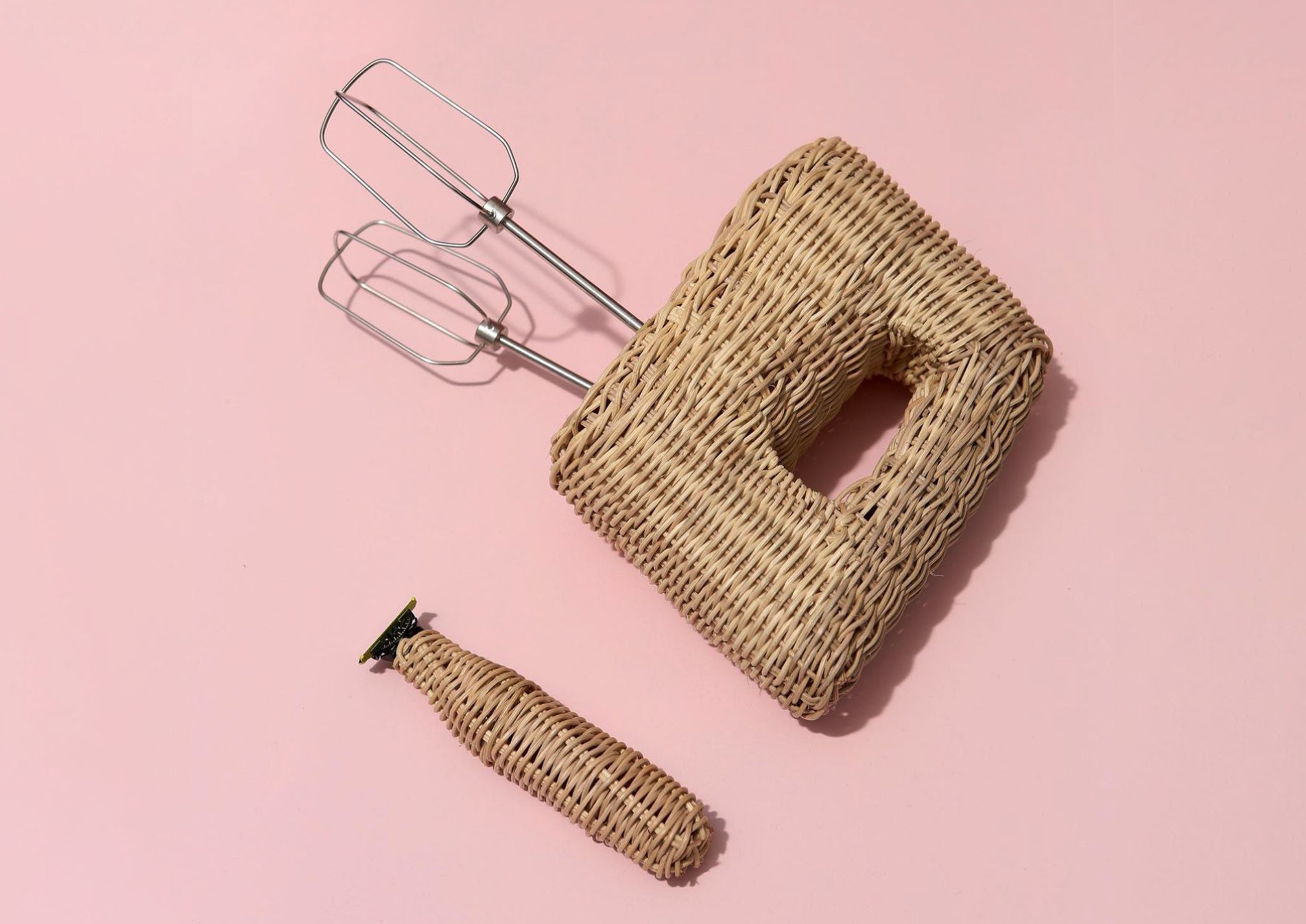
This ongoing project aims to push the boundary of craftsmanship and examine how much crafts can be involved in our daily 21st-century consumer products, other than baskets or decorative objects of the house.

Define the problem/need you are solving or addressing with your project. How does it address the Open Call criteria, such as environmental impact, social engagement, circularity, user experience, resource efficiency, and community-driven solutions?

The work reflects on the growing popularity of natural materials in the lifestyle industry, particularly in decorative products, driven by the increasing trend toward sustainability. While natural materials are often marketed as eco-friendly alternatives, their use can sometimes be superficial, raising questions about the true impact of sustainable design. This project began with personal experience, especially in the consumer products industry and uncovered an irony; despite advocating for sustainability, many brands still rely heavily on plastic and other non-biodegradable materials in mass production. This contradiction sparked a reimagining of everyday objects, exploring alternative manufacturing processes that merge functionality with meaningful storytelling. By introducing unexpected user experiences, the project encourages consumers to engage with products more consciously while reflecting on the efficiency of modern resource use. Ultimately, it seeks to challenge conventional perceptions of sustainability and inspire a more thoughtful approach to material choices in contemporary design.

Please describe your project, reflecting on the concept, inspiration, materials, technical aspects, methods and process(es).

The observation led to an exploration of combining craftsmanship with consumer electronics by using natural material, rattan and weaving techniques. The materials were chosen based on prior research into the manufacturing processes of a global consumer lifestyle product brand, which revealed that only essential product components are produced on-site, while less critical parts are outsourced from Southeast Asian countries due to lower costs. To highlight this issue, the project incorporates Southeast Asian craftsmanship and its cultural value. The long and intricate process of redesigning electronic goods to fit handcrafted exteriors, along with constant structural adjustments for weaving techniques, contrasts sharply with the rapid pace of modern manufacturing. Furthermore, the work challenges traditional views of craftsmanship by integrating it into functional, contemporary products. The consumer electronics used in this project are carefully sourced from second-hand shops and electronic markets, promoting a more sustainable approach to material reuse.

What do you think makes your project innovative compared to the existing efforts and ideas in the field it addresses?

This project is innovative in its unique integration of traditional craftsmanship with consumer electronics, a field typically dominated by industrial production and mass manufacturing. Unlike existing efforts that focus solely on sustainable materials, this project redefines product manufacturing by embedding handcrafted elements, such as rattan weaving, into modern electronic goods, slowing down the fast-consuming product lifestyle. It not only highlights the cultural and artisanal value of Southeast Asian craftsmanship but also questions the ethics of global production systems, where essential parts are localized while non-essential ones are outsourced to low-wage labor markets. By redesigning electronic products to incorporate handcrafted exteriors, the project challenges the conventional separation between craft and technology, offering a new perspective on sustainable design.

Does it impact or reflect young people need(s) and how?

This project directly impacts and reflects the needs of young people by redefining the value of local craftsmanship in a modern, technology-driven world. In an era where mass production dominates, many young designers and consumers seek more ethical, sustainable, and culturally rooted alternatives. Also, the project inspires younger generations to see craftsmanship not as outdated but as an innovative and viable approach to contemporary design. Moreover, it fosters positive social and economic change by creating new opportunities for artisans and encouraging young designers to engage with local skills and resources. This connection between traditional knowledge and modern technology empowers young creators to rethink production systems, promote sustainability, and drive local economies. Ultimately, the project offers a fresh perspective on how heritage and innovation can coexist, shaping a more responsible and culturally conscious future.