Solo

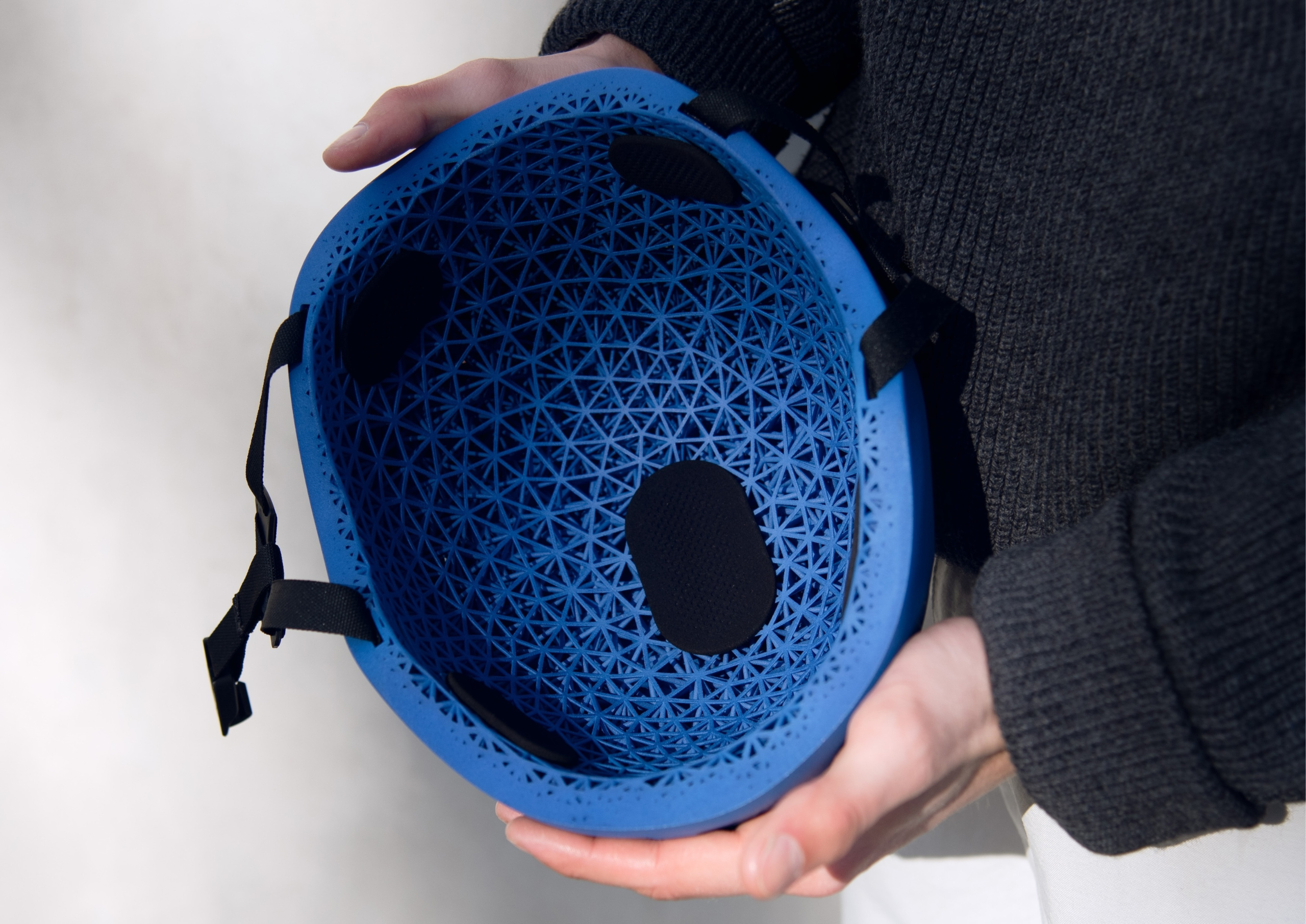
Solo is a user-centered, fully personalized bike helmet produced using additive SLS 3D printing and a parametric design approach.

Define the problem/need you are solving or addressing with your project. How does it address the Open Call criteria, such as environmental impact, social engagement, circularity, user experience, resource efficiency, and community-driven solutions?

Standard helmets are offered in sizes like S, M, and L, but head shapes vary significantly, resulting in poor fit and protection, leading to non-usage. Traditional helmets are made from polystyrene, the same material used in disposable packaging. The Production Process of Foam Helmet has seen little change for the past 30 years, yielding bulky designs that tend to cause overheating. Solo is a user-centered, fully personalized bike helmet crafted through additive SLS 3D printing and a parametric design approach. Based on a 3D scan and breathable lattice structure, it ensures optimal fit and safety. The app captures preferences like riding style and color, resulting in lattice structure that offers a balance of lightness and shock absorption. Made by Protiq from sustainable PA11, its a recyclable foam alternative. This process-oriented project enables personalized helmets that encourage wearing.

Please describe your project, reflecting on the concept, inspiration, materials, technical aspects, methods and process(es).

The process begins with a 3D scan of the user’s head utilizing a scanning cap. The scan can be carried out using a mobile phone, saving you a trip to a specialist shop. This scan, along with additional preferences such as riding style and color choice, is inputted into the Solo app. The scan data undergoes cloud-based processing, enabling the creation of a personalized helmet design. Through field-driven ramps, material flow is precisely controlled, ensuring optimal structural integrity where needed most. 3D-Printing technology is then employed to fabricate the helmet in a single printing process, using Polyamide 11 derived from sustainable castor bean seeds. After printing, excess powder is recycled for future use, aligning with sustainability principles. The helmet’s components, including the mono-material PA11 shell, TPU pads, and replaceable straps, are modular for easy maintenance and end-of-life recycling.

What do you think makes your project innovative compared to the existing efforts and ideas in the field it addresses?

To find the optimal lattice-structure that is breathable, lightweight and impact resistant, many different iterations were generated, tested and evaluated. In order to test the lattice structures for their shock absorption, a special setup was developed, which is modelled after the requirements and test procedures of the industry standard DIN 1078 for bicycle helmets. The developed tetrahedral-lattice-structure offers the same level of safety as a conventional helmet while requiring less material. This provides an optimal balance between weight and shock absorption, resulting in a streamlined fit with improved ventilation and heat dissipation. Utilizing 3D-Printing, the Helmet is printed from castor seed-based PA11. PA11 offers a sustainable alternative to conventional foam, being 100% renewable, drought-resistant, and easily cultivated. This helmet design combines functionality, comfort and user-friendliness into a cohesive concept, encouraging helmet use and contrasting with conventional helmets made from expanded polystyrene, a non-renewable material used in disposable cookware and packaging.

Does it impact or reflect young people need(s) and how?

Solo, as a personalized bike helmet, represents a path towards how individually designed products could become commercially available in the future. It indicates a way to approach product consumption, advocating for sustainability by emphasizing longevity over frequent replacement. This process-oriented project enabled the development of personalized bike helmets that encourage people to wear them and therefore contribute to greater road safety.
NotAMouse

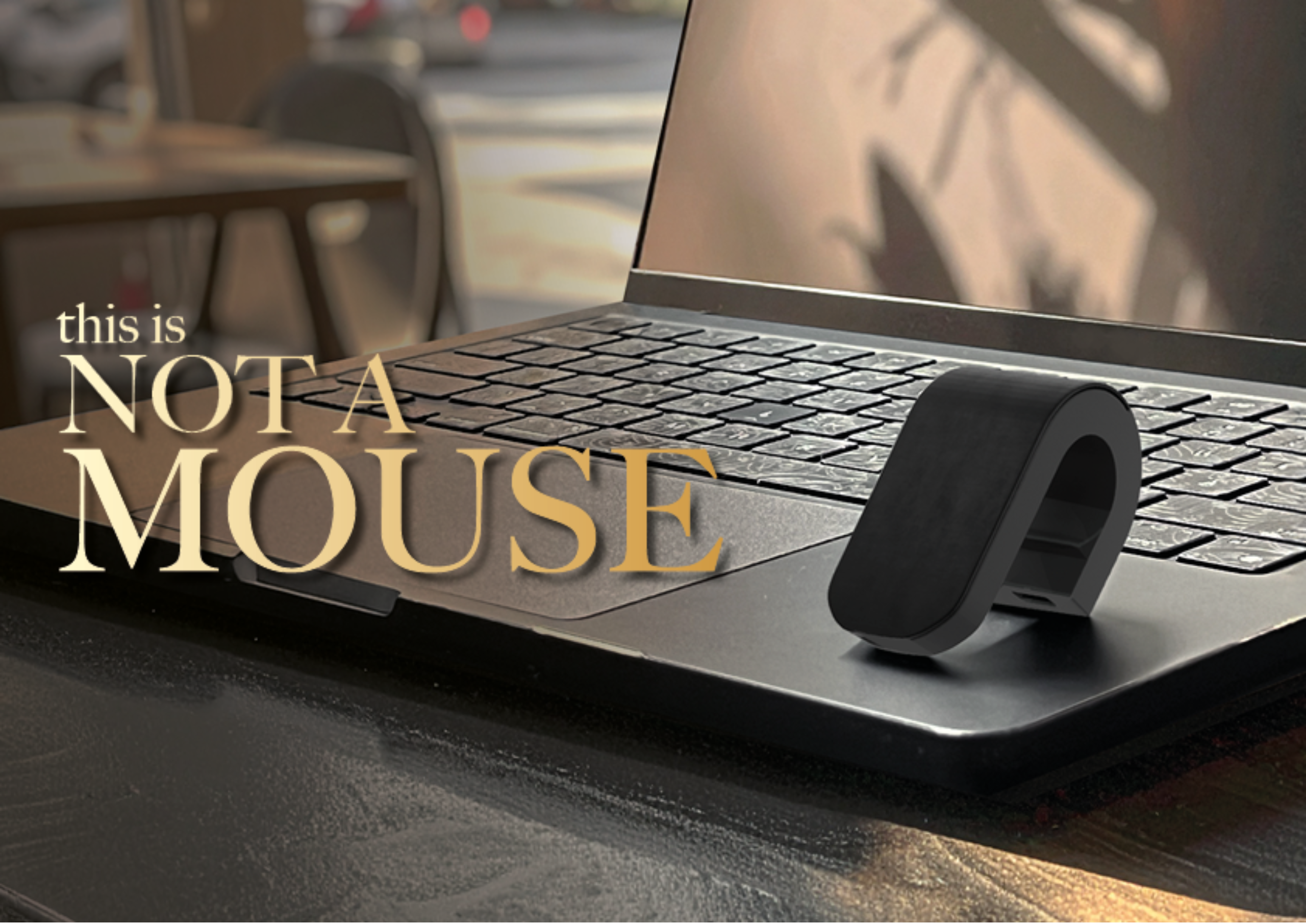
NotAMouse provides computer accessibility for those with inhibited mobility, and prevention of irreversible wrist strain damage for those at risk.

Define the problem/need you are solving or addressing with your project. How does it address the Open Call criteria, such as environmental impact, social engagement, circularity, user experience, resource efficiency, and community-driven solutions?

Millions struggle using their computer every day because of wrist strain, caused by a fundamental limitation of mice and touchpads. Their table-bound design forces a resting hand posture compressing the median nerve, causing damage over years of use. Those working at a computer for more than 4 hours a day expose themselves to a 30% risk of Repetitive-Strain-Injury (RSI) within 5 years, which can require physical therapy and even surgery in severe cases.

NotAMouse addresses this issue by freeing computer interaction from the table. It’s a wireless device that slides onto your finger, giving you full control of your computer from the palm of your hand, eliminating wrist strain. The 3D printed form-factor, made from recycled plastic, is 43% smaller than a mouse, making it environmentally friendly, and easy to transport (it clips on your laptop!). It also allows wheelchair users to use computers more comfortably, regardless of table height.

Please describe your project, reflecting on the concept, inspiration, materials, technical aspects, methods and process(es).

We were inspired talking to a father who had lost ability to work on a regular computer. Carrying his baby, combined with years of computer use irreversibly damaged his wrist, sending stinging pain in his entire arm whenever he uses a mouse. After trying many types of ergo mice and undergoing surgery, the only way he can use a computer without experiencing pain is an eye-tracker, priced at $2000 USD.

NotAMouse would allow them to control the computer free from the table, using a touch-surface, side buttons, dictation, and motion gestures in the palm of their hand. 33 prototypes and 52 user interviews brought us to a 3D printed form factor made of recycled plastic. It’s 43% smaller than a traditional mouse while keeping 100% of the functionality, making it perfect for people who working on the go from a coffee shop, an airplane or even an Uber.

What do you think makes your project innovative compared to the existing efforts and ideas in the field it addresses?

Ergonomic mice cause less wrist strain compared to traditional mice. However, they are inherently bound to a surface. Thus, many people with existing nerve damage are unable to use them pain-free without regularly taking medication or even undergoing surgery. Those not experiencing issues yet often ditch their mouse when working on the go, quoting cumbersome transport as the reason. Eye-trackers offer a working alternative, but cost multiple thousands, next to requiring users to build new habits to move the cursor. Surgery is an invasive procedure and poses inherent health risks.

NotAMouse let’s users control their computer free from the table, in a form factor that fits in your pocket and clips onto your laptop. The touch surface and side buttons provide a familiar interface that know from their phones, with dictation and motion gestures providing additional features for power users.

Does it impact or reflect young people need(s) and how?

Young professionals are increasingly going into digital roles, with the World Economic Forum estimating a 25% increase in global digital jobs by 2030. This trend exposes more people than ever to Repetitive Strain Injury (RSI) from computer work. NotAMouse can help millions avoid irreversible nerve damage from RSI, sparing them physical therapy, and in severe cases, surgery.

The portable form factor with familiar interface makes it easy to adopt and perfect for use on the go. Essential criteria in today’s fast-paced world where professionals work from more than one location. Innovating on an 81 year old form factor, NotAMouse brings computer interaction into the 21st century with accessibility, sustainability, and modern the work environment in mind.

ANNOUNCING THE WINNERS: NEXT GEN DESIGN 2025 “Redesign Tomorrow, Today”

Redesign starts now. It is bold. It is brilliant. It is bursting with ideas!

We are excited to announce the 52 winning projects of the NEXT GEN DESIGN 2025 competition! This year’s edition, themed “Redesign Tomorrow, Today,” received over 200 applications from 29 European countries, showcasing an incredible range of creativity, innovation, and vision from the next generation of changemakers.

Our heartfelt thank you to every single applicant who took the time to share their ideas. The quality and passion displayed in the submissions made this year’s selection process both exciting and incredibly challenging for our international jury.

After much consideration, 52 groundbreaking projects have been selected to represent the most inspiring, forward-thinking concepts redefining our collective future through sustainable, inclusive, and impactful design.

You can find the full list of selected creative solutions below.


2025 WINNING PROJECTS

URBAN MYCELIUM FARMS – Ala Talebian, Alonso Francisco Martinez Diaz (A2 Collective), Sweden

Trustto V – Alicia Manzano, Joan Mora, Lidia Hernández, Carla Vicente, Spain

Share-it! – Amnon Direktor, Belgium

Piss Soap – Arthur Guilleminot, The Netherlands

Adaptive Controller for Children with Multiple Disability – Balint Ligeti, Hungary

AMBER GRAIN EMBROIDERY – Barbara Rakovská, Czech Republic

Wool Matters – Beatriz Isca, Portugal

rewild farming – Benjamin Onno Dikmans, Bram de Vos, The Netherlands

ReLEAF – Borbála Kiszely, Angelique Tscherne (The Interns), Austria

Uitgelezen / Finished Reading – Carolien Weerstand, Netherlands

Bacterial Brickbats – Carolina De Lara, Sweden

Looop Can – Cheuk Laam Wong, Margaret Wu, UK

Kantamanto Social Club – Daan Sonnemans, Anabel Poh, The Netherlands

Debris Lore – Diana Galindo, UK

NATURE’S DUAL DELIGHT – Dora Vučemilović, Croatia

Tando – Elisa Schneider, Germany

Step by Step – Emily Klein, Austria

Tarnur – Multifunctional Set – Emina Murtezić, Bosnia and Herzegovina

HIPCARE – Eva Vera García, María Paula Rodríguez Garavito, Júlia Robledo Carrió, Arsenio Andrea Meomartino, María Songel Sanchis, Spain

Penapalne – Fangzhou Yin, Cheuk Laam Wong, Bob Sun, UK

Bias-Unbias – Federica Breedveld Bortolozzo, Italy

Startbahn+ “Ruhsack” – Florian Steidl, Austria

Remember the Future – Gerald Geier, Austria

Fabulous Fungi: Regenerative Colour for a Sustainable Future – Ilse Kremer, The Netherlands

Metal Origami – Íris Ribeiro, Portugal

The Flooding School for Amphibious Living – Jacqueline Yu, UK

Okara – Jan-Elias Kronberger, Austria

yarn – Janine Kerscher, Germany

KTR: Scalable Shelving System from Reused Cable Trays – Jasmin Bermadinger, Austria

Tera Mira – Jeanne Begon-Lours, Lucy Dain-Williams, UK

Trio – Joey Fulterer, Austria

Santa Carxofa – The Tradition of a Land Made into Beer – Justine Oriana Vargas Parra, Spain

Handrail Series – Kerstin Pfleger, Peter Paulhart (studio re.d), Austria

SONO – Konstantin Diehl, Germany

ReTurn – Lale Knapp, Nele Oetjens, Germany

JeanEase Slippers – Laura Übertsroider, Austria

BioStool – Lazar Avramovski, North Macedonia

POMTER – Biopolymer Packaging from Organic Waste – Leja Rebolj, Slovenia

regalsystem – Ludwig Bachmann, Austria

La Fourmilière. Cohousing for Youth with Functional Diversity – Maria Lledo, Spain

FIX – Maria Mei Bellsolà López, Mario Sanz Lameiro, Núria Fandos Arriero, Spain

Fermentors – Monja Simon, Germany

The Green Book of Plovdiv – Nadezhda Karidova, Mihaela Angelova, Pavel Pavlov, Sofia Petrova (punkt.studio), Bulgaria

Crafted Consumer Goods (CCG) – Nawon Koo, The Netherlands

Solo – Nils Sorger, Germany

NotAMouse – Nina Steiner, Quan Zheng, Austria

pHen – Nora Gulya, Szonja Somogyvári, Boldizsar Csongor Nagy, Hungary

Segons, the Pleasure of Eating – Núria Perea Domènech, Spain

Sea Glass – Paolina Kuhr, France

Roots Of Ogham – Robyn Brown-Burke, Ireland

Safetrays – Sara Cherry, Portugal

Reefine – Zhong-Wei Lin, UK

Congratulations to all the winners!

We cannot wait to share your ideas with the world and showcase how you are reshaping the future through creativity. Stay tuned for the upcoming steps!

pHen

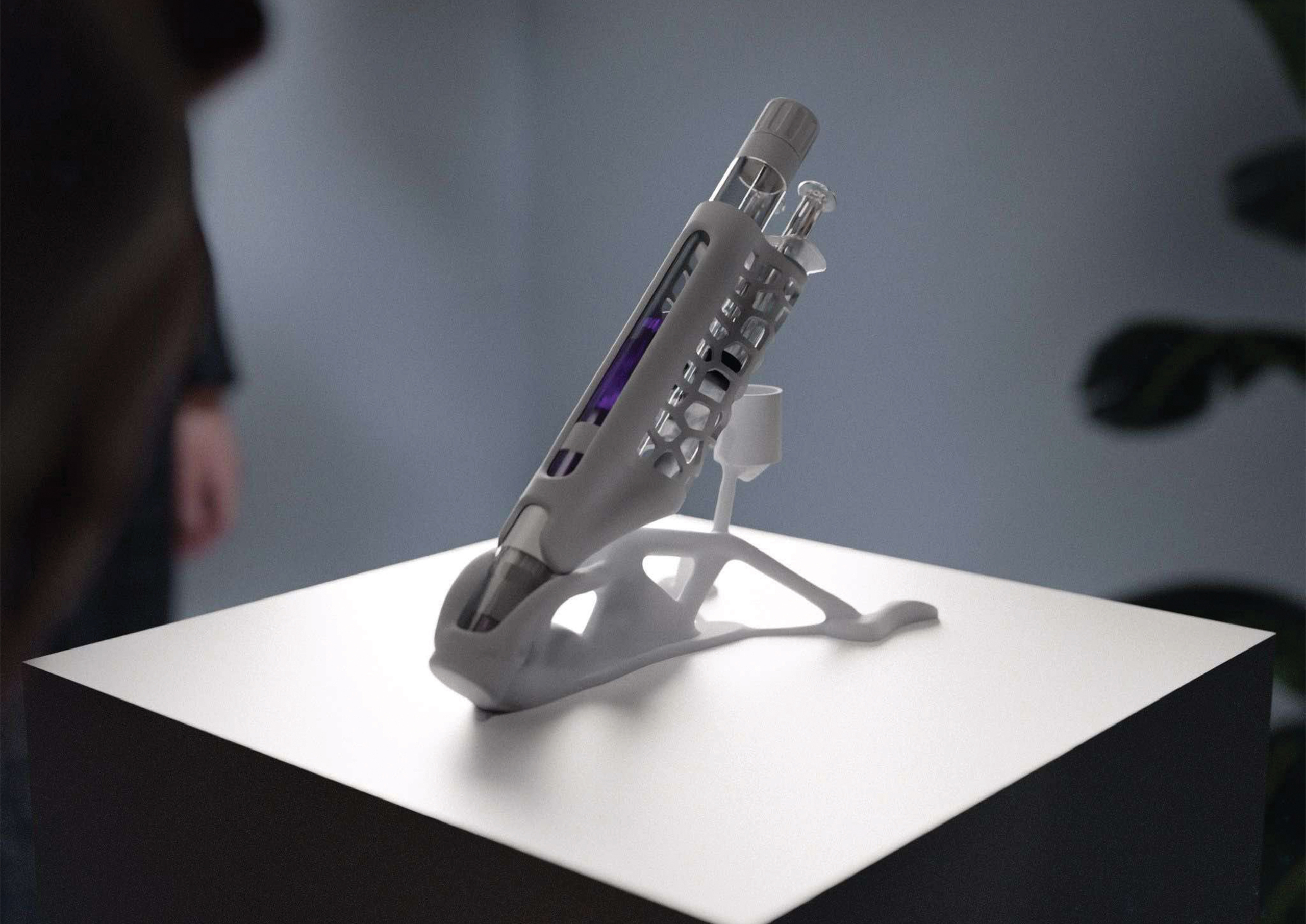
pHen is an open-source tool for artists, allowing users to create with a single pigment source while producing multiple colors using just one pen.

Define the problem/need you are solving or addressing with your project. How does it address the Open Call criteria, such as environmental impact, social engagement, circularity, user experience, resource efficiency, and community-driven solutions?

Our devotion to colors comes at a cost. Pens, an object integral to our lives from childhood, are mostly single-use and not designed for recycling. Alarmingly, 10 billion plastic pens are discarded every year, enough to fill 1,467 school buses. The primary component of pens is ink, which often contains heavy metals, volatile organic compounds, solvents, and other harmful chemicals. Improper disposal of these inks can severely damage the environment and contribute to behavioral abnormalities in people, including hyperactivity. On the other hand, artists have limited access to eco-friendly alternative tools, and when available, they are often expensive—hindering the widespread adoption of sustainable practices and methods or simply these tools often fail to reach a broader audience, because of the lack of interest in sustainability when it comes to writing tools or art supplies.

Please describe your project, reflecting on the concept, inspiration, materials, technical aspects, methods and process(es).

Our goal is to create a sustainable colorant alternative that is both fun and engaging, encouraging
people to use it even if they are not inherently interested in sustainable practices.
To achieve our goal, we explored the possibility of creating an ink that can change its color. We were
inspired by the multicolored pens from our childhood and discovered that certain pigments could
change color based on pH levels for example fruits and vegetables or color producing bacteria.
We have developed the pHen pen as a delivery tool for this ink. It consists of a refillable marker
connected to two syringes via a 3D-printed adapter, containing acidic and alkaline solutions. By
adjusting these solutions, users can change the ink’s color in real-time.

What do you think makes your project innovative compared to the existing efforts and ideas in the field it addresses?

Since biodesign and bioart is a relatively emerging field, not widely known, and because of its
connotations beyond art, concerning environmental decisions, policies and overall mentality, we are
both showcasing the potential of creative uses of natural pigments, and make the experience an
immersive and interactive educational opportunity for the users.
By creating a pen with natural dyes, which can change their colors inside the pen by the user, we
believe, that pHen offers an innovative solution, to the problems or our current word.

Does it impact or reflect young people need(s) and how?

To engage people across a wide range of ages and biochemical knowledge, we have designed
different levels for preparing ink, each varying in ingredients and methods.
Level 1 is for beginners, children, and young learners. We recommend making ink from natural
sources such as fruits or vegetables, like red cabbage.
Level 2 is intended for an older audience, such as art and design students with access to university
labs. At this level, certain bacteria can be used to alter color hues in response to pH changes. For
example, we have experimented with J. lividum, which shifts from light purple to nearly blackish
purple. Level 3 is designed for individuals with advanced scientific knowledge. Since bacterial color changes
are typically less pronounced than those of fruits and vegetables, research suggests that genetically
modifying bacteria could enhance their color-shifting properties to achieve similar effects.

Segons, the pleasure of eating 

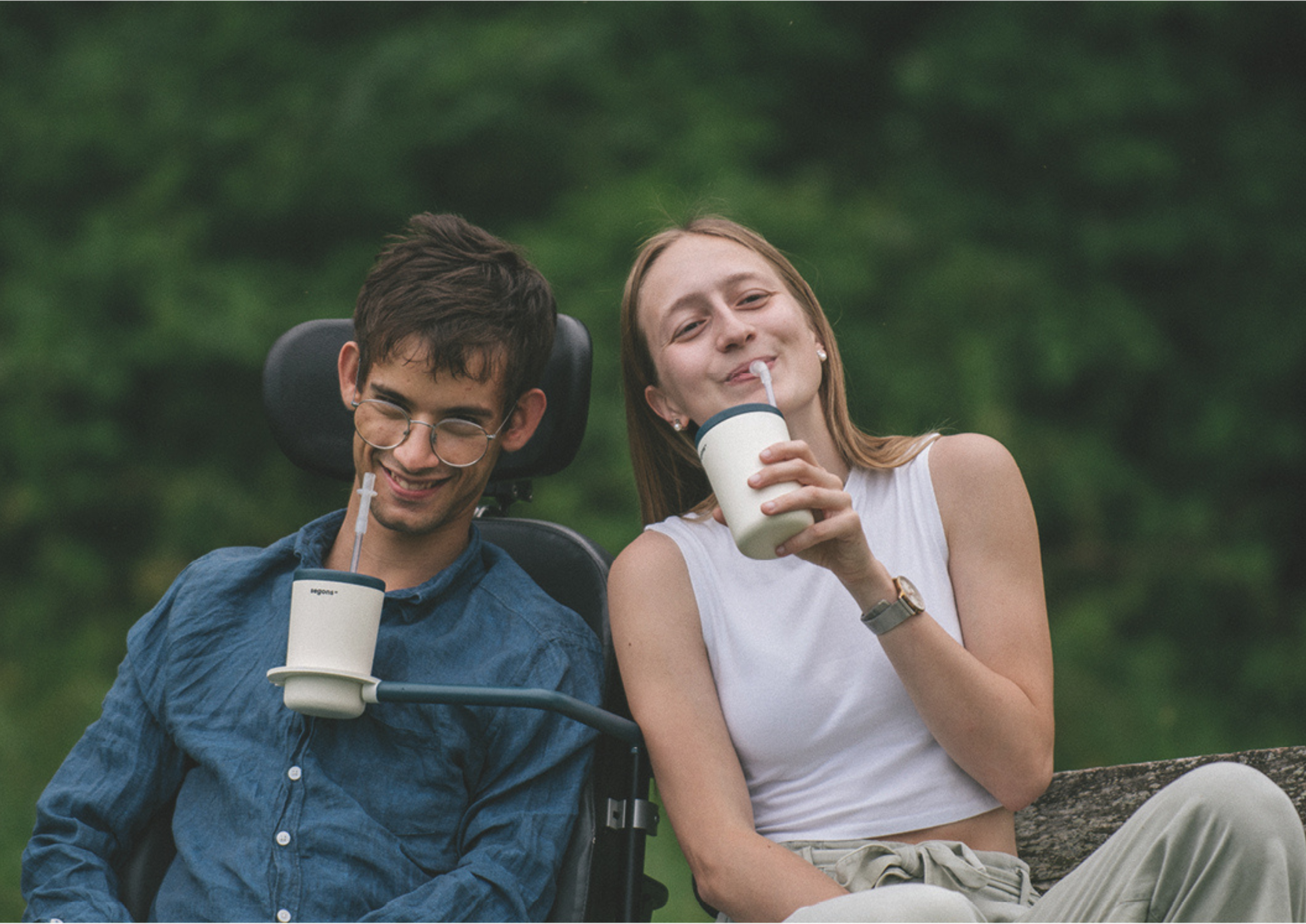
‘Segons’ is a collection of products enabling individuals with cerebral palsy to eat liquid and semi-liquid foods independently through suction, with thermochromatic ink indicating the temperature of the contents.

Define the problem/need you are solving or addressing with your project. How does it address the Open Call criteria, such as environmental impact, social engagement, circularity, user experience, resource efficiency, and community-driven solutions?

Named after my cousin Julià, who has cerebral palsy due to oxygen deprivation at birth, ‘Segons’ aims to provide enhanced autonomy in feeding for those with severe movement limitations. By engaging directly with Julià throughout the design process, the project prioritizes user experience to create a solution tailored to his specific needs while reflecting the challenges faced by many others in similar situations. The innovation lies in addressing a gap in adaptive feeding products, focusing on enabling individuals who lack controlled movement to eat liquid and semi-liquid foods independently, thus making a significant impact on their daily lives.

Please describe your project, reflecting on the concept, inspiration, materials, technical aspects, methods and process(es).

The journey of developing ‘Segons’ encompassed various phases, beginning with simple mock-ups made from household items to advanced prototyping and 3D printing of the final collection. My research also explored thermochromatic inks, creating a visual cue for users about the food’s temperature. Throughout the design process, Julià actively participated in testing each prototype, ensuring that the final product met his specific needs and enhanced usability for individuals with similarly severe disabilities. This collaborative method not only informed the design but also fostered a deeper understanding of the real-life challenges faced by users, resulting in a product that empowers autonomy while prioritizing safety and comfort.

What do you think makes your project innovative compared to the existing efforts and ideas in the field it addresses?

While several products exist to assist individuals with cerebral palsy in feeding, most are designed for those who retain some movement capability. In contrast, the Segons collection is specifically tailored for users who cannot perform any controlled movements, utilizing suction for self-feeding. This approach represents a significant advancement in the field, making independence accessible for users with profound disabilities. Additionally, the integration of a thermochromatic graphic system provides real-time feedback on food temperature, enhancing safety and user understanding of the eating process. By addressing the specific limitations of this demographic and offering a design that fosters autonomy, Segons sets itself apart from existing solutions, making it truly innovative in promoting independence and dignity for users.

Does it impact or reflect young people need(s) and how?

The Segons collection is designed for all ages, particularly emphasizing its role in empowering young individuals with severe motor disabilities. By providing them with the means to feed themselves, the collection fosters a sense of autonomy and independence, counteracting the limitations imposed by their conditions. This empowerment helps young users realize their capabilities, reinforcing their self-esteem and motivation to engage with their surroundings. As they gain the power to perform a fundamental activity like eating independently, they experience a boost in confidence, ultimately fostering resilience and a sense of normalcy in their lives.

Sea Glass 

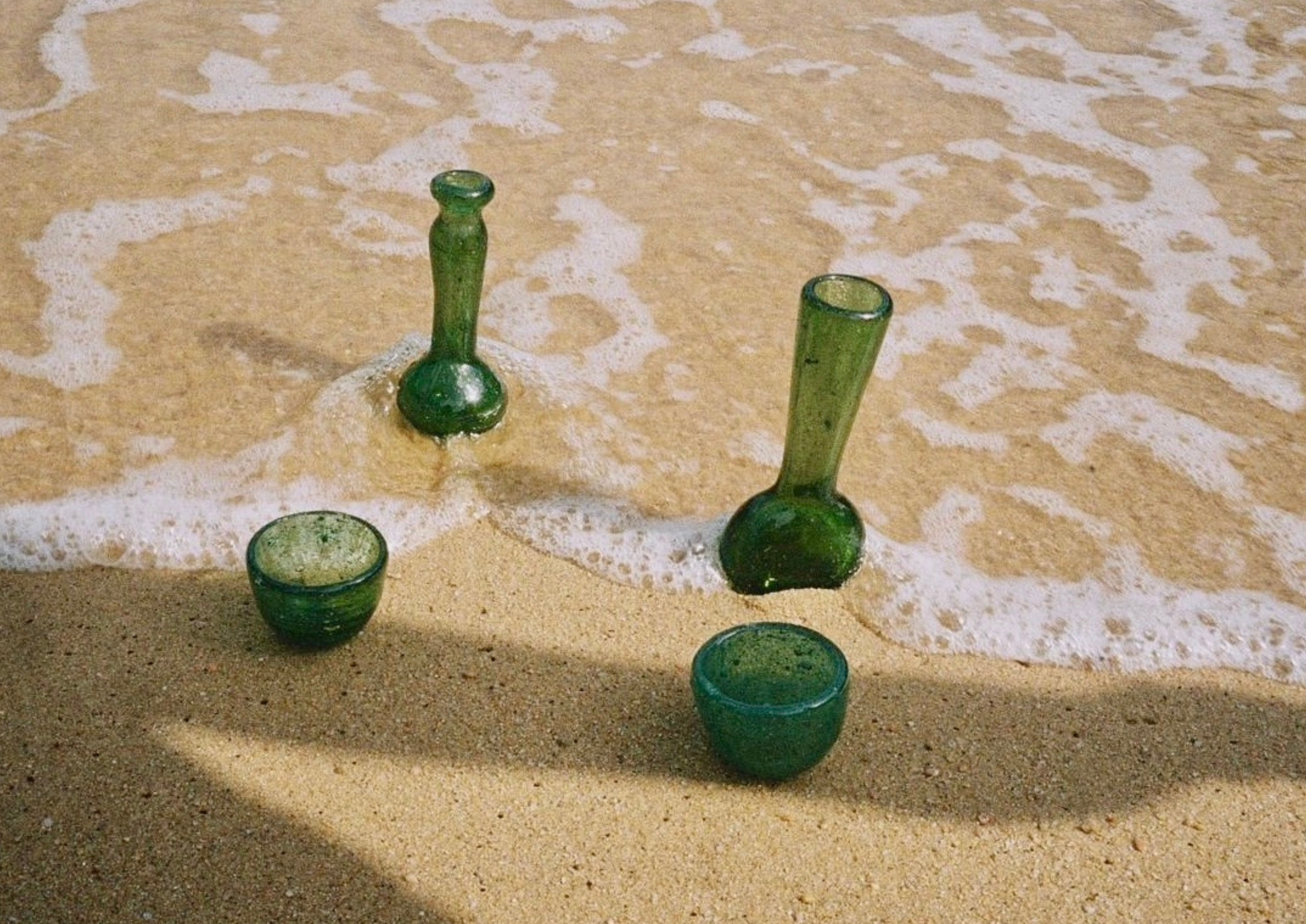
Sea Glass is made from a microalgae that builds silica cell walls—the primary component of glass. Traditionally sourced from sand, silica can instead be grown, reducing harmful mining and capturing CO₂ through photosynthesis. 

Define the problem/need you are solving or addressing with your project. How does it address the Open Call criteria, such as environmental impact, social engagement, circularity, user experience, resource efficiency, and community-driven solutions?

The glass industry relies heavily on sand extraction, depleting ecosystems and disrupting coastal and river environments. With global sand shortages worsening, Sea Glass offers a regenerative alternative by sourcing silica from microalgae instead of mined sand. This process reduces environmental harm and captures CO₂ through photosynthesis, addressing pressing climate concerns. Aligned with the Open Call criteria, Sea Glass promotes resource efficiency by leveraging a renewable biological process, circularity through sustainable material sourcing, and environmental impact by reducing industrial carbon emissions. It encourages social engagement by bridging science, design, and craftsmanship, fostering interdisciplinary collaboration. By shifting from extraction to cultivation, Sea Glass advocates for community-driven solutions that rethink material production in harmony with nature, paving the way for a sustainable glass industry. 

Please describe your project, reflecting on the concept, inspiration, materials, technical aspects, methods and process(es).

Sea Glass reimagines glass production by sourcing silica from microalgae, the main component of traditional glass. Inspired by biosilicification, where algae extract silicon dioxide from water, this project addresses the environmental impact of sand mining and carbon emissions. By cultivating silica rather than extracting it, Sea Glass reduces resource depletion and captures CO₂ through photosynthesis. The material consists of 70% microalgae-derived silica, retaining properties akin to traditional glass. The technical process involves cultivating algae in controlled conditions and processing them into a sustainable, high-performance material. Through a combination of scientific, artisanal, and design methodologies, the project integrates interdisciplinary research and hands-on experimentation. This approach challenges conventional production models, fostering a circular, sustainable alternative to glassmaking and promoting a shift toward sustainability in material design.

What do you think makes your project innovative compared to the existing efforts and ideas in the field it addresses?

Sea Glass is innovative for its novel approach to glass production, utilizing microalgae-derived silica instead of mined sand—a solution not yet explored in existing research. While efforts exist to develop bio-based materials, Sea Glass uniquely addresses the environmental consequences of sand mining by cultivating silica in a renewable, carbon-capturing process. This method not only reduces reliance on non-renewable resources but also integrates ecological regeneration through photosynthesis. Additionally, the material retains the performance characteristics of traditional glass, making it both sustainable and functional. The interdisciplinary approach, which combines biology, design, and craftsmanship, creates a new paradigm for material production, fostering collaboration across sectors. This shift from resource extraction to cultivation presents a forward-thinking model for circular economies and challenges conventional production methods in the glass industry, offering a significant leap in sustainability.

Does it impact or reflect young people need(s) and how?

Sea Glass reflects the needs of young people by addressing the growing demand for sustainable, eco-conscious solutions. As the next generation faces an urgent climate crisis, they seek alternatives to traditional production methods that harm the environment. By offering a renewable, carbon-negative alternative to sand-based glass, Sea Glass aligns with the values of sustainability and environmental responsibility prioritized by young people. The project emphasizes innovation, encouraging young minds to think beyond conventional materials and explore interdisciplinary approaches to problem-solving. It fosters a sense of agency, demonstrating how creative and scientific collaboration can drive meaningful change. Through its focus on circularity and resource efficiency, Sea Glass empowers young people to envision a future where industries positively contribute to the planet, providing a model for how design can lead to ecological regeneration.

Roots Of Ogham

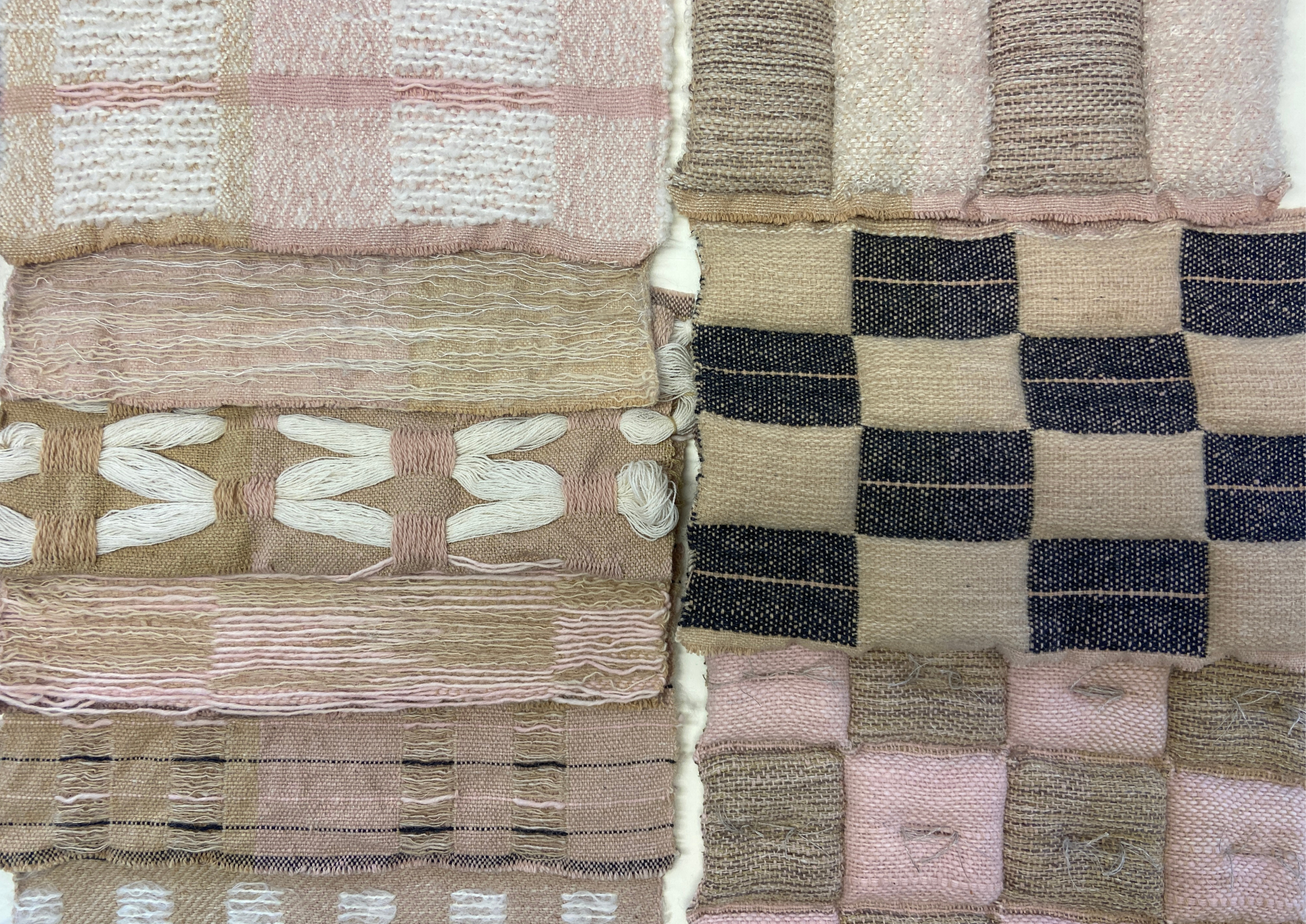
Creating regenerative textiles from inspiration of Irish folklore, using sustainable materials and collaborating with my environment.

Define the problem/need you are solving or addressing with your project. How does it address the Open Call criteria, such as environmental impact, social engagement, circularity, user experience, resource efficiency, and community-driven solutions?

I aim to highlight the narratives embedded in natural materials such as wool, linen and cotton, showing how textiles can bridge tradition and contemporary sustainability. By working closely with the land and utilising locally sourced materials, I aim to create textiles that carry meaning, reinforcing the idea that sustainability and storytelling are inherently connected. I am particularly interested in how handmade textiles preserve heritage, while also offering innovative solutions for sustainability. I am sourcing natural fibers from Ireland and the EU, making natural dyes from Irish native trees, and utilising weave production techniques available in Ireland, ensuring every step aligns with a holistic approach.

Please describe your project, reflecting on the concept, inspiration, materials, technical aspects, methods and process(es).

The concept for my project is based on the native Irish Ogham tree alphabet and naturally dyeing from the trees. The chosen theme for my project is sustainability, materiality and hand-weaving. Producing a woven textile collection for upholstry, cushions, rugs and throws. I will be collaborating with my environment and shedding a light on how Ireland’s folklore is spiritual & mystical. I will be designing through making, natural dyeing and extracting colour from the ogham trees and using raw undyed protein and cellulose fibres. The techniques I will be using are block weaves to create extra weft, tactility and 3D surfaces.

What do you think makes your project innovative compared to the existing efforts and ideas in the field it addresses?

My work is unique as it is inspired by native Irish trees, both as a visual source, and for dye materials. I have sourced traditional natural fibres and yarns from Ireland and Europe, and I am now at the stage of developing signature hand weaving techniques to produce homeware textiles that emulate the surfaces and colours of the trees. I rethink weaving techniques from extracting irregularity from my visual research photography and drawings, converting them into woven structures which is unique in my work.

Does it impact or reflect young people need(s) and how?

Yes, my woven degree project resonates with young people’s needs by addressing sustainability, authenticity, and connection to nature. In an era where many young individuals seek eco-conscious and ethically made products, my use of natural dyes, traditional fibres, and innovative weaving techniques aligns with their values. Additionally, my work fosters a deeper appreciation for Irish heritage and craftsmanship, offering young people a meaningful alternative to mass-produced textiles. The tactile, organic quality of my homeware textiles collection provides comfort and a sense of grounding, important in today’s fast paced, digital world. By rethinking weaving techniques and embracing irregularity, my work reflects the uniqueness and individuality that younger generations celebrate. It encourages mindfulness, sustainability, and a reconnection with nature, making it both relevant and impactful for contemporary lifestyles.

Safetrays

SafeTrays displays allergen information directly on the tray the food is served in and comes in multiple sizes to prevent cross-contamination, offering a safer, more inclusive dining experience for those with food allergies.

Define the problem/need you are solving or addressing with your project. How does it address the Open Call criteria, such as environmental impact, social engagement, circularity, user experience, resource efficiency, and community-driven solutions?

Dietary restrictions due to food allergies, intolerances, or lifestyle choices are often overlooked in commercial food service. Allergen and ingredient information is typically presented in hard-to-read small text or apps that are difficult to navigate, while different foods are often served on the same trays. This creates risks of cross-contamination and makes dining unsafe for individuals with specific dietary needs. SafeTrays addresses this issue by displaying clear allergen information directly on the tray, making it easy for users to identify safe food choices. The trays come in multiple sizes to prevent food mixing, further reducing the risk of cross-contamination. The project meets Open Call criteria by enhancing user experience, promoting inclusive design, supporting resource efficiency through durable design, and raising awareness around dietary restrictions. Ultimately, SafeTrays contributes to safer, more sustainable, and accessible food service environments.

Please describe your project, reflecting on the concept, inspiration, materials, technical aspects, methods and process(es).

SafeTrays is a collection of three ceramic trays designed to enhance food safety for individuals with dietary restrictions, such as food allergies and intolerances. Each tray features dents representing various allergens and dietary needs, which food service staff can mark with machine-washable chalk markers. This system ensures clear communication of allergen information directly on the tray, allowing customers to easily identify safe food options. The collection includes three tray sizes tailored to different portion sizes, preventing food mixing and further minimizing cross-contamination risks. The durable ceramic material provides a hygienic surface that is easy to clean, ensuring the trays are reusable and maintain their clarity over time. This innovative approach allows for a more responsible dining experience that is mindful of individual dietary needs.

What do you think makes your project innovative compared to the existing efforts and ideas in the field it addresses?

SafeTrays innovates by providing direct visibility of allergen information on trays, simplifying the process for food service staff and diners. Unlike traditional methods that rely on small print or complicated apps, SafeTrays enhances user experience by making allergen details immediately accessible and understandable. The design prioritizes inclusivity by ensuring clear communication of potential allergens, allowing diners with dietary restrictions to feel safer. Additionally, the stackable nature of the trays optimizes storage in busy commercial environments, making them space-efficient. The three available sizes further reduce cross-contamination risks by preventing the mixing of different foods. Made from durable ceramic, the trays are reusable and easy to clean with machine-washable chalk markers, maintaining practicality for food service establishments. This unique combination of features positions SafeTrays as a groundbreaking solution in the food safety landscape, encouraging mindfulness in dining experiences.

Does it impact or reflect young people need(s) and how?

SafeTrays provides an accessible way for individuals of all ages to manage dietary restrictions, ensuring clear allergen information for safer dining experiences. For young people in particular, who are increasingly aware of and concerned about food allergies, SafeTrays empowers them to make informed choices when dining out. By effectively communicating allergen information directly on the trays, the project addresses the challenges young diners face when navigating food options without compromising their safety. As mental health awareness grows, the importance of safe dining experiences becomes increasingly relevant for young people. SafeTrays not only fosters well-being through informed food choices but also encourages inclusion, allowing everyone to feel represented in dining scenarios. By prioritizing safety and clarity in food service, SafeTrays resonates with younger generations demanding accountability and consideration in design, ultimately contributing to a more respectful and mindful dining culture.

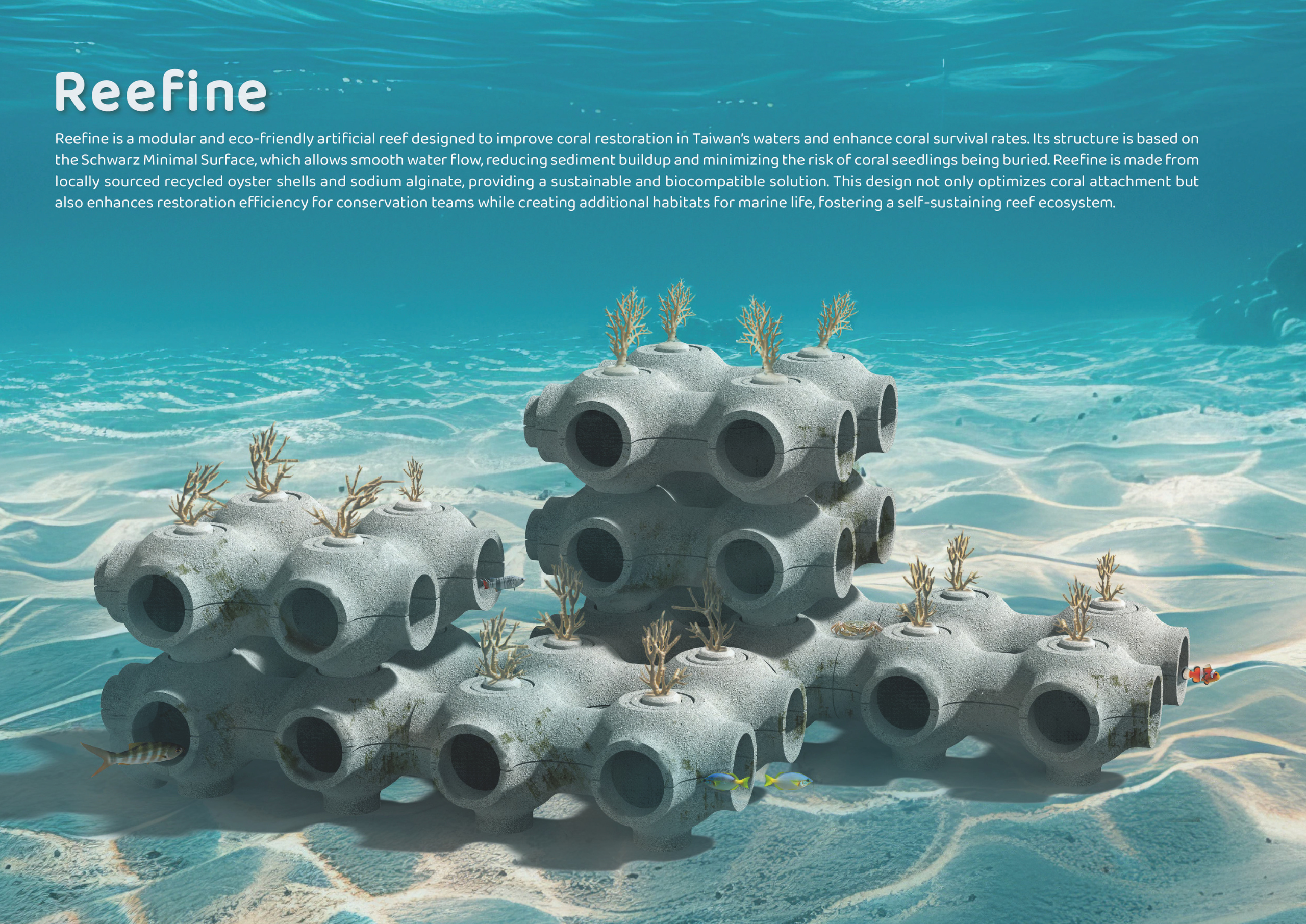
Reefine

Reefine is a modular artificial reef made from recycled oyster shells, designed to enhance coral restoration efficiency, improve marine biodiversity, and promote sustainable reef ecosystems through biomimetic structures and circular material applications.

Define the problem/need you are solving or addressing with your project. How does it address the Open Call criteria, such as environmental impact, social engagement, circularity, user experience, resource efficiency, and community-driven solutions?

Coral reefs are essential to global marine ecosystems, but climate change and human activities have led to increasing coral bleaching and habitat degradation. Current coral restoration methods often rely on concrete, metal, or plastic structures, which can disrupt marine ecosystems and cause long-term pollution. Reefine utilizes recycled oyster shells and sodium alginate to create an eco-friendly, biodegradable artificial reef that seamlessly integrates into marine environments. Its biomimetic design minimizes the impact of water flow and sediment on coral attachment while enhancing biodiversity. The modular system allows for expansion and adaptation based on different reef conditions, improving efficiency for restoration teams. Additionally, Reefine supports community participation by enabling local production through a simple mold-based process, reducing costs and increasing accessibility. By applying circular design principles, Reefine transforms marine waste into coral restoration substrates, enhances environmental benefits, promotes marine biodiversity, advances coral conservation through collaborations with NGOs, government agencies and local communities.

Please describe your project, reflecting on the concept, inspiration, materials, technical aspects, methods and process(es).

 The design inspiration for Reefine comes from the Schwarz Minimal Surface, a biomimetic geometric structure that optimizes water flow circulation and reduces sediment deposition, ensuring that coral seedlings are not buried. Reefine is primarily made from recycled oyster shells, a marine waste rich in calcium carbonate that is compatible with the composition of coral reefs, providing an ideal substrate for attachment. Its design incorporates a porous structure that mimics natural coral reefs, promoting marine biodiversity. Additionally, Reefine uses a low environmental impact molding process, enabling efficient local production and reducing transportation and manufacturing costs. Furthermore, sodium alginate, a natural binder, ensures the material maintains a stable structure while being biodegradable. Reefine’s modular design offers high scalability, allowing restoration teams to adjust installation methods based on environmental conditions.

What do you think makes your project innovative compared to the existing efforts and ideas in the field it addresses?

Unlike traditional coral restoration bases made from concrete or plastic, Reefine is biodegradable, scalable, and ecologically integrated. Its biomimetic Minimal Surface structure reduces sediment accumulation, ensuring coral seedlings grow undisturbed. Existing restoration methods often require plastic zip ties or metal wires to secure corals, whereas Reefine uses sodium alginate, a natural, non-toxic binder that dissolves over time, leaving only the coral and reef structure. Additionally, its modular design allows adaptation to different marine environments, enhancing restoration flexibility. Reefine also incorporates circular economy principles, transforming marine waste (oyster shells) into a valuable ecological resource. While some solutions rely on 3D-printed reef structures, high costs and transportation challenges limit scalability. In contrast, Reefine’s simple mold-based production reduces costs and enables local communities to manufacture reef units, making coral restoration more accessible and affordable worldwide. By integrating sustainable materials, ecological design and localized production, Reefine offers a comprehensive, forward-thinking solution for coral restoration.

Does it impact or reflect young people need(s) and how?

 Reefine aligns closely with the growing concerns of the younger generation regarding climate change and marine conservation. It allows young people to actively engage in marine restoration while also inspiring more individuals to invest in sustainable development. During the design process, we connected with the Delta Electronics Foundation, which has been dedicated to coral restoration in Taiwan for years, leveraging their expertise and technology to optimize coral restoration possibilities.

This design also holds significant tourism potential, particularly appealing to younger audiences. As environmental awareness rises, more young people are passionate about participating in marine conservation and sustainable development activities. Reefine not only serves as part of restoration efforts but can also function as an innovative tourist attraction. This combination of tourism and education helps more people understand the importance of marine conservation while inspiring the younger generation to take on social responsibility.