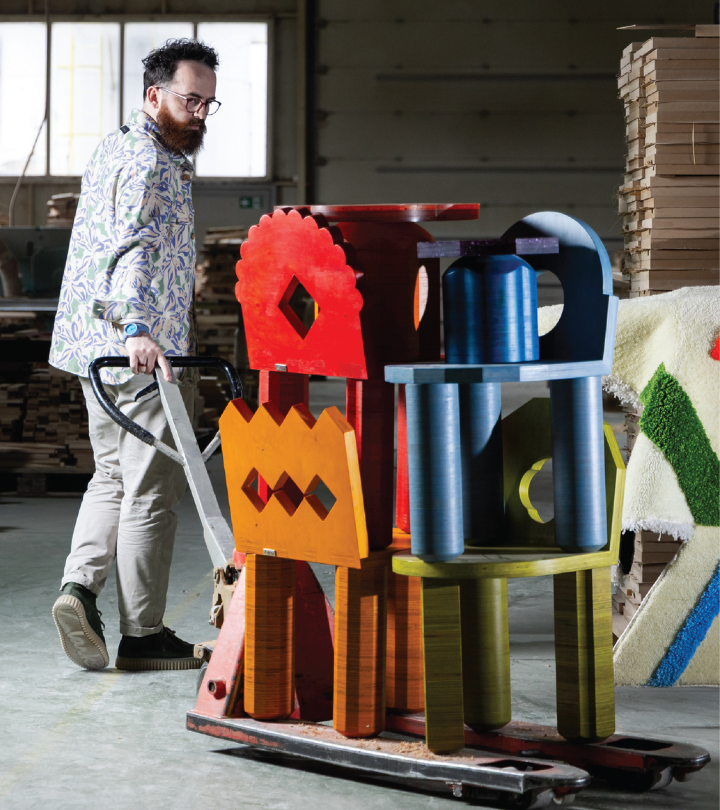
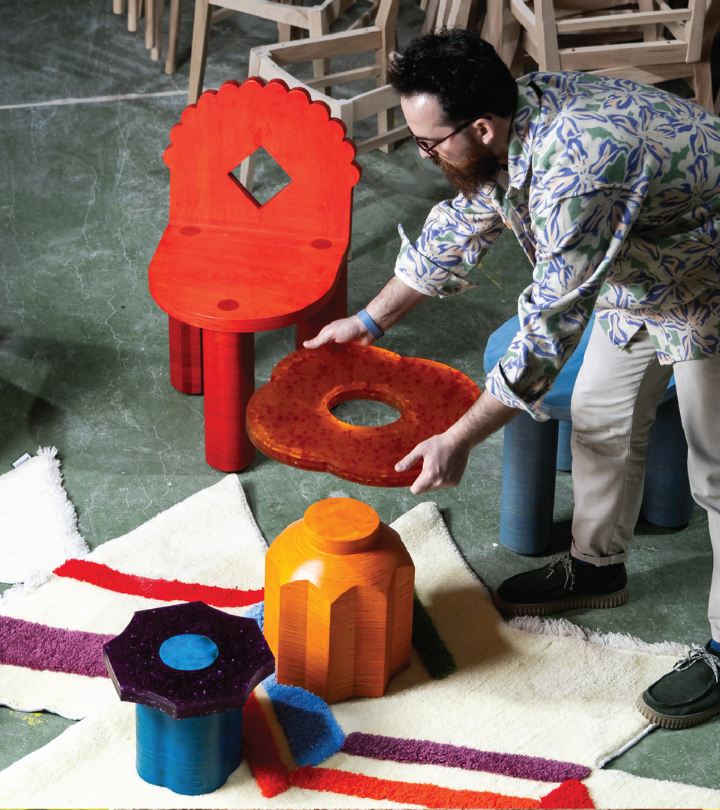
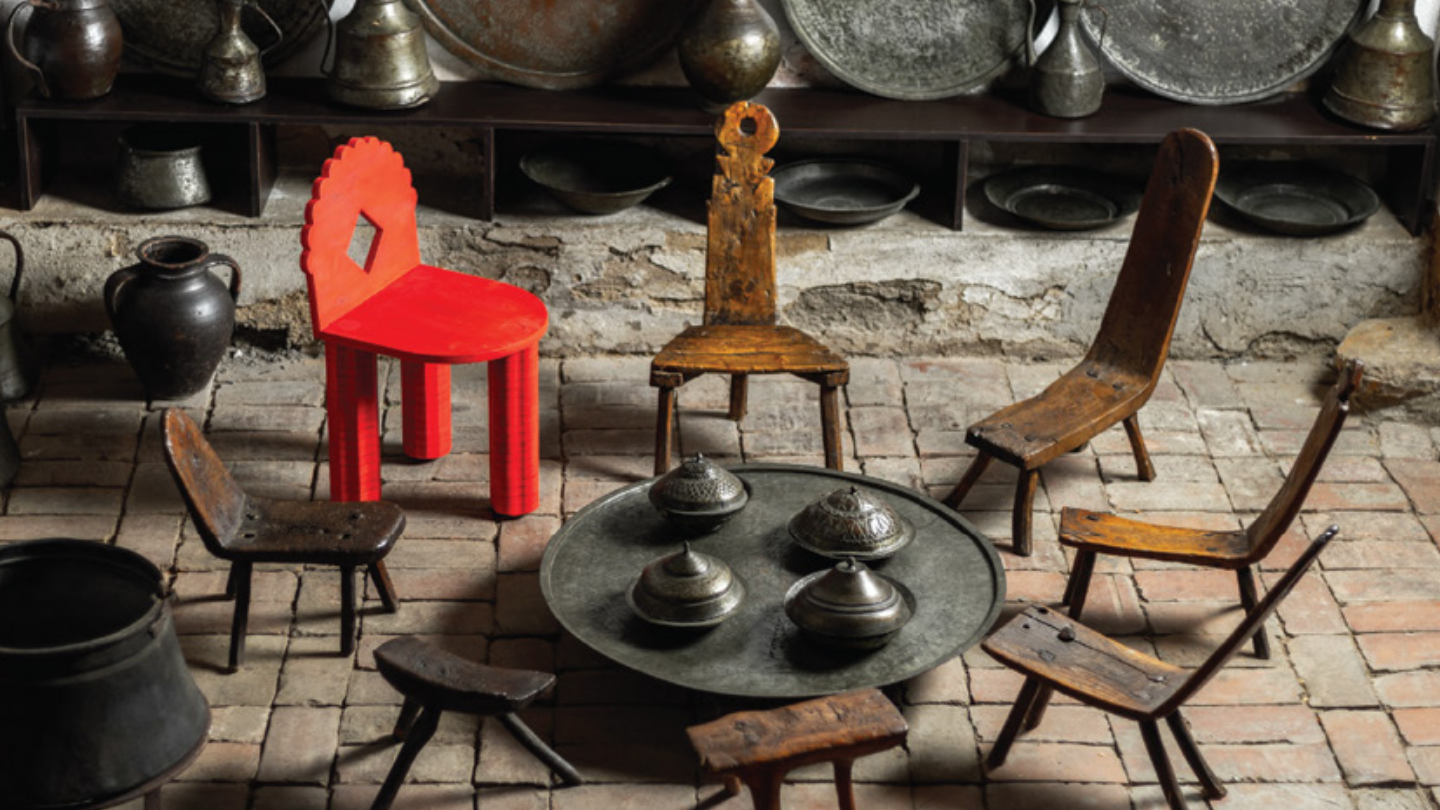
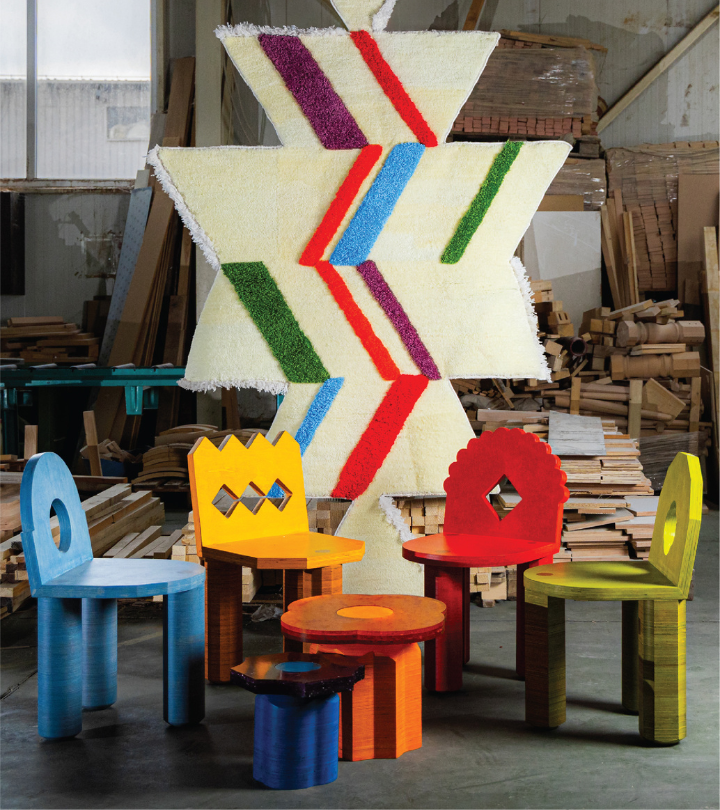
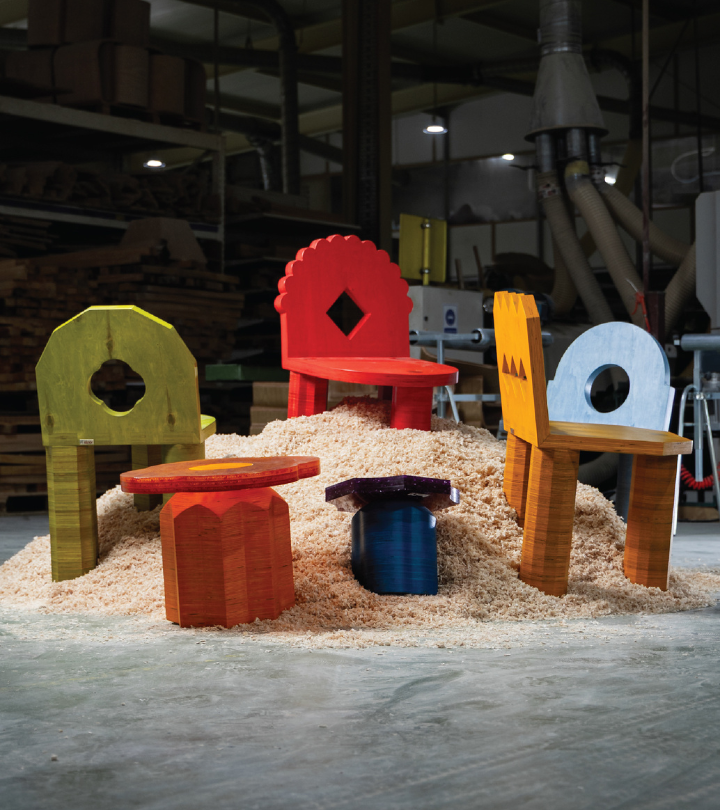
BOLD Collection reinterprets a traditional Albanian stool into a modular, sculptural and personalizable system translating cultural memory into contemporary, adaptable, and internationally relevant objects.
Define the problem/need you are solving or addressing with your project. How does it address the Open Call criteria, such as environmental impact, social engagement, circularity, user experience, resource efficiency, and community-driven solutions?
The BOLD Collection addresses the growing disconnection between contemporary design and local cultural identity. In many emerging regions, traditional crafts are disappearing while mass-produced furniture dominates markets with little emotional or environmental value.BOLD reinterprets a vernacular wooden stool into a modular, adaptable system designed for longevity, repairability, and reinterpretation. Produced locally with small-scale manufacturers, it supports regional craftsmanship and reduces transport impact. Its modular logic allows parts to be replaced, reconfigured, or expanded, encouraging circular use rather than disposal.Beyond function, the project creates social engagement by repositioning heritage as a contemporary asset. It strengthens community-driven production networks and empowers local makers to compete in international markets.By combining cultural continuity, local production, modular adaptability, and durable materials, BOLD proposes a sustainable model where identity, economy, and environmental awareness coexist.
Please describe your project, reflecting on the concept, inspiration, materials, technical aspects, methods and process(es).
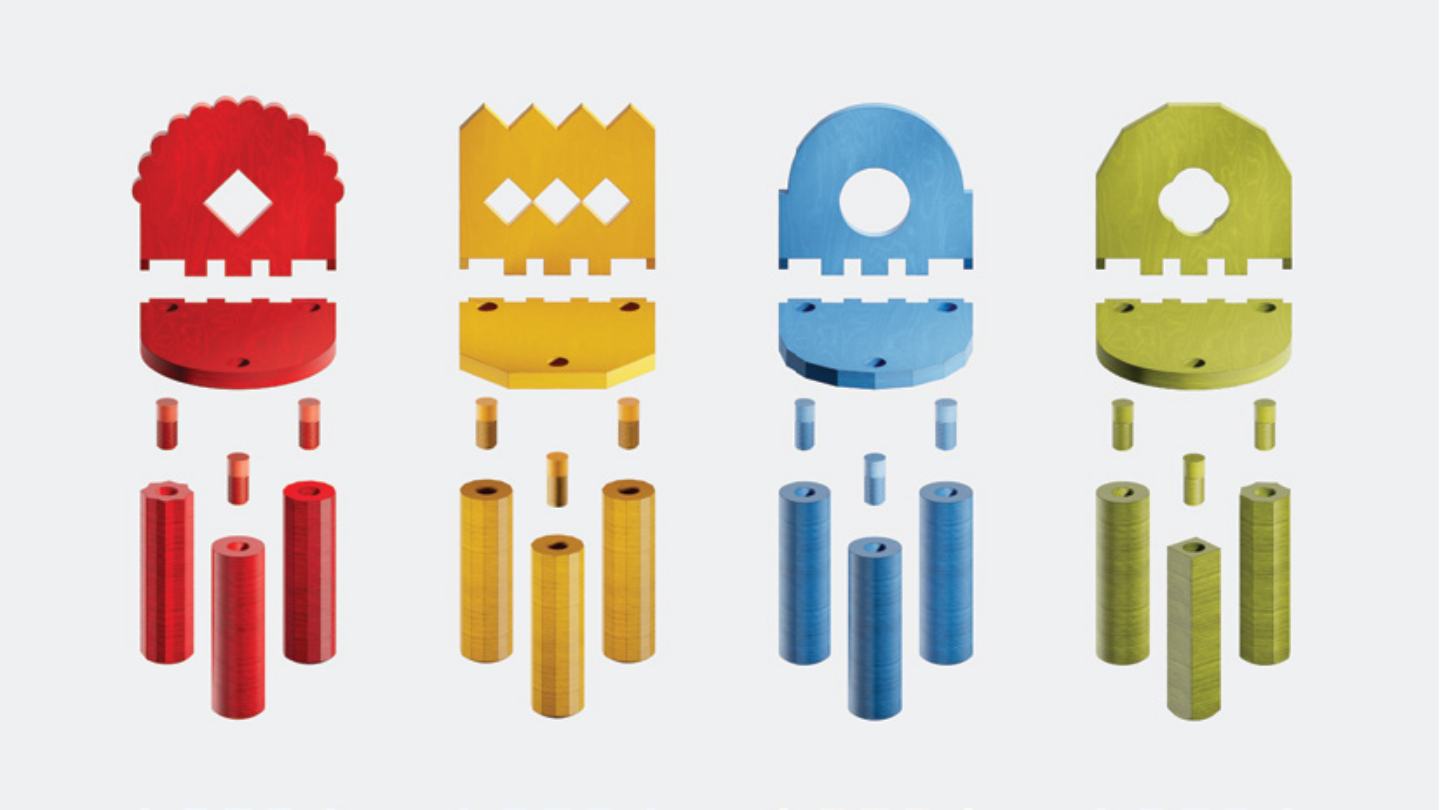
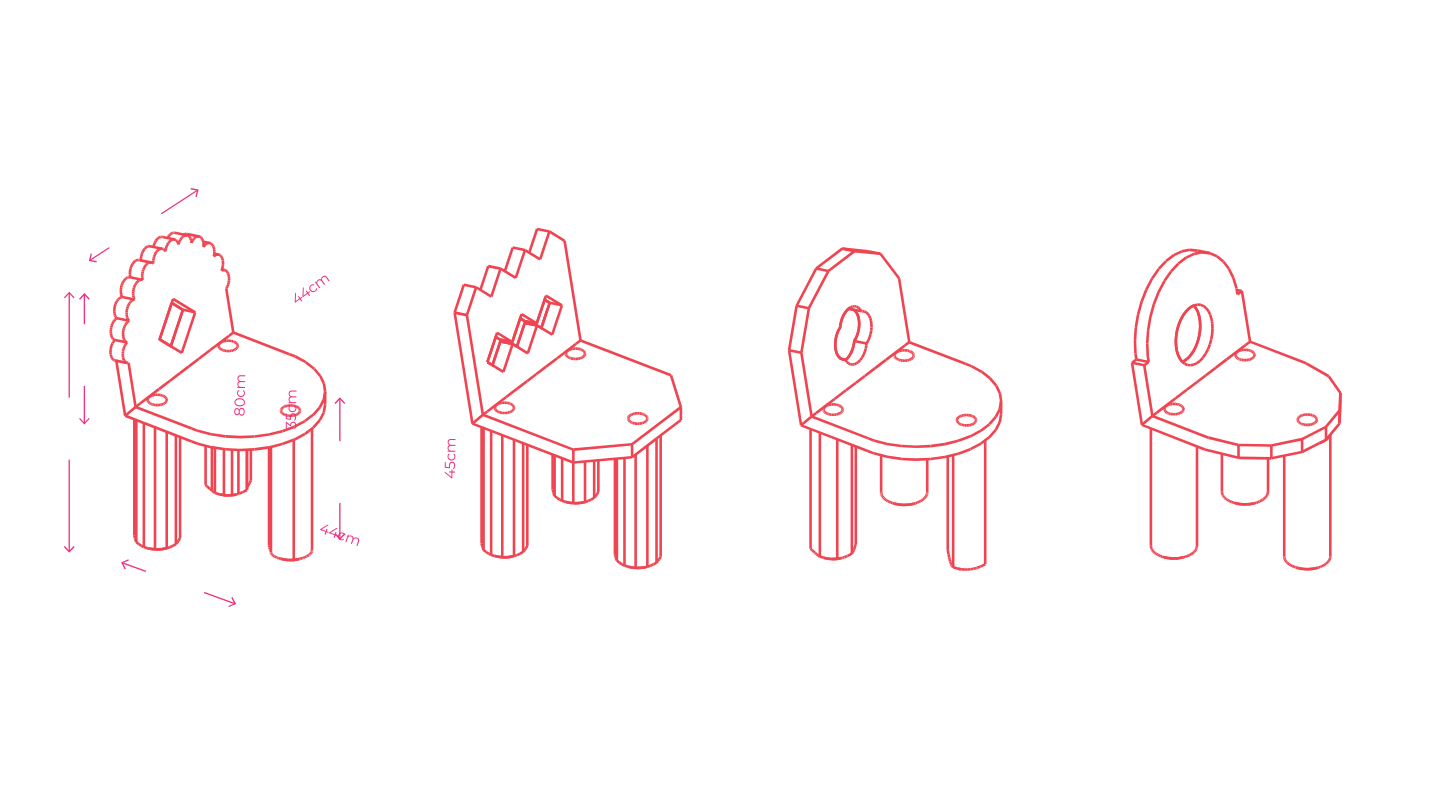
BOLD Collection originates from the reinterpretation of a traditional Kosovo wooden stool used for generations in rural homes. Rather than preserving it as a nostalgic artifact, the project transforms it into a modular, scalable design system adaptable to contemporary living.The collection is crafted from solid wood sourced and produced locally in collaboration with small manufacturers. Its structure is based on a clear geometric logic that allows stacking, reconfiguration, and expansion into tables, benches, and spatial installations. The joinery is simplified for durability, repairability, and efficient production.The process combines digital modeling with hands-on prototyping, ensuring both precision and craftsmanship. By maintaining minimal components and structural clarity, BOLD reduces material waste while increasing longevity. The project is not only a product, but a method: translating vernacular memory into a flexible, contemporary system rooted in culture and built for the future.
What do you think makes your project innovative compared to the existing efforts and ideas in the field it addresses?
BOLD is innovative because it does not treat heritage as decoration, but as infrastructure. Instead of applying traditional motifs superficially, it extracts structural intelligence from a vernacular object and transforms it into a modular design system.Its innovation lies in combining cultural reinterpretation with scalability. The same structural DNA generates multiple typologies, allowing adaptability without redesigning from zero. This reduces production complexity and material waste. Unlike many contemporary furniture brands that prioritize aesthetics over context, BOLD positions identity as a driver of sustainability. By strengthening local production networks and enabling international distribution of regionally rooted design, it proposes a new economic model for emerging creative ecosystems. The project demonstrates that innovation can emerge from reinterpretation rather than technological excess; merging craft knowledge, modular logic, and circular thinking into a globally relevant design language.
Does it impact or reflect young people need(s) and how?
BOLD impacts young people by reframing cultural identity as a source of confidence and opportunity. In regions where creative industries are still developing, many young designers feel disconnected from both global markets and local traditions. The project demonstrates that heritage can become contemporary and internationally competitive without losing authenticity. Through workshops, lectures, and exhibitions, BOLD has been shared with students and emerging designers as a case study of how local narratives can become global platforms. Its modular and adaptable logic also reflects how younger generations live today: flexible, mobile, and multifunctional. The collection encourages reinterpretation rather than fixed use, aligning with evolving lifestyles.By proving that a locally rooted idea can win international awards and travel globally, BOLD offers a tangible example that innovation does not require leaving your context; it requires redefining it.