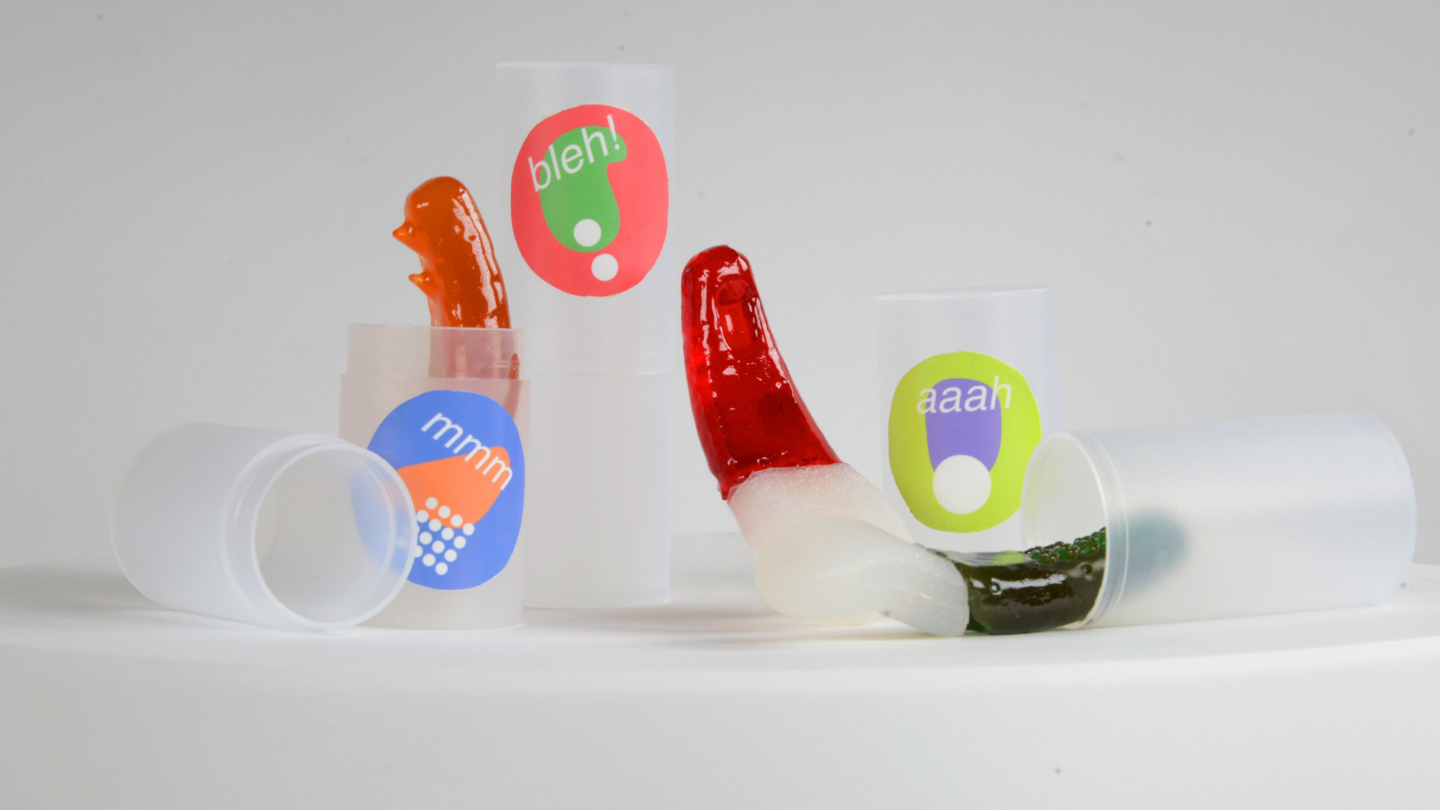
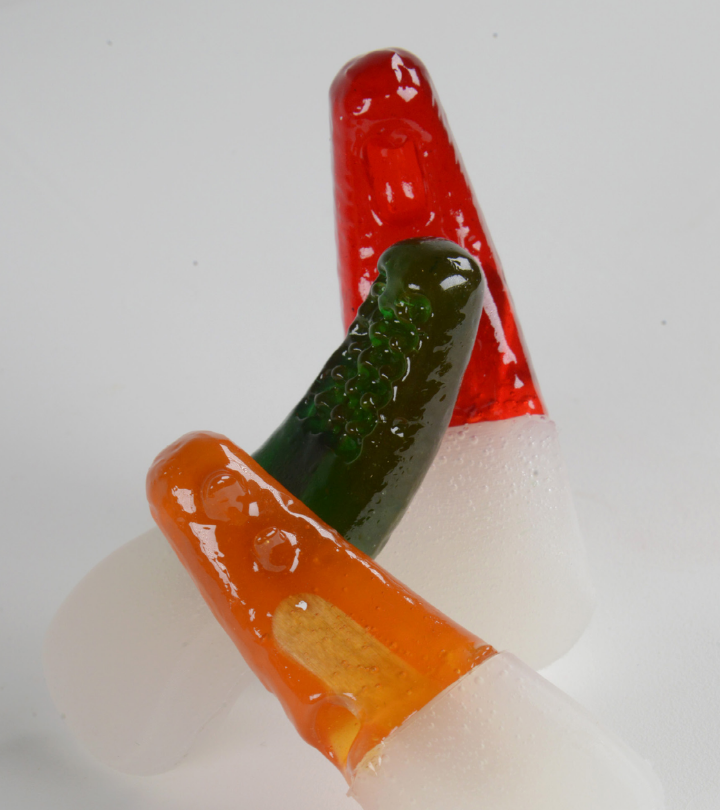
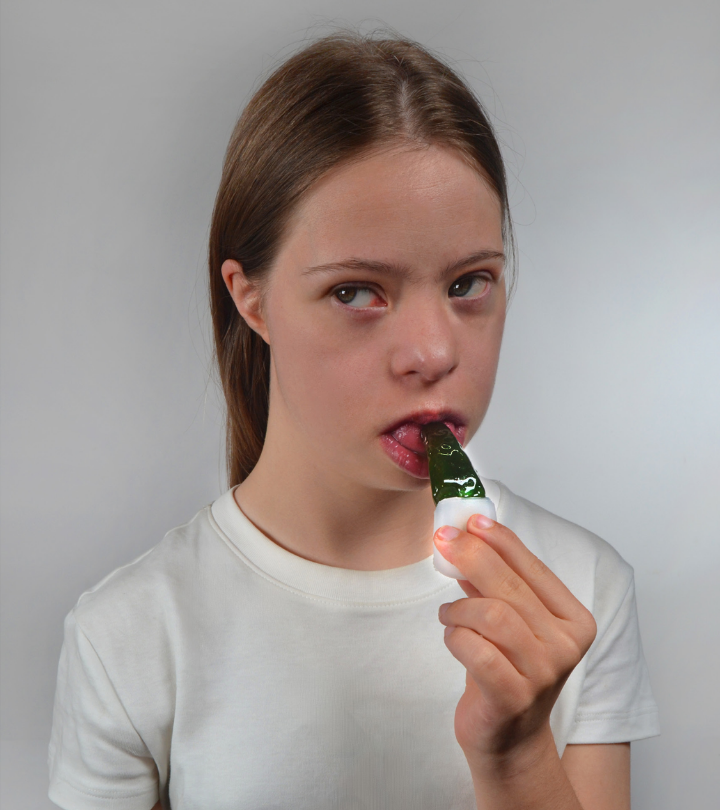
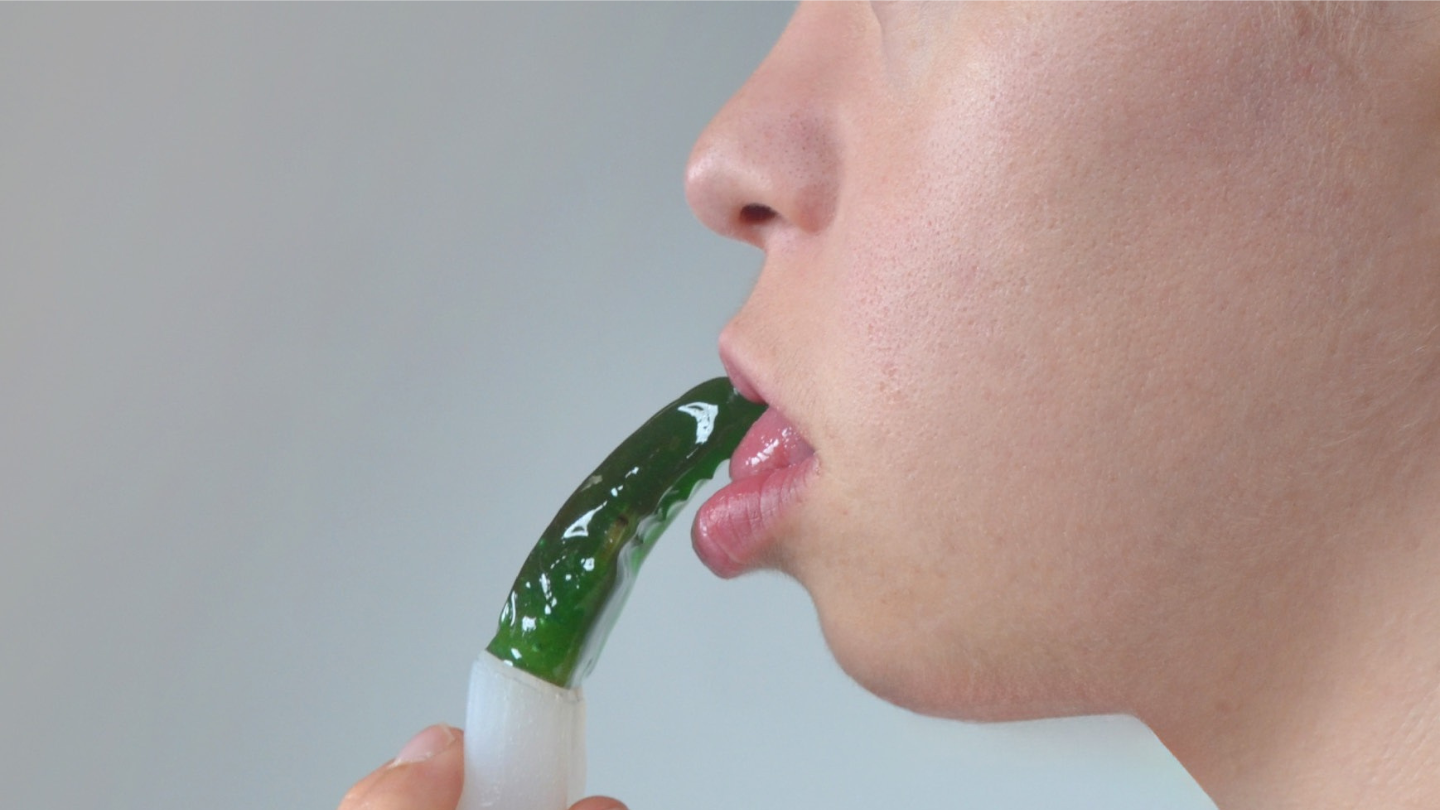
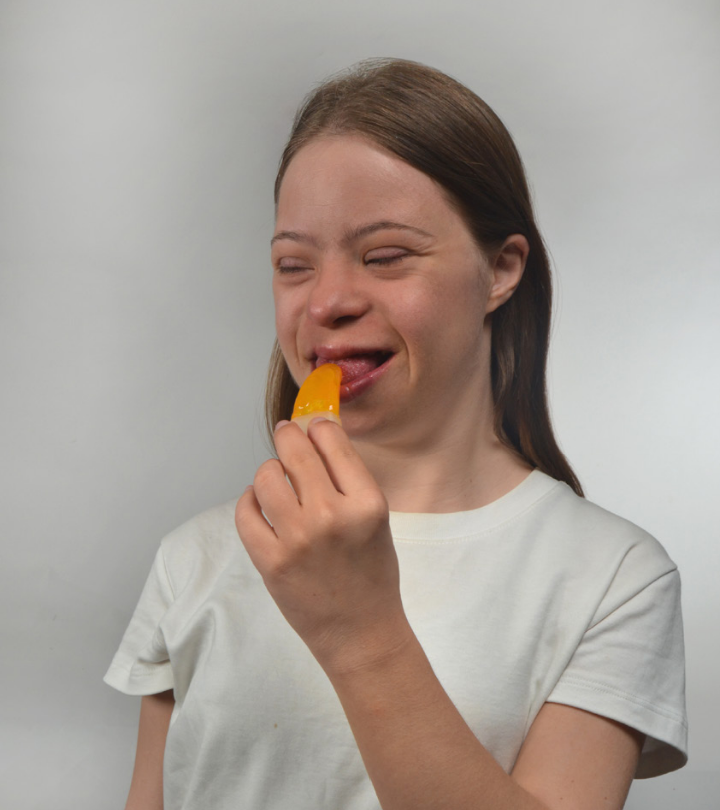
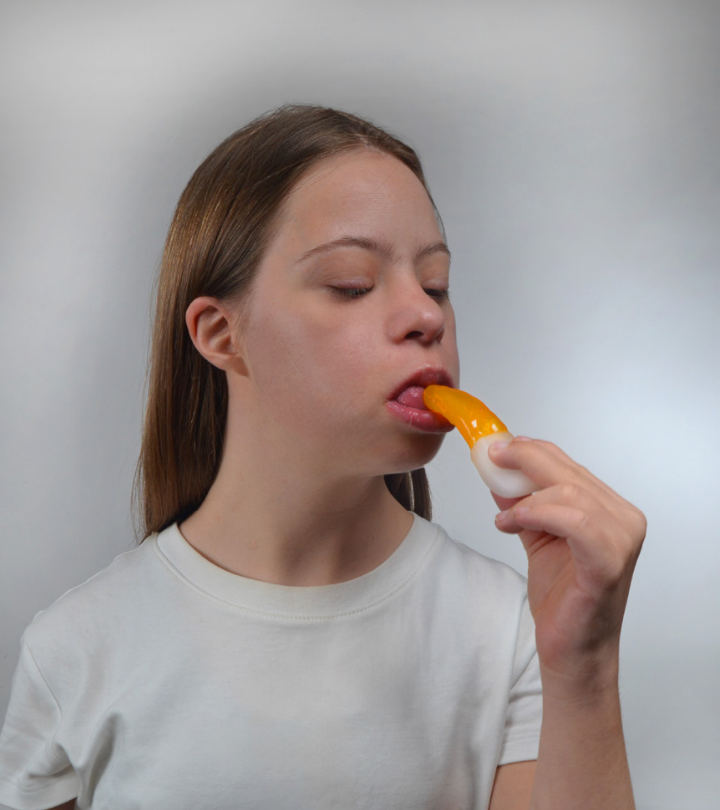
Bleh! is a collection of therapeutic candies designed to stimulate tongue proprioception in children with macroglossia and tongue hypotonia, transforming oral therapy into a playful sensory experience through food design, graphic language, and affective interaction.
Define the problem/need you are solving or addressing with your project. How does it address the Open Call criteria, such as environmental impact, social engagement, circularity, user experience, resource efficiency, and community-driven solutions?
Children with Down syndrome often face macroglossia and protrusion of the tongue, which can lead to dental issues, social discomfort, and challenges in oral motor development. My project, Bleh! Ode to the Tongue, addresses these needs by creating playful, therapeutic candies that encourages safe tongue movement, proprioception, and sensory engagement. By combining food design with inclusive design principles, the project fosters social interaction, promotes awareness, and improves daily oral care routines. Materials are food-safe, visually appealing, and produced with minimal waste, emphasizing circularity and resource efficiency. The process integrates co-creation with children and caregivers, ensuring user-centered solutions. This approach stimulates community engagement, as families and educators participate in the development and testing of prototypes. The project merges art, science, and design to create a socially conscious, sustainable, and multisensory solution for a traditionally overlooked area of health and inclusion.
Please describe your project, reflecting on the concept, inspiration, materials, technical aspects, methods and process(es).
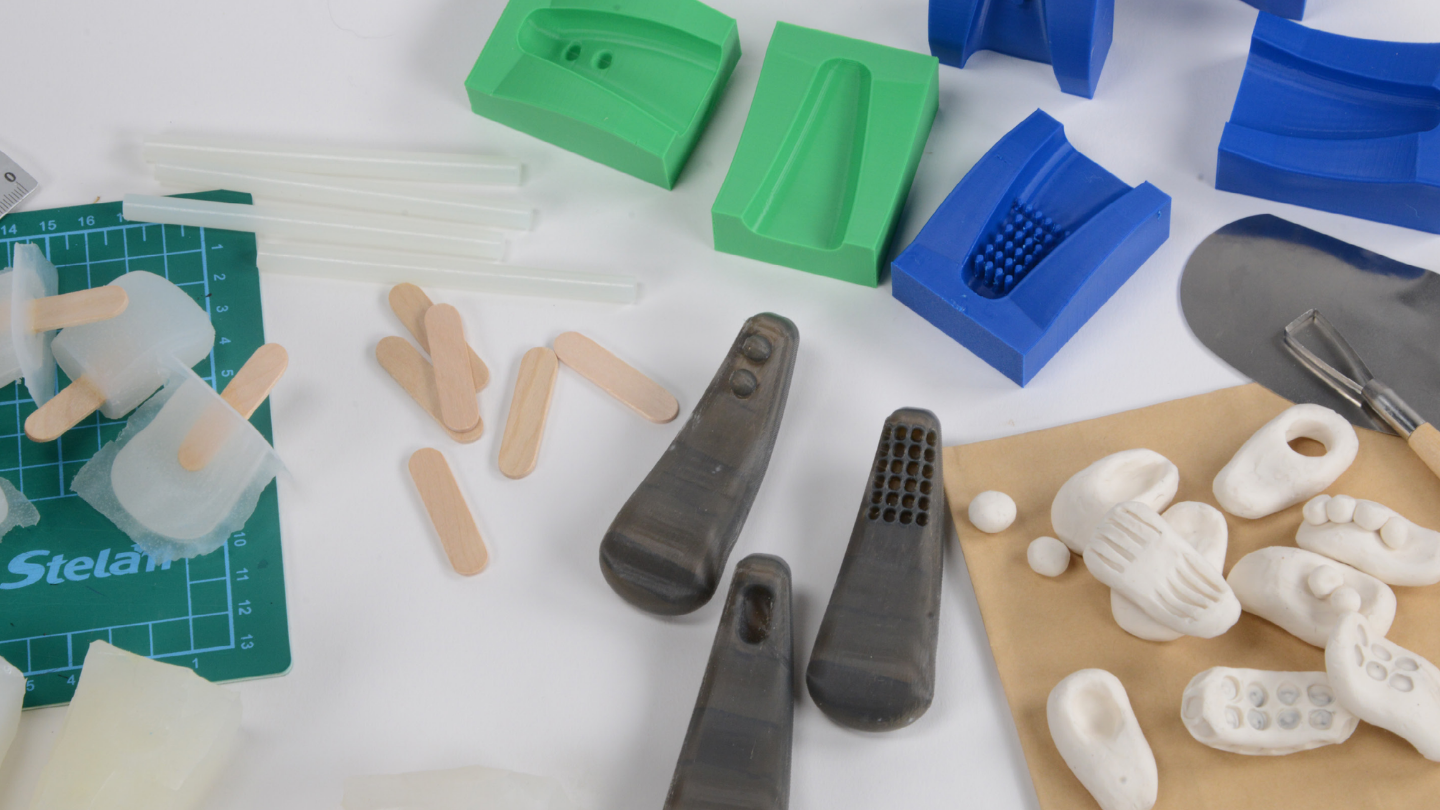
Bleh! Oda a la lengua is inspired by the overlooked role of the tongue in communication, expression, and sensory experience. The project explores how playful, colorful confectionery can function as a tool for oral stimulation, proprioception, and social interaction. Materials include natural colorants derived from fruits, vegetables, and spices, combined with safe, malleable, and biodegradable bases. The design process merges research in food science, therapy techniques, and inclusive design, involving iterative prototyping with children, caregivers, and experts. Technical methods include molding, textural experimentation, and visual storytelling through packaging and branding to enhance engagement. Each piece is designed to encourage different tongue movements, while the visual language and tactile experience aim to make therapy enjoyable and socially engaging. The process emphasizes accessibility, sustainability, and co-creation, making each product a hybrid between functional therapy, playful interaction, and artistic expression, reinforcing the significance of the tongue in daily life and social bonding.
What do you think makes your project innovative compared to the existing efforts and ideas in the field it addresses?
Bleh! Ode to the Tongue innovates by transforming a deeply personal, real-life challenge (my little sister’s experience with macroglossia) into a design solution that blends therapy, play, and food. Unlike conventional interventions, which are often clinical or obligatory, this project uses confectionery to turn necessary oral exercises into a desirable, engaging, and multisensory activity. The personal, nostalgic foundation grounds the project in lived experience, ensuring empathy and relevance, while the candy format transforms obligation into desire, encouraging consistent participation. By combining color, texture, taste, and playful shapes, it stimulates oral proprioception while promoting social interaction and inclusion. Sustainability, co-creation, and user-centered design are embedded throughout, making it a holistic approach. This unique mix of intimacy, play, and functional therapy positions the project as a pioneering intervention that is both emotionally resonant and socially impactful, bridging art, design, and inclusive health in ways existing tools do not.
Does it impact or reflect young people need(s) and how?
Yes, it directly impacts young people’s needs. Addresses the physical, social, and emotional needs of children with Down syndrome. By offering playful, therapeutic confectionery, it encourages safe tongue movement, improving oral motor skills, proprioception, and dental health. The interactive and visually appealing design fosters curiosity, engagement, and enjoyment, transforming therapy into a positive, daily experience. Beyond physical benefits, the project promotes social inclusion by enabling shared experiences between children, families, and peers, reducing stigma around oral differences. The creation process allows young people to influence design decisions, empowering them and valuing their perspective. Additionally, the multisensory approach enhances cognitive, tactile, and gustatory exploration, supporting broader learning and developmental skills. By addressing functional, emotional, and social aspects simultaneously, the project responds holistically to young people’s needs, demonstrating that care routines can be enjoyable, inclusive, and creatively enriching.