
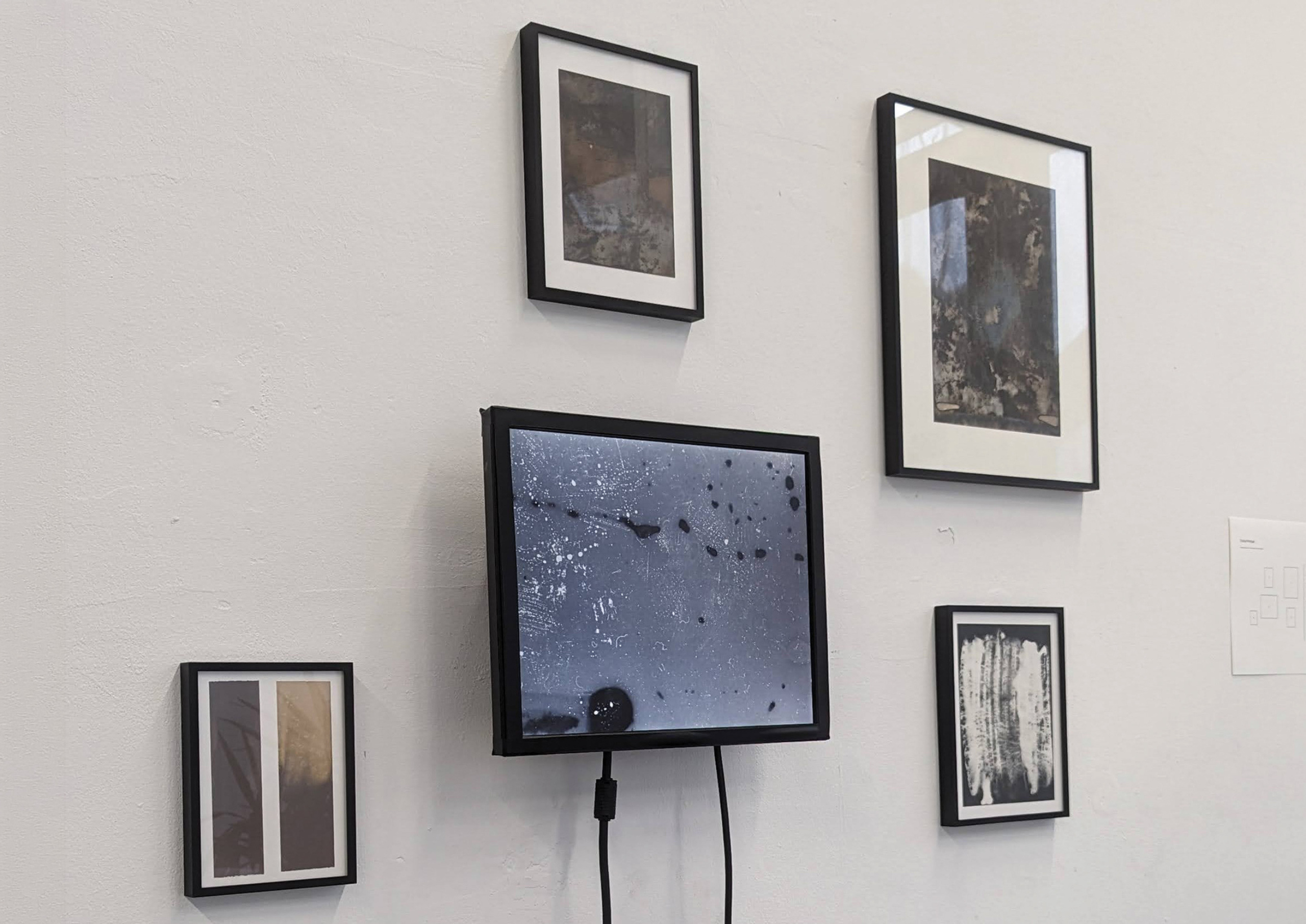
“Doka” is the Dutch word for the photographic darkroom, “donkere kamer”. This research project aims to provide sustainable alternatives to the harmful chemical process of darkroom photography.
Define the problem/need you are solving or addressing with your project. How does it address the Open Call criteria, such as environmental impact, social engagement, circularity, user experience, resource efficiency, and community-driven solutions?
Traditional developing and fixing processes in film photography rely on toxic chemicals like hydroquinone, metol and ammonium thiosulfate, and their disposal poses a major ecological risk. Growing up in Naples, where toxic waste dumping is a critical issue, I felt compelled to seek alternatives that wouldn’t contribute further to environmental harm. During my Tech Fellowship at Rijksakademie, I researched and developed new techniques that replace hazardous chemicals with natural and biodegradable substitutes. I identified ascorbic acid (vitamin C) as a safe developing agent and formulated an eco-friendly developer with sodium ascorbate and natural phenols from blueberries, coffee or cocoa powder, which allowed for effective film processing without traditional toxic developers. Similarly, I substituted the stop bath with a simple solution of rainwater and vinegar and experimented with a salt-based fixer, using sustainable accelerants like sulfenic acid from onions and MSM (methylsulfonylmethane) to speed up the process.
Please describe your project, reflecting on the concept, inspiration, materials, technical aspects, methods and process(es).
An estimated 11.6 million tonnes of toxic waste is buried or burned beneath vegetable fields, in quarries or on open land in the area around Naples, Italy, my hometown. Highly toxic industrial waste such as dioxin, arsenic, and even radioactive material can be found in the area. It is important to be aware of what these chemicals do to the environment over time, and be eco-smart about the best method of disposal. Most municipalities do not allow the disposal of any photographic waste into septic systems because it can adversely affect sources of underground drinking water and aquatic life. Yet most photographers dispose of their chemicals down the drain. I am developing recipes and guidelines to share with a wider community, hoping to inspire others to pursue environmentally conscious approaches to art and chemical-based processes, while also laying the groundwork for sustainable practices in creative industries.
What do you think makes your project innovative compared to the existing efforts and ideas in the field it addresses?
While most coffee-based developers are film-specific, my research focuses on a universal recipe compatible with any black-and-white brand and a massive sensitivity range (ISO 12–3200). I am currently refining this formula to offer a cheap, accessible alternative that I plan to both commercialize and share freely online. The analogue revival is undeniable; over the last decade, Kodak resumed production and ILFORD’s revenues doubled. However, many “eco-friendly” chemicals currently on the market are merely greenwashed products that remain environmentally harmful. My goal is to provide a truly sustainable solution that honours the craft. I hope this movement eventually inspires other chemical-heavy industries, like ceramics and painting, to adopt authentic, sustainable alternatives at a commercial level.
Does it impact or reflect young people need(s) and how?
This project taps directly into the “Analog Renaissance” led by Gen Z and Millennials, who are increasingly seeking tactile, slow processes to counter their digital-heavy life. Young people are highly sensitive to greenwashing. My recipe offers a transparent, DIY alternative to “eco-labeled” industrial toxins, aligning with their environmental values. Additionally, by keeping the recipe cheap and open-source, I lower the financial barrier to entry, making high-quality film development inclusive rather than elitist.
The project transforms a high-tech hobby into a grounding, kitchen-based ritual, turning a “black box” chemical process into something tangible and safe, satisfying a deep-seated need to reconnect with natural, non-digital cycles.