Enabling immigrants to build a shared sound-layer of experiences, placed on top of our physical world.
Define the problem/need you are solving or addressing with your project. How does it address the Open Call criteria, such as environmental impact, social engagement, circularity, user experience, resource efficiency, and community-driven solutions?
OpenTrace addresses the lack of bottom-up, community-driven support systems for migrants navigating new environments. Many migration services are designed top-down, focusing on formal information and institutional guidance, while everyday emotional, cultural, and practical knowledge often remains invisible and fragmented. OpenTrace responds by enabling migrants to leave and access location-based audio traces, turning lived experience into a shared, decentralized layer of support. The project promotes social engagement by connecting people through peer-generated stories and collective memory. It is community-driven in that knowledge is built by migrants themselves, not prescribed for them. In terms of user experience, it explores a lightweight, place-based interaction model that makes access to support more situated and meaningful. The project also reflects resource-conscious thinking by building on simple audio-based interactions and existing everyday behaviors, rather than proposing a heavy or centralized digital infrastructure.
Please describe your project, reflecting on the concept, inspiration, materials, technical aspects, methods and process(es).
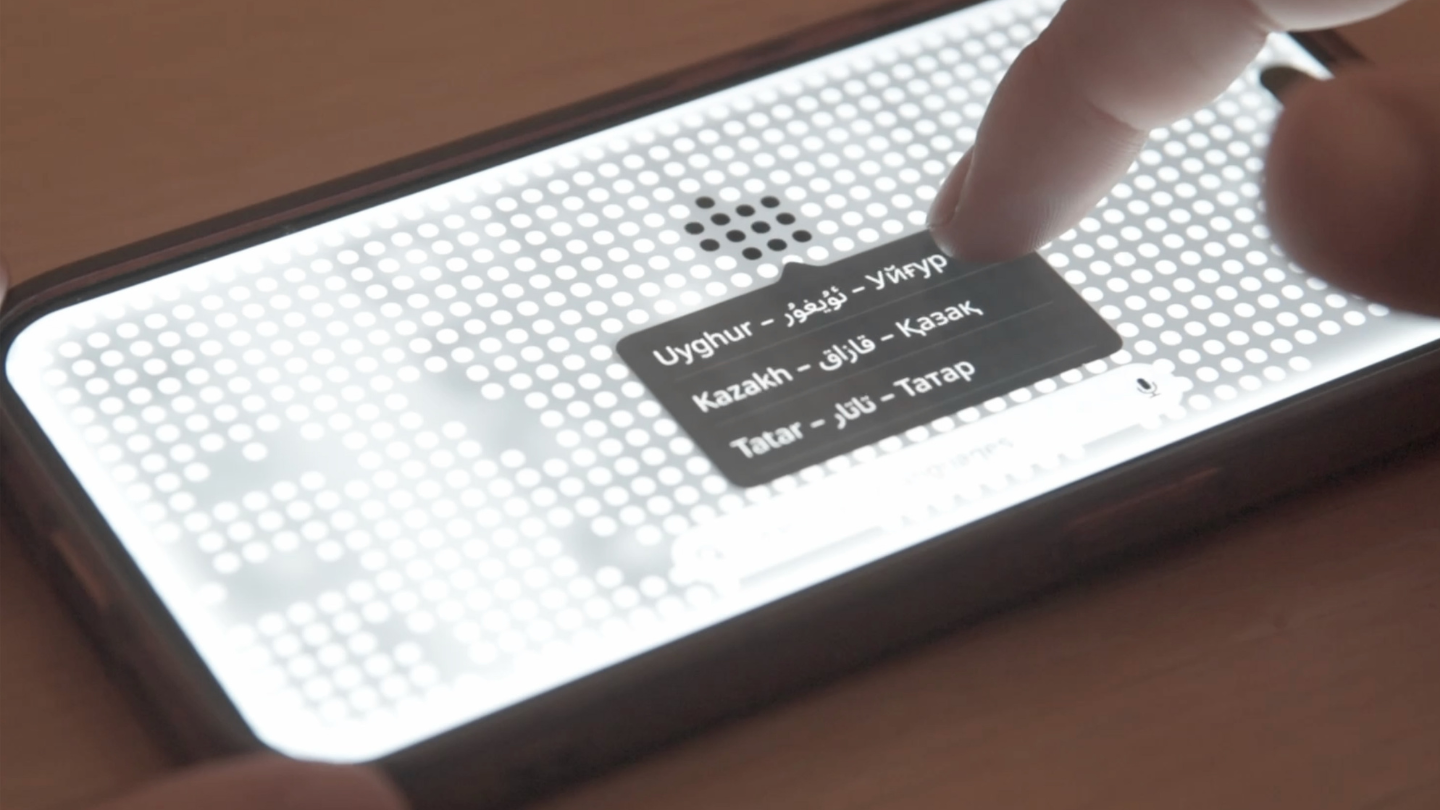
OpenTrace is a location-based audio archive that enables migrants to leave, access, and build shared traces of lived experience in the places they move through. The project was inspired by the emotional, practical, and often invisible challenges of migration, and by the lack of bottom-up systems through which newcomers can learn from one another rather than only from institutional guidance. Through speculative design, narrative development, and interaction prototyping, we explored how personal stories, emotions, and everyday knowledge could accumulate into a decentralized layer of support. The project combines spatial interaction, audio storytelling, and a wearable/listening device concept to connect memory with place. Its process involved research into migration, belonging, and memory, followed by concept framing, interaction design, and prototyping. OpenTrace proposes a more situated and collective way of navigating a new world through shared lived experience.
What do you think makes your project innovative compared to the existing efforts and ideas in the field it addresses?
What makes OpenTrace innovative is that it does not approach migration through a top-down service model or a promise of a complete solution. Instead, it proposes a decentralized, emergent support infrastructure built from the lived experiences of migrants themselves. Many existing efforts focus on systems, information, or integration from an institutional perspective, often overlooking emotion, agency, and the small realities of everyday life. OpenTrace shifts the focus to peer-generated traces, allowing people to encounter one another across time through place-based audio. It is designed as a response rather than a perfect solution: lightweight, low-cost, and grounded in practical but emotional interventions. Rather than replacing human connection with technology, it uses technology to make connection, memory, and mutual orientation more possible. Its innovation lies in treating support as something shared, accumulated, and co-existing, not delivered from above.
Does it impact or reflect young people need(s) and how?
Yes. OpenTrace reflects young people’s need for belonging, self-expression, and peer-generated ways of navigating unfamiliar worlds. Many young migrants live between places, languages, and identities, while existing support systems often speak to them in formal, top-down ways that leave emotional and everyday experiences unaddressed. OpenTrace responds by creating a space where young people can leave traces of their own stories, encounter those of others, and build knowledge through shared lived experience rather than instruction alone. It supports agency by allowing users not only to access support, but to contribute to it. It also reflects how many young people already relate to the world: through audio, mobility, informal networks, and emotional connection to place. In this sense, the project is not only about migration, but about how younger generations seek more participatory, decentralized, and human ways of making sense of the world.