Through material research and material-driven design using DIY biomaterial recipe from avocado seeds, this project creates participatory spaces where design becomes a collective act, rethinking material value, ecological responsibility, and shared futures.
Define the problem/need you are solving or addressing with your project. How does it address the Open Call criteria, such as environmental impact, social engagement, circularity, user experience, resource efficiency, and community-driven solutions?
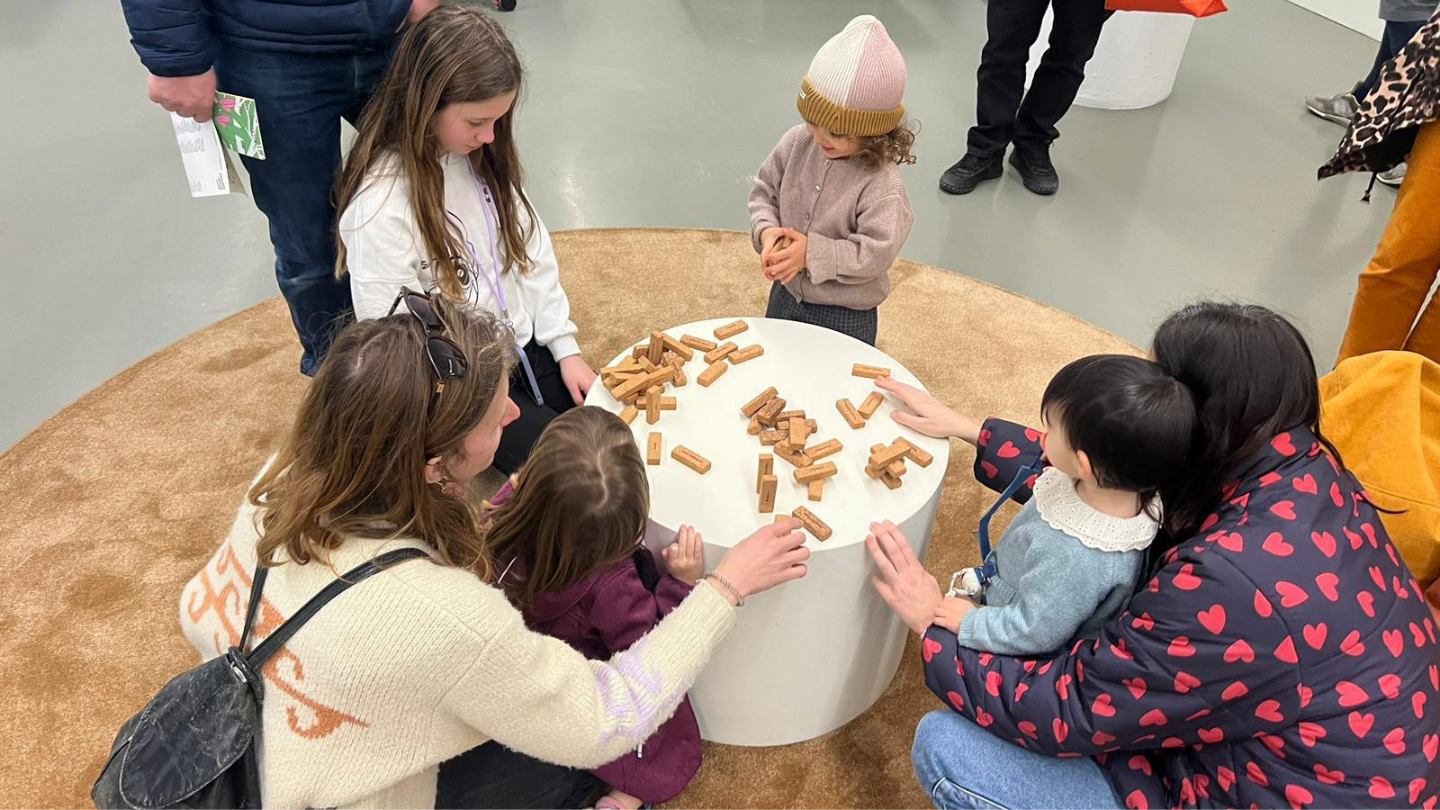
This project addresses the disconnection between people materials and the environmental impact of everyday consumption especially the invisibility of food waste once it is discarded. Current systems frame waste as an endpoint reinforcing linear production models and passive consumption. By using avocado seeds to develop DIY biomaterial recipes through material driven design the project repositions waste as a starting point for learning making and collaboration. It creates participatory workshops and installations where users actively engage in transforming organic waste into tangible materials fostering awareness of resource cycles and ecological impact.
Please describe your project, reflecting on the concept, inspiration, materials, technical aspects, methods and process(es).
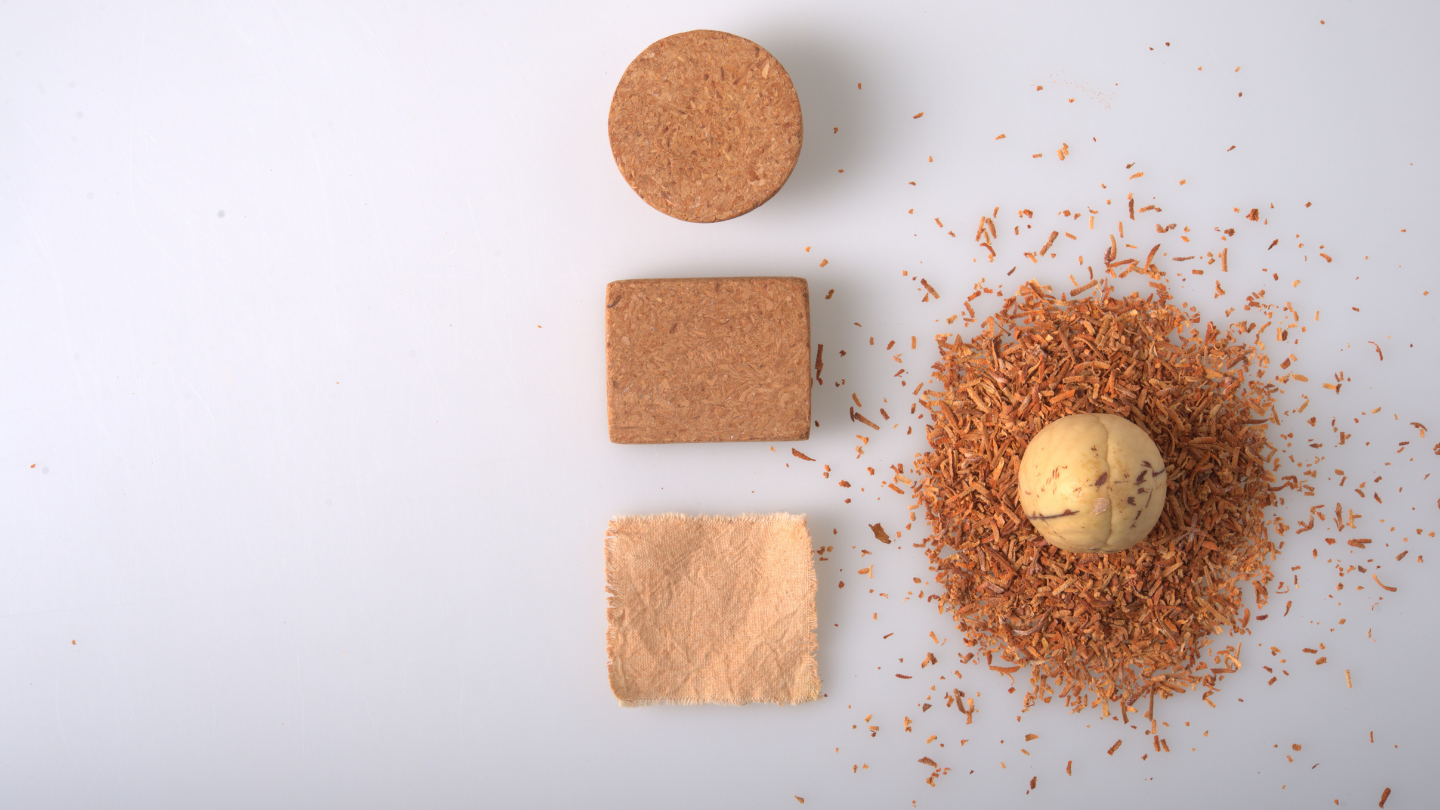
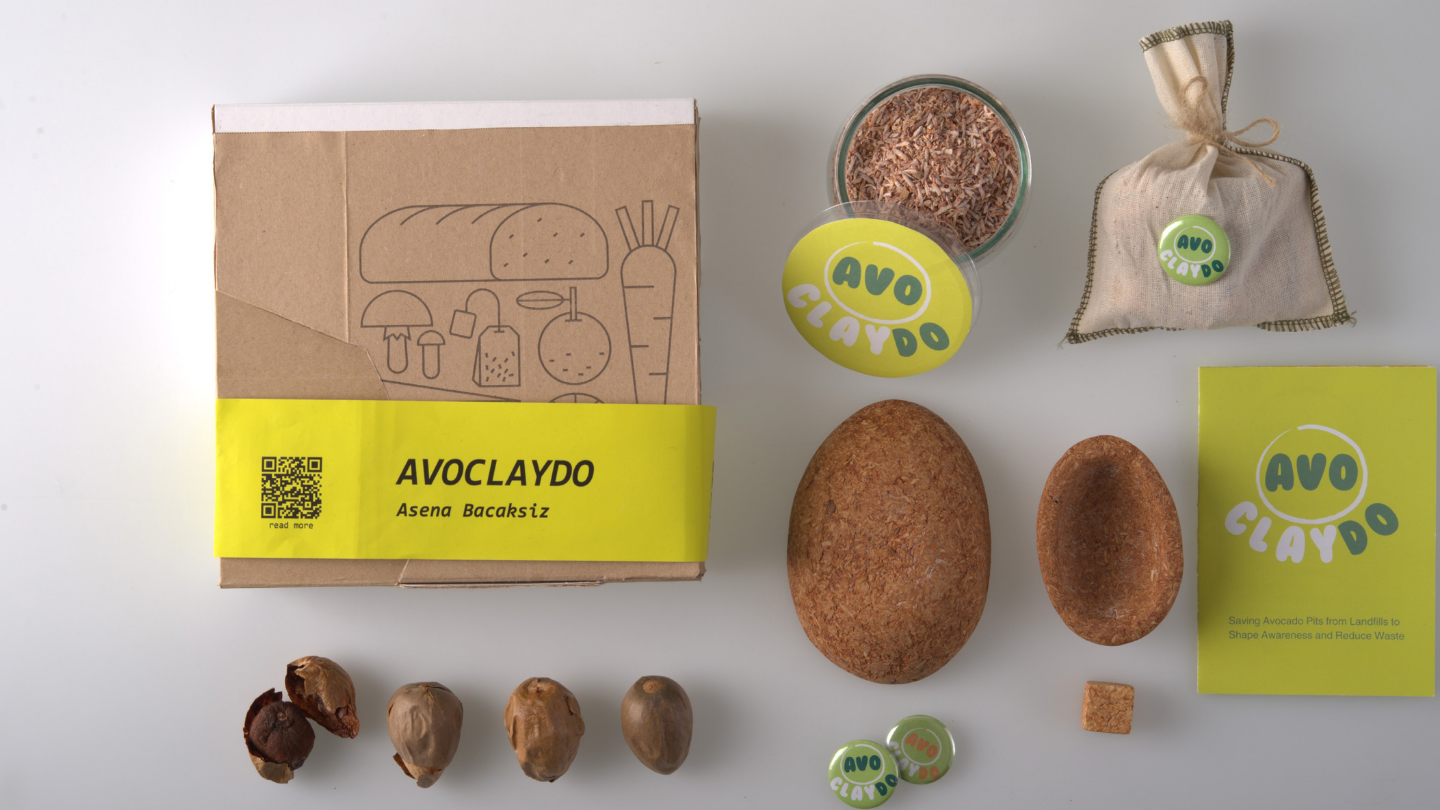
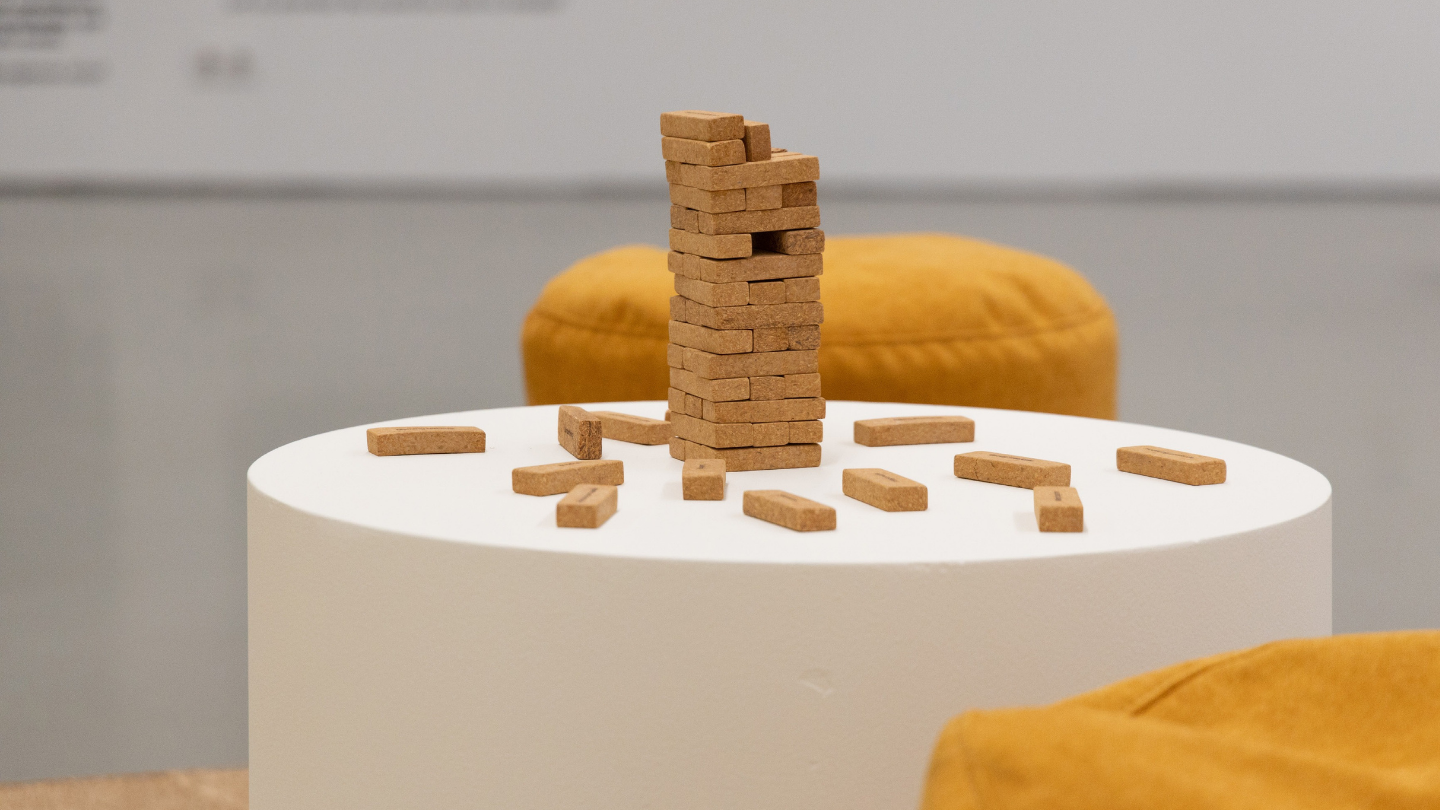
This project explores food waste as a starting point for material research and collective experimentation. Inspired by everyday practices of cooking and making, it focuses on the often overlooked avocado seed, transforming it into DIY biomaterials through accessible recipes. The concept is rooted in material driven design, where the behavior and qualities of the material guide the process. Technically, the project combines biofabrication methods using starch based binder and processed avocado seed powder. After forming and drying, the materials are further developed through laser engraving, integrating digital design tools with handcrafted processes. This combination highlights the value of craft while expanding its possibilities through precision and reproducibility. The process unfolds through participatory workshops and installations, where recipes are openly shared to support collective learning, positioning design as an evolving practice that connects material knowledge, digital tools, and community engagement.
What do you think makes your project innovative compared to the existing efforts and ideas in the field it addresses?
What makes this project innovative is its alignment with design as a tool for cultural shift, education, and collective agency rather than solely sustainable production. Responding to the call for more just, resilient, and humane futures, it reframes food waste through participatory, material driven processes that engage people directly in cycles of transformation. Instead of proposing a finalized product, the project creates spaces, workshops, and open recipes that function as platforms for collective action and learning. It connects food systems, waste reduction, and local material knowledge with hands on experimentation, supporting awareness and behavioral change in everyday practices. By combining craft based biofabrication with digital tools such as laser engraving, it highlights human centred making while encouraging accessible, shared knowledge. In this way, the project contributes to regenerative thinking, community engagement, and education, fostering more responsible relationships between people, materials, and ecological systems.
Does it impact or reflect young people need(s) and how?
This project responds to young people’s growing need for agency, participation, and meaningful engagement with ecological issues. Many young people are aware of environmental crises but lack accessible ways to act beyond consumption choices. This work creates hands on opportunities to experiment, learn, and co create, transforming passive awareness into active involvement. Through workshops and open recipes, it supports skill building, creative expression, and collective learning, aligning with DIY and maker cultures that resonate strongly with younger generations. It also reflects a desire for community, shared experiences, and alternative ways of living that move beyond individualism. By connecting food waste, material experimentation, and collaborative processes, the project empowers young people to rethink everyday practices and see themselves as contributors to change. It aims to open space for critical thinking, and a sense of belonging within more sustainable and regenerative futures.