
Color the Quartier
CONCEPT
A collaborative review installation for the MuseumsQuartier
Our project Color the Quartier began with the goal of connecting two generations—young and old—through an interactive and creative installation. We wanted to explore how people experience the spaces of the MuseumsQuartier in Vienna and how color could express the different emotions felt in those places.
We started the process by walking through the MuseumsQuartier and observing how each area made us feel. We recorded our thoughts through sketches, maps, and color palettes. During this stage, we realized that our first maps were not very accurate. Some areas were difficult to find, and we didn’t notice how many smaller spaces there actually were. This helped us see that the Quartier can be confusing to explore, and we wanted our project to help people notice and connect with these hidden spaces.
We experimented with different ways of showing emotion through color. We tried color mapping on the ground, sketching layouts, and discussing how people of different ages might interact. Through drawing and visual mock-ups, we tested how materials could convey emotional responses. The idea to use recycled seatbelts came from our interest in sustainability and texture. It also introduced a playful, hands-on quality to the design.
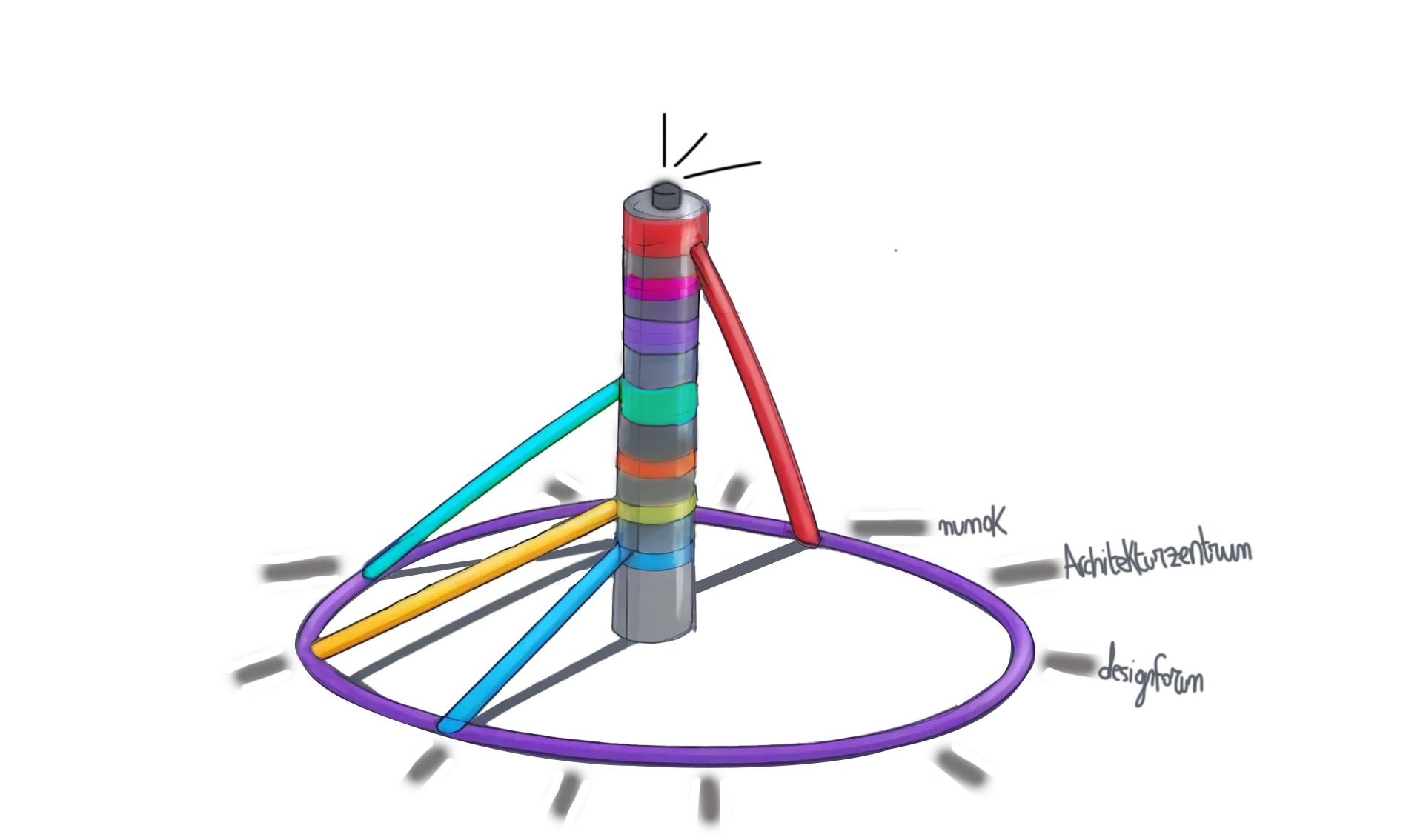
As our ideas developed, we created the concept of a “color pole,” where people could pull down colored strips that represent emotions such as happiness, curiosity, or fear, and connect them to specific places in the MuseumsQuartier. The climbing feature and button at the top were designed to encourage children to play, while older participants could engage through color and reflection.
Throughout the process, we used making as a way of thinking. Each drawing, model mock-up, and group discussion helped shape our final design. What started as a simple exploration of mapping and movement grew into a collaborative installation that allows people to share how they feel within the MuseumsQuartier through color, curiosity, and collaboration.
Color the Quartier is an interactive installation designed to raise awareness of the spaces within the MuseumsQuartier while promoting collaboration and empathy among its visitors.
The installation consists of a central pole from which eight differently colored seatbelts extend, each representing a distinct emotion. The pole also features a metal ladder and a button at the top. Around the base of the pole, a circular layout displays eleven stripes/directions, each corresponding to one of the MuseumsQuartier’s main locations.
Here’s how it works: a child climbs the ladder and presses the button at the top of the pole. When activated, a seatbelt emerges in a randomly assigned color, each color symbolizing a specific emotion. The child, together with a collaborator, then decides which location within the MuseumsQuartier evokes that emotion for them. The collaborator attaches the seatbelt to the chosen point on the ground, linking the emotion to that place.
This is an activity that can only be done with at least two people—one pressing the button and the other attaching the seatbelt to the ground. This process encourages collaboration between people of different ages (e.g., children with adults or elderly participants) while simultaneously creating an evolving emotional map of the MuseumsQuartier. Once all emotions have been assigned, the seatbelts automatically retract back into the central pole.
To enhance the installation, sensors could record how often a particular emotion is assigned to a location, generating a database of emotional responses for the MuseumsQuartier.
The installation is located in the MuseumsQuartier’s main square. Visitors can observe the emotional impressions left by others and contribute their own, actively shaping a shared narrative of the space.
With a maximum height of 3 meters (ensuring safety for children), the installation’s goal is to foster spatial awareness and provide not only a geographical map but also an emotional and inclusive one for the MuseumsQuartier.
TEAM
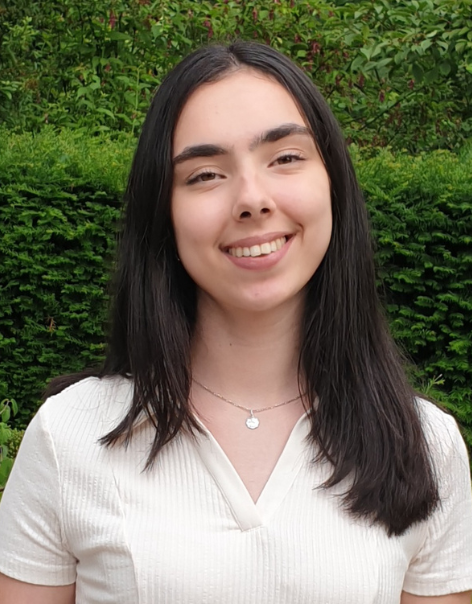
Iris Ribeiro is a 23-year-old designer from the northern part of Portugal, with a background in science and technology, specializing in physics and biology. She decided to follow her passion for design and completed both a bachelor’s and master’s in product design at the Faculty of Architecture, University of Lisbon. She has been working in design studios and freelancing for several years. Her hobbies include gardening, IQ puzzle solving, sewing, and visiting museums—activities that she believes greatly influence her design process. These hobbies are reflected in her thoughtful and problem-solving approach to design.
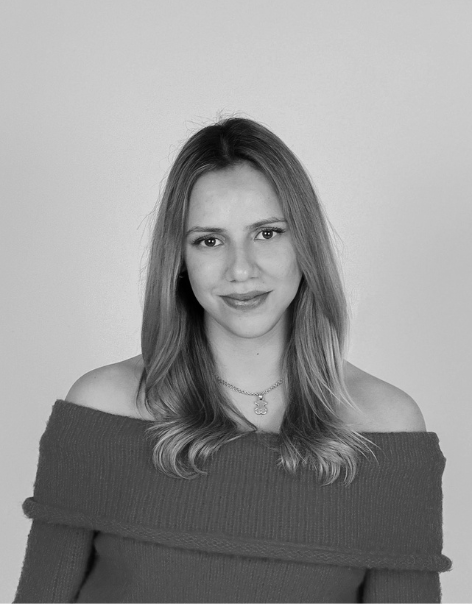
Lucy has always been drawn to challenges, and right now, she is taking on one of the biggest—creating sustainable textile solutions as the co-founder of Tera Mira. With a background in bioengineering, she is not just interested in advocating for change but in actively building it. Her work focuses on developing genuinely sustainable alternatives to reduce the environmental and social impact of the textile industry.
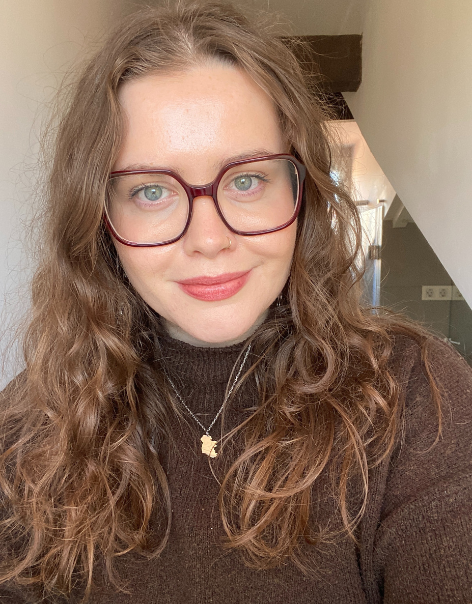
Robyn Brown-Burke textiles designer from Ireland, specialised in weaving. She is passionate about sustainability and sourcing locally. Robyn creates fabrics for homeware. She advocate for “slow” making as it’s important to be more mindful while living in a fast paced world. The fabrics she makes are environmentally conscious, that holds meaning & the fabrics will eventually return back to the earth. She is passionate about circular design, this underpins her making process. She aspires to keep creating regenerative textiles to be a part of this growing movement.
Federica Breedveld Bortolozzo is an industrial designer with a strong focus on sustainability and social impact. With Italian and Dutch roots and a deep passion for cultures and languages, she creates designs that foster awareness, inclusion, and change. Her work has been exhibited at the London Design Fair (2023), ‘SaloneSatellite’ during Milan Design Week (2023, 2024), and in various London galleries. She holds a BA from IUAV University of Venice and an MA in Industrial Design from Central Saint Martins, London, where she graduated with distinction. Federica has received multiple awards, including the ‘Nuovo Grand Tour’ grant (2023) and ‘Premio Barcellona’ (2024), recognizing her as an emerging Italian designer specializing in sustainable design.
PROCESS
The Concept
The concept began with addressing spatial awareness in the MuseumsQuartier. When we first arrived in the space, we found it difficult to orient ourselves, and through conversations with others, we learned this was a shared experience.
From this logistical challenge, we developed an idea that goes further: creating a platform that not only helps visitors navigate but also encourages interaction. We wanted to design a way for different groups of people arriving at or leaving the surrounding museums and exhibitions to connect. Our goal was to spark collaboration and conversation—a natural continuation after absorbing so much art, history, and design.
Our installation achieves this by combining orientation with participation. It provides clear directions to exhibitions relative to the center of the quarter, helping visitors understand the space more intuitively. At the same time, it invites them to share how they felt in different locations. This is done through a playful “voting” process: one person climbs the central pole (often a child takes on this role), releasing a color that corresponds to an emotion. To finalize the vote, the climber must recruit someone else to lock the emotion into its position on the map.
In this way, navigation becomes more than a tool—it becomes a collaborative experience that fosters connection, dialogue, and creativity among visitors. As people encounter the emotions others have left behind, they may feel inspired to explore new places themselves—guided not only by maps but by the feelings and experiences of fellow visitors.
The Project
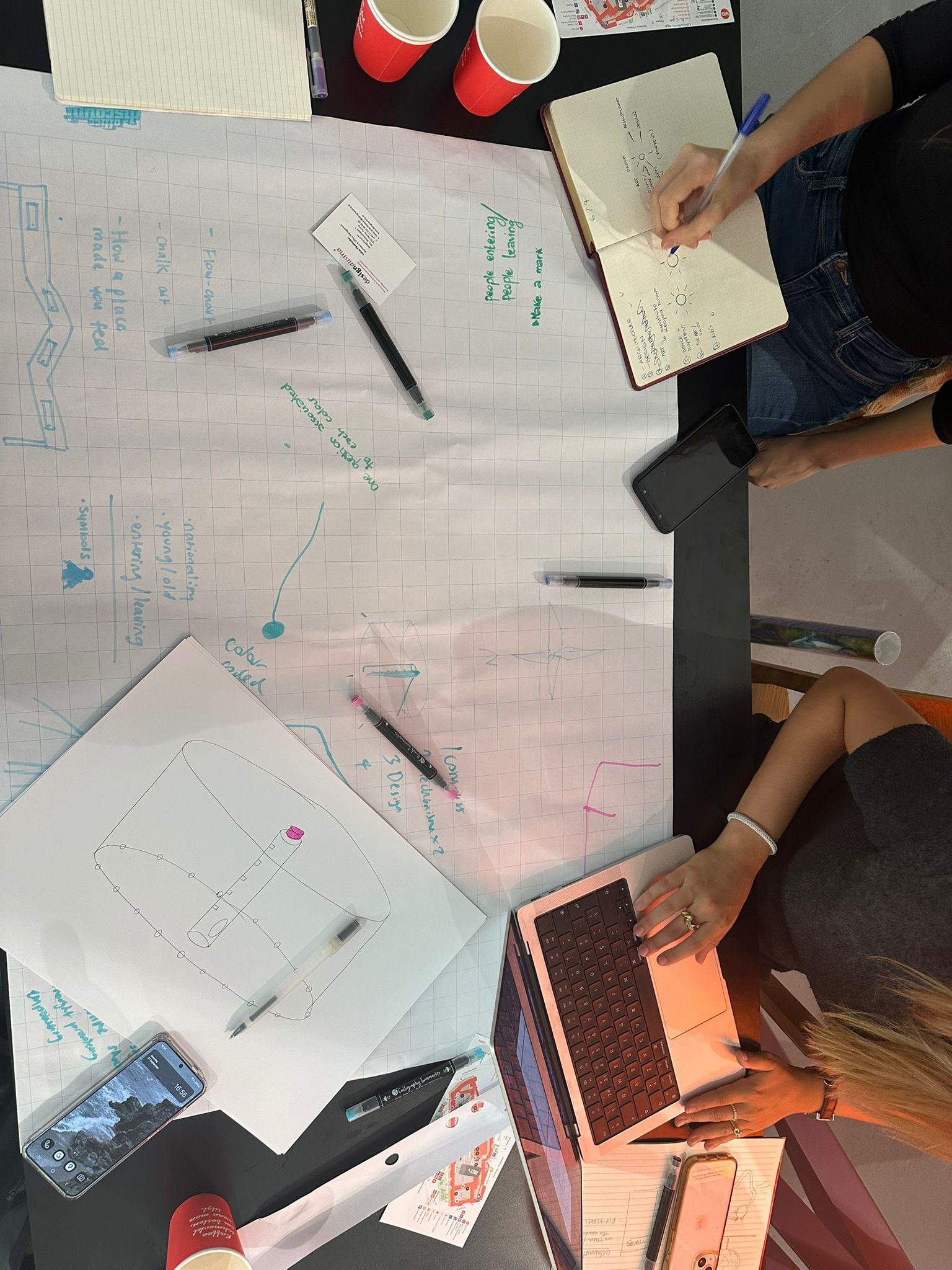
Our project Color the Quartier began with the goal of connecting two generations—young and old—through an interactive and creative installation. We wanted to explore how people experience the spaces of the MuseumsQuartier in Vienna and how color could express the different emotions felt in those places.
We started the process by walking through the MuseumsQuartier and observing how each area made us feel. We recorded our thoughts through sketches, maps, and color palettes. During this stage, we realized that our first maps were not very accurate. Some areas were difficult to find, and we didn’t notice how many smaller spaces there actually were. This helped us see that the Quartier can be confusing to explore, and we wanted our project to help people notice and connect with these hidden spaces.
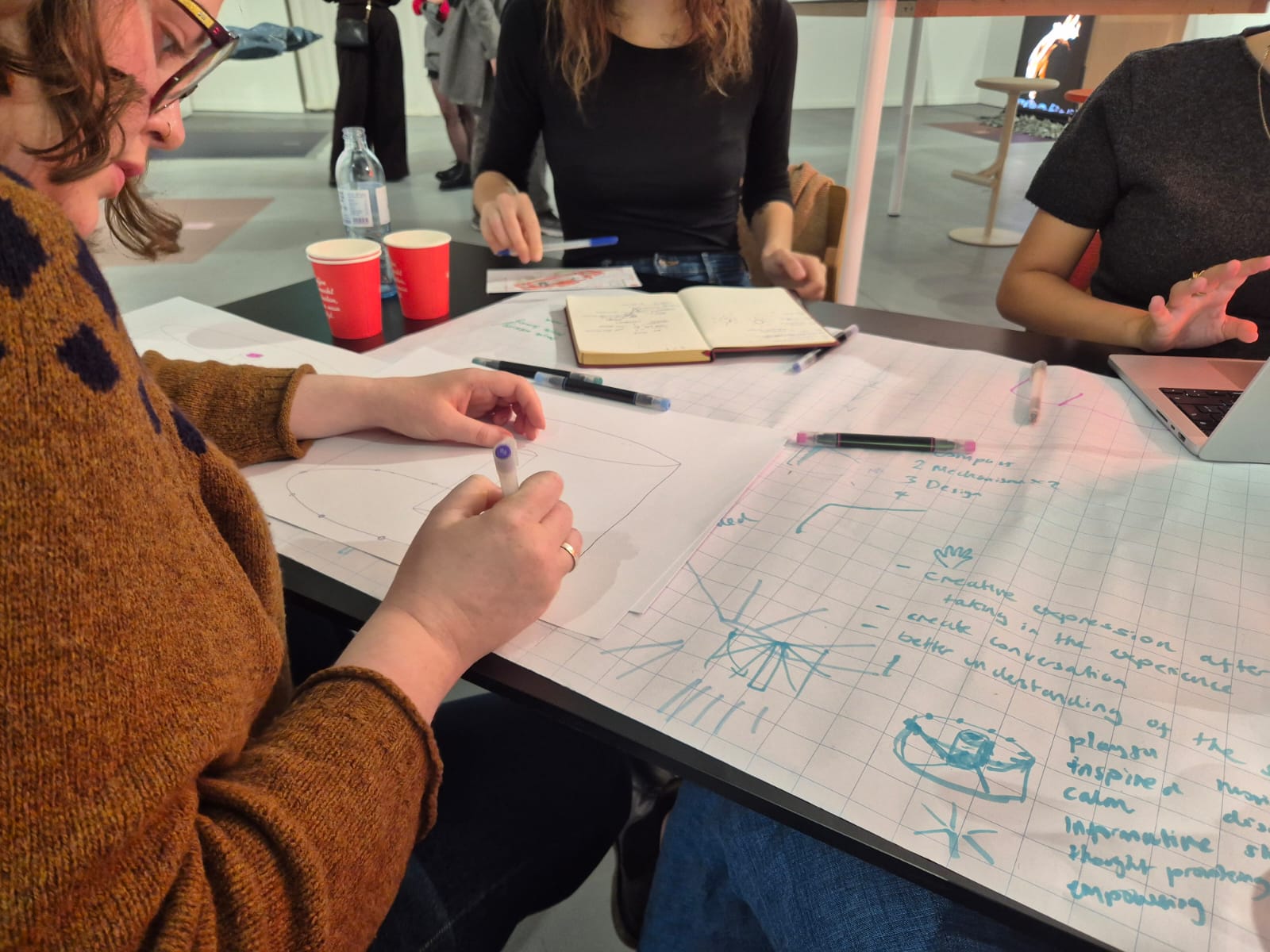
We experimented with different ways of showing emotion through color. We tried color mapping on the ground, sketching layouts, and discussing how people of different ages might interact. Through drawing and visual mock-ups, we tested how materials could express emotional responses. The idea to use recycled seatbelts came from our interest in sustainability and texture. It also introduced a playful, hands-on quality to the design.
As our ideas developed, we created the concept of a “color pole,” where people could pull down colored strips representing emotions such as happiness, curiosity, or fear, and connect them to specific places in the MuseumsQuartier. The climbing feature and button at the top were designed to encourage children to play, while older participants could engage through color and reflection.
Throughout the process, we used making as a way of thinking. Each drawing, model mock-up, and group discussion helped shape our final design. What started as a simple exploration of mapping and movement grew into a collaborative installation that allows people to share how they feel within the MuseumsQuartier through color, curiosity, and collaboration.
EXPERIENCE
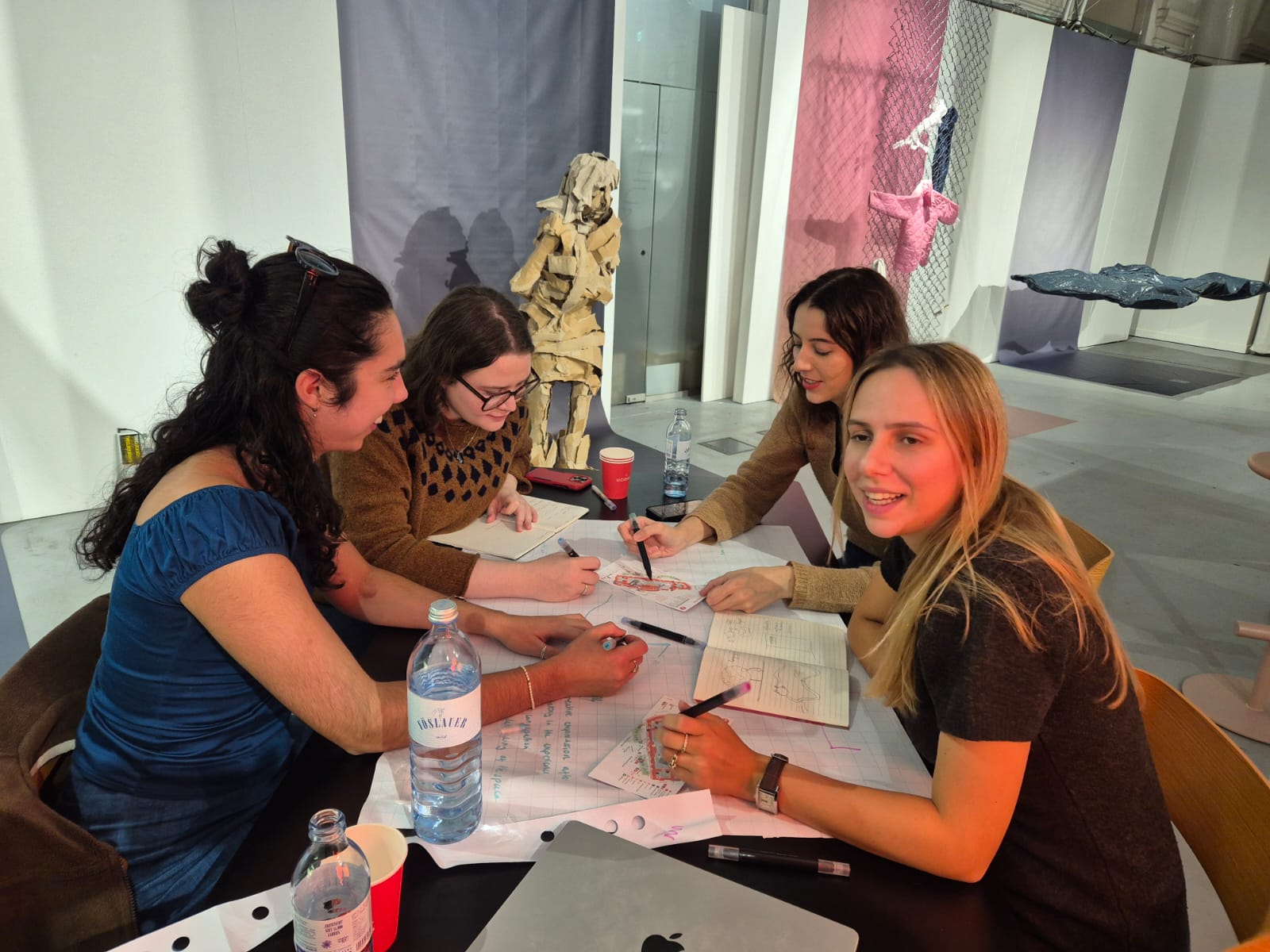
This initiative allowed us to experience Vienna not only through a tourist lens but also through a professional one. It showed us that being a designer today has no geographical borders or single area of intervention, and how rich our profession can be when we work and learn from each other—especially when designing with inclusivity in mind, creating experiences that invite everyone to participate and connect.