
UNDERLAY
CONCEPT
A multispecies Urban Aquatic Habitat designed for the riverside areas of Vienna · More river, together.
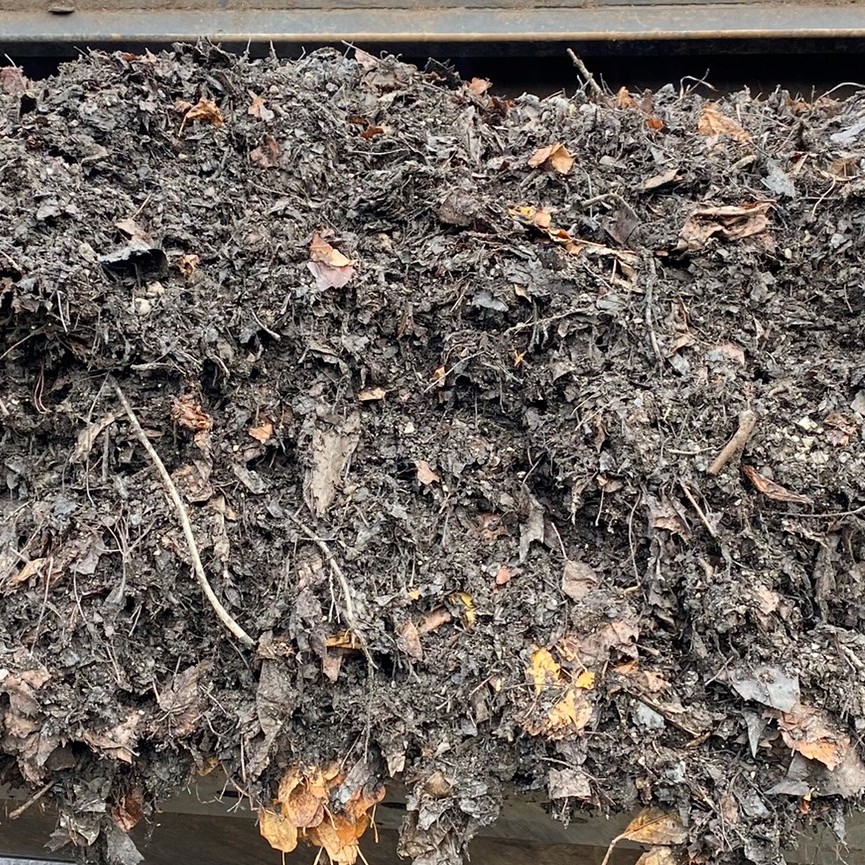
What you notice first in Vienna is how clean and efficient it feels. The streets are tidy and the city seems to run itself. Behind that impression is a quiet daily routine. What is collected by the sweepers through the daily cleaning (grit, sand, dust, leaves) disappears from view, ending up in piles of unavoidable waste.
Meanwhile, summers are getting hotter, with growing pressure on the biodiversity of the riverside ecosystem, along with the rising demand for refreshing areas for the citizens of Vienna.
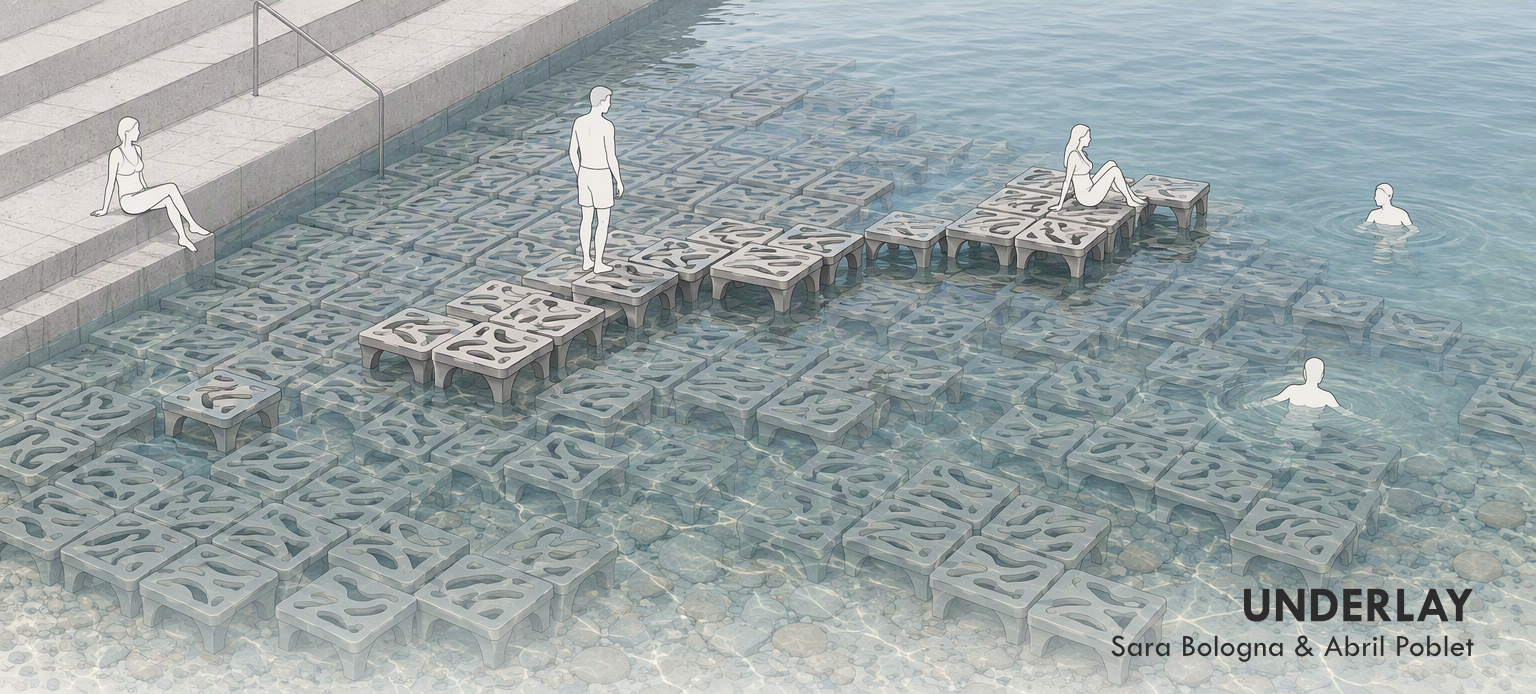
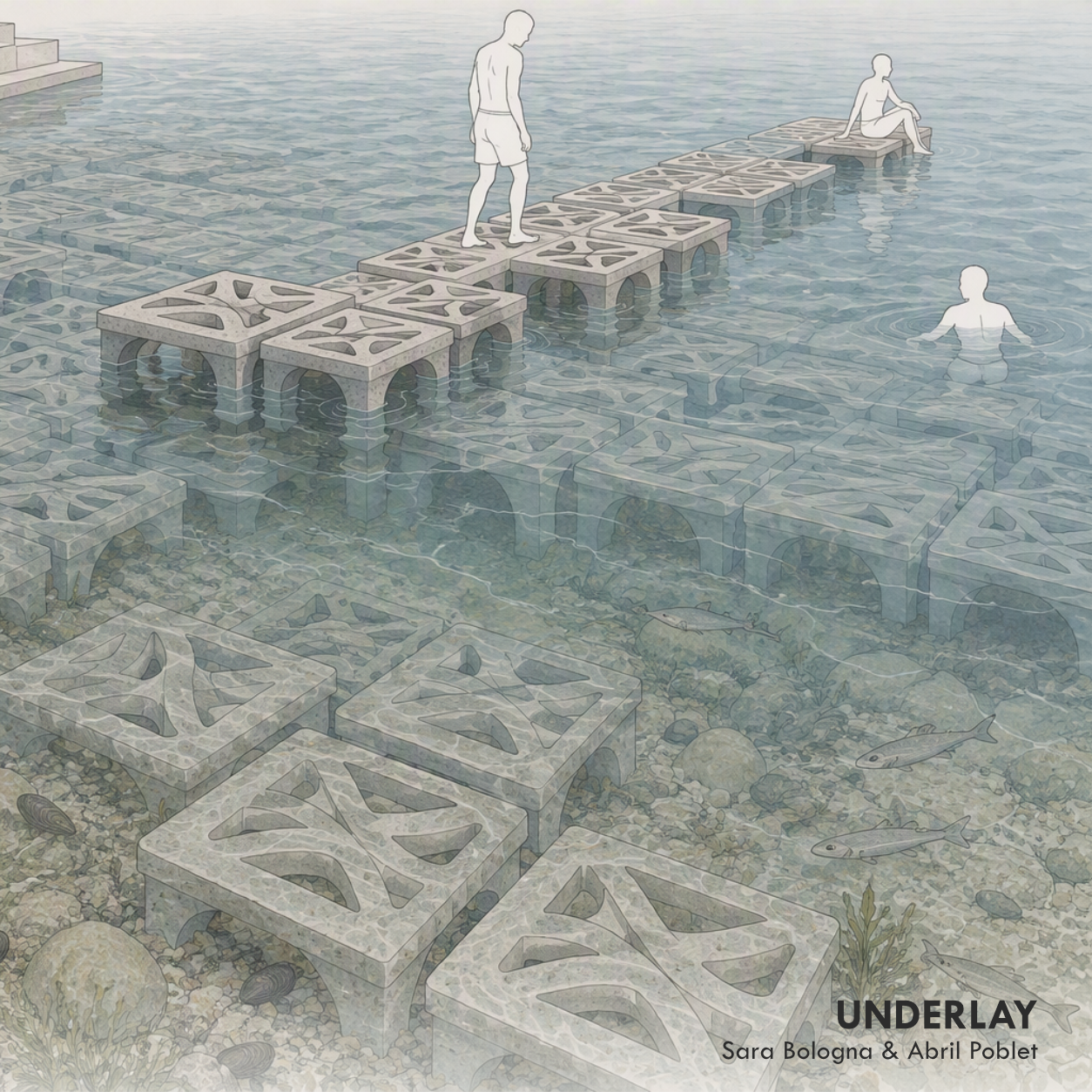
UNDERLAY is a project that connects the two issues through a regenerative design approach. Its modular tiles are cast in a concrete-based composite that uses recovered street sweepings as aggregate material. Laid in the shallows, they form bathing infrastructure on top and sheltered ground below for the preservation of native freshwater mussels.
Vienna already has enough cleanliness. What it could use more of is more river to share, together.
TEAM
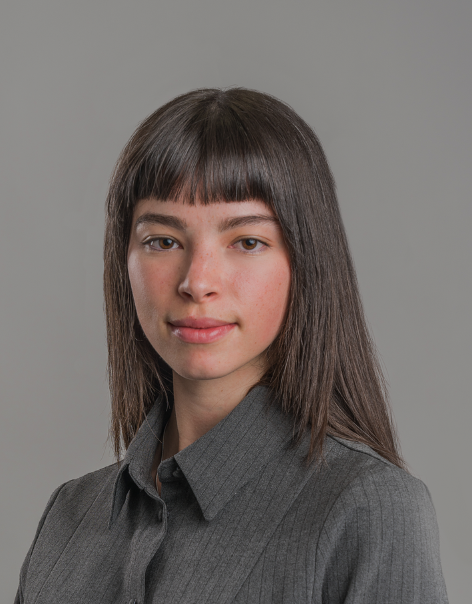
Sara Bologna is a Milan-based designer and researcher working at the intersection of material cultures, situated practices and narrative design. Her practice is highly material- and context-driven, seeing objects as narrative media surfacing stories and values to support systemic change. She collaborates with Politecnico di Milano on design-driven innovation of traditional crafts, and consults for companies and NGOs in craft and contemporary design.
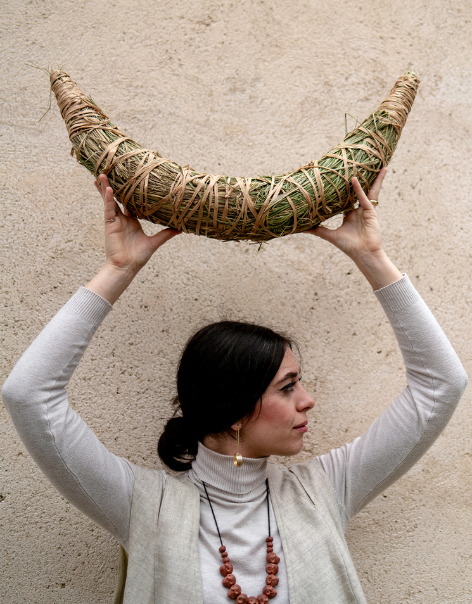
Abril Poblet Baringo is a Barcelona-based industrial design engineer specialised in marine environments and bio-inspired design. Her practice combines environmental research, design and computational fluid dynamics to develop solutions for aquatic and coastal ecosystems. With experience in marine engineering and ecological restoration, her work explores how design can respond to environmental challenges while creating positive interactions between human activity and natural systems.
PROCESS
The unavoidable waste: Street sweepings
Street sweepings (Straßenkehricht) are a hidden waste of any municipality management. In Vienna, they are forecast to be around 15,000 tonnes a year by 2030 [1]. The city lists them among the combustible waste streams suited to thermal treatment [2], even though their high mineral content gives them a very low calorific value [3], representing a technical and energetic difficulty for incineration [4]. A stream with so little energy to give adds very little to the energetic balance of the thermal treatment plants. We asked ourselves: isn’t there a better use to this resource, that could give it a higher value?
Biodiversity threats along the Danube
The Danube in Vienna is a regulated river. The works of 1870–75 turned its former main arm into a lake and cut off many of its backwaters, which today are shallow, slow-flowing and increasingly silted up [5][6]. They remain a rich habitat for fish, dragonflies and aquatic plants [5][6], and a place where Viennese go to cool down: the city has 17 official bathing sites on its Danube waters [7].
However, climate change is putting these waters under pressure. Summers now bring two to three weeks above 30°C [8], and summer water temperatures have been recorded at up to 28°C [9]. Longer droughts and falling water levels are drying out the shallow backwaters [6]. Warmer water also favours parasites [8], and native mussels, already in decline [10], now share the waters with invasive newcomers that pose a threat to their population [11].
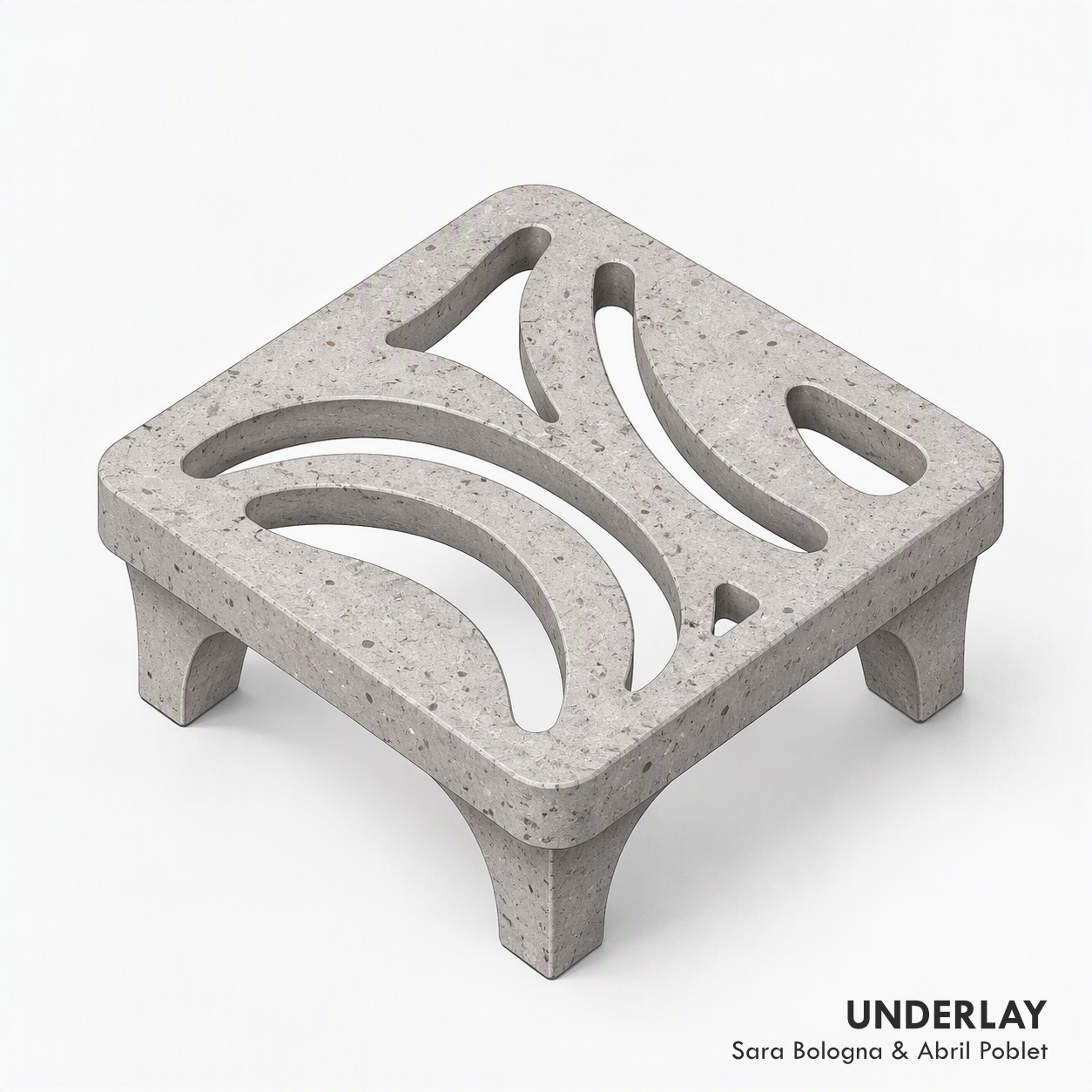
Freshwater mussels: ecosystemic sentinels
The river area is home to four native mussels (Unio pictorum, Unio tumidusm, Anodonta anatina and Anodonta cygnea) [10]. They live partly buried in soft sediment [12] and feed by filtering the water. This type of mussels are keystone species for specific food chains, and habitat engineers that improve water quality through filtration and nutrient cycling [13].
The mussels population has recently declined [10], and known pressures include river regulation [6] and invasive zebra mussels settling on their shells [14]. Their disappearance would be a loss for the river’s biodiversity, while thriving populations could help sustain the ecosystem and its water quality [13][15]. Moreover, since mussels accumulate heavy metals in their tissues, they can also serve as sentinels and allies in revealing pollution levels [16][17].
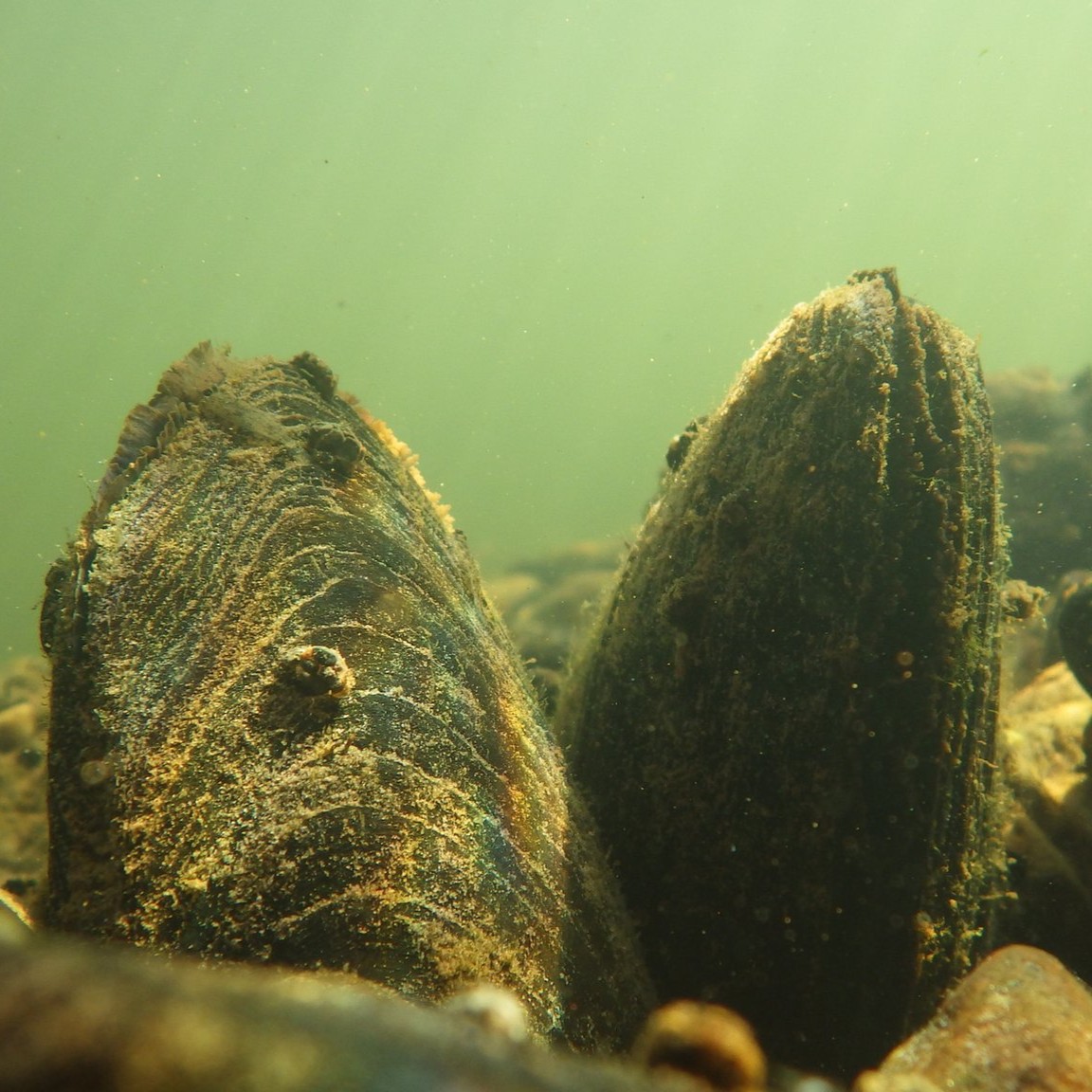
UNDERLAY: More river, together.
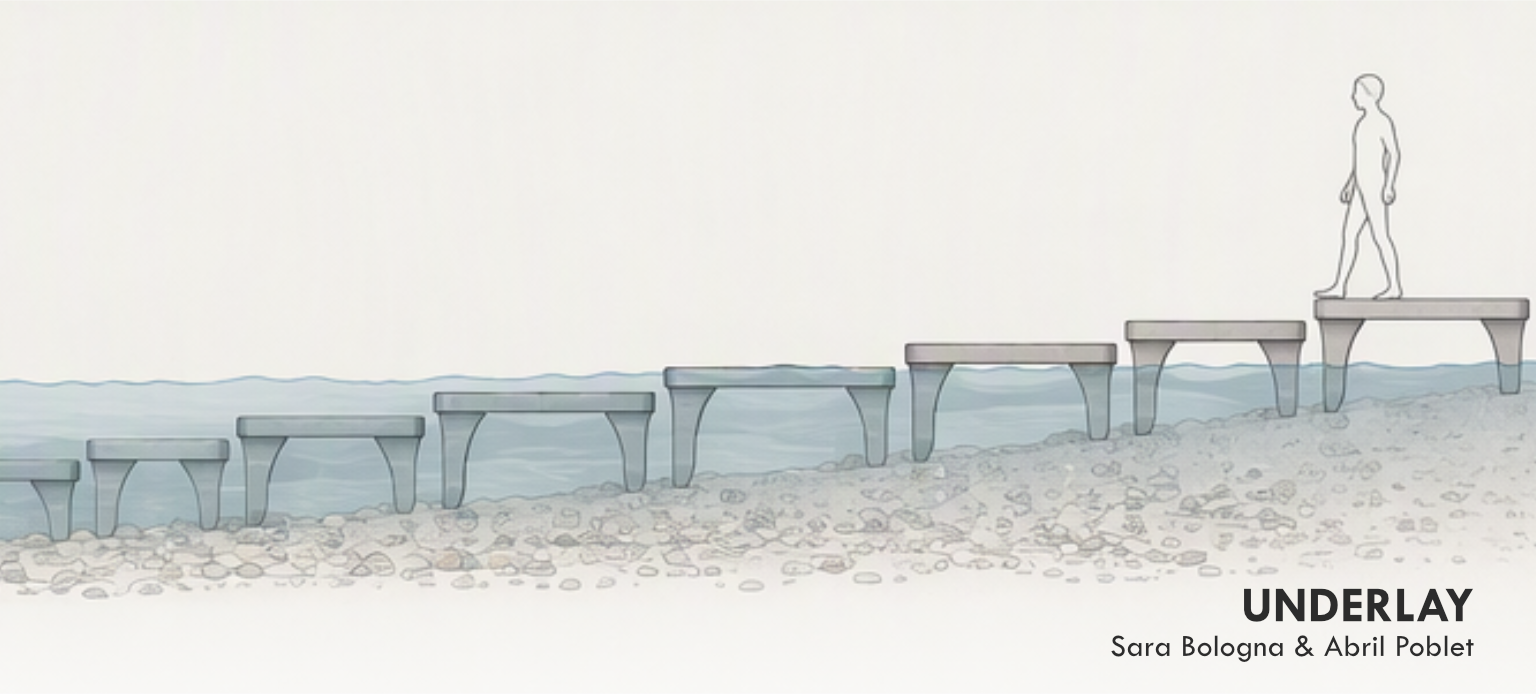
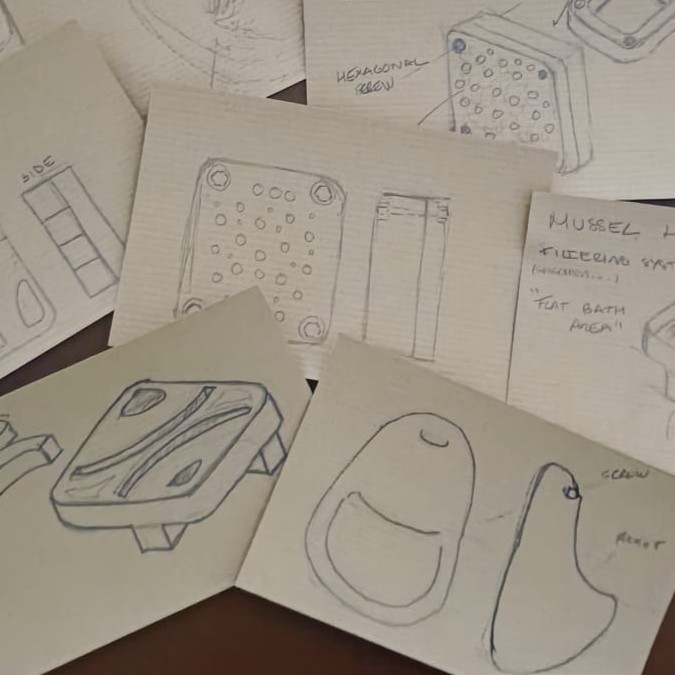
UNDERLAY is a modular system designed to enhance bathable areas in the Vienna urban area while sheltering native freshwater mussels. Each tile is a patterned slab raised on variable-height legs. Laid in the shallows of the river, the tiles form a surface where people can walk, sit and swim from. At the same time, the lower part of the tile is texturised to offer a habitat to native mussels. People stepping on the modules would support water movement and the circulation of nutrients for the mussels, creating a system that thrives on co-existence.
Each tile is cast in a cement-based composite in which recovered street sweepings replace part of the natural aggregate. Production follows four steps: (1) collection of the Straßenkehricht from Vienna’s streets; (2) separation of the mineral fraction from leaves and litter and to remove the fine particles, where contaminants concentrate [18]; (3) mix, mould and cure the tiles; (4) Installation in the river area, creating bathing infrastructure above and protected aquatic habitat below.
The system is designed to be modular, growing tile by tile and reconfigured as water levels and use change; and scalable, as the design allows for the production of up to 200 units per day with a moulding system.
References
[1] Umweltbericht SUP, Wiener AWP & AVP 2025–2030
[2] Monitoringbericht zum Wiener AVP/AWP 2019–2022
[3] Abfallratgeber Bayern, Straßenkehricht
[4] Bayerisches Staatsministerium, infoBlatt Straßenkehricht
[5] MA 45, Das Projekt LIFE+ Alte Donau (2016)
[6] Hein et al. (2023), Lower Lobau, Acta ZooBot Austria 159
[7] Stadt Wien, Badewasserqualität
[8] wien.ORF.at, Larven in Alter Donau sorgen für Ausschläge (23.7.2024)
[9] Sax (2025), Algal community structure in the Alte Donau, Univ. of Vienna (MSc thesis)
[10] Lobaumuseum, Aus vier mach eins: Sind die Großmuscheln in der Lobau am Ende?
[11] Lobaumuseum, Ja, es gibt (noch) Muscheln in der Lobau!
[12] Poznańska-Kakareko et al. (2021), Importance of substratum quality…, Sci. Total Environ. 799
[13] Lake-stream transition zones support hotspots of freshwater ecosystem services
(unionid mussels, 2021)
[14] Invasive zebra mussel threatens an exceptionally large population of the depressed river mussel…, Ecology & Evolution (2020)
[15] Naturschutzbund Österreich, Große Teichmuschel
[16] A global synthesis of ecosystem services provided and disrupted by freshwater
bivalve molluscs, Biol. Rev. 2022
[17] A Commentary on the Use of Bivalve Mollusks in Monitoring Metal Pollution Levels
[18] Characterization and Reuse of Residuals from Street Sweeping, University of Virginia
EXPERIENCE
Day 1
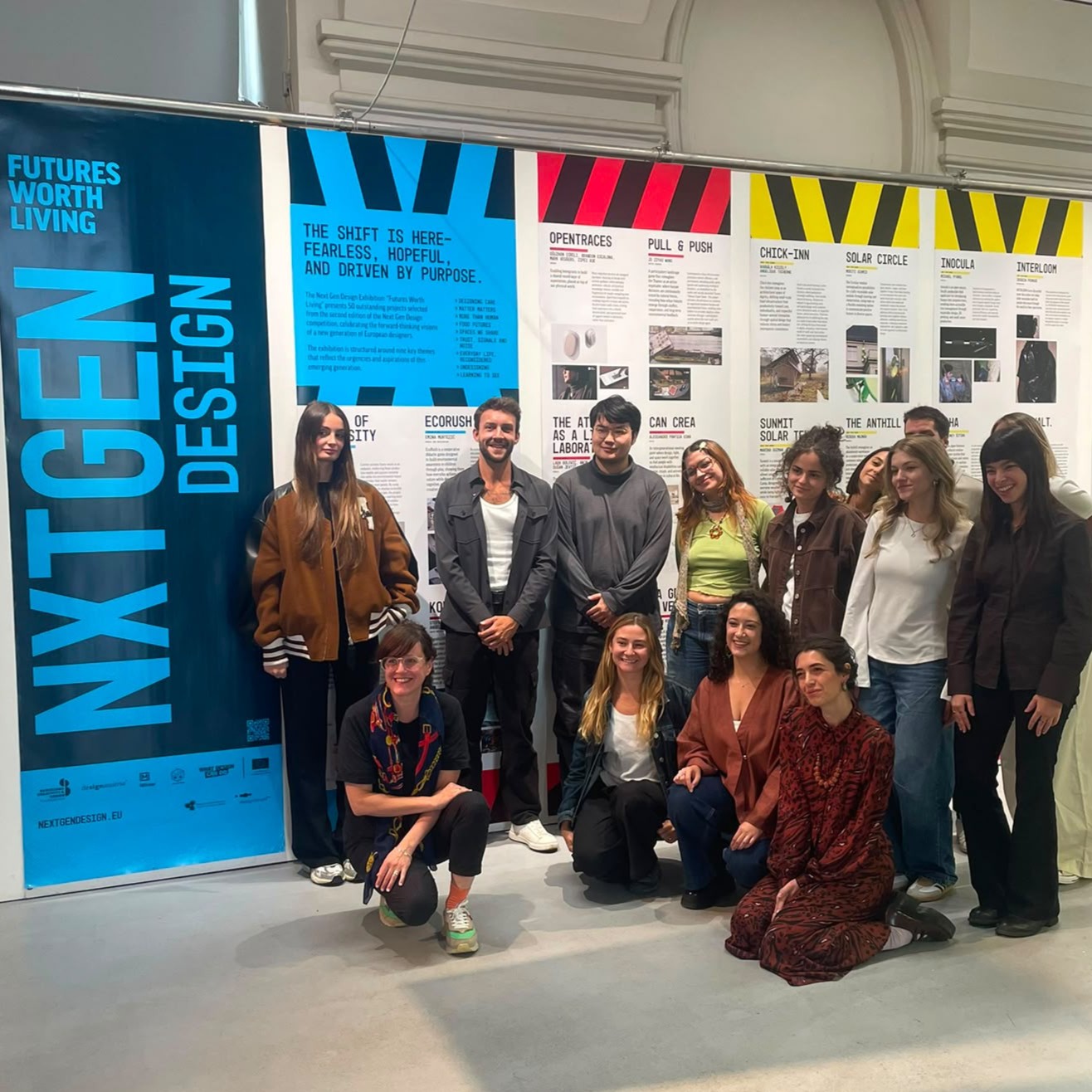
We started our NextGen Design Residency at the Design Forum in Vienna, where we were warmly welcomed and introduced to our design challenge for the following days: “Vienna already has enough”. An invitation to look at Vienna through a different lens and to discover value in things that already exist. The guest lecturer, Barbara Gollackner from Studio Barbara Gollackner, encouraged us to explore the city, identify overlooked resources or systems, and imagine how they could contribute to a more resilient and shared future. Reanne Leuning from ADVANTAGE AUSTRIA added informative insights into Austria’s vibrant creative industries. Excitingly enough, we -Sara and Abril- were paired. Coming from very different worlds, Sara from crafts and community, and Abril from marine engineering, the challenge of designing something together became even more stimulating. At that point, we only knew that we were not supposed to arrive with a finished idea, but rather to explore Vienna and let the city itself give us something to work with.
Day 2
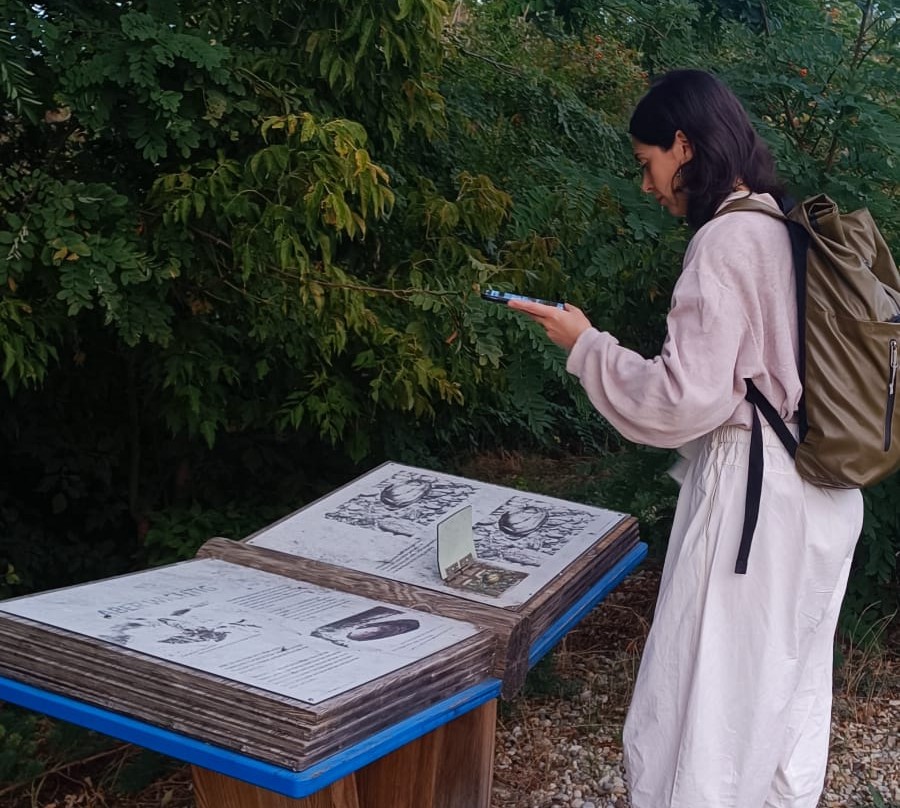
The second day started with a visit to EOOS Design Studio and a talk by Juan Umbert from Makeat, which provided inspiration for deepening research with method and intention. After the guided tour of our exhibition, we went out to explore Vienna and, especially, the riverside area. Since Abril has experience working with water-related projects, we had a feeling this could be a good starting point for our research. We were fascinated by the biodiversity around the river and, especially, by the role of mussels as natural filter feeders. At the same time, coming from Barcelona and Milan, we were struck by how clean Vienna’s streets were. This made us wonder what happened to all the material collected by street cleaning. We discovered Straßenkehricht, the waste collected from street sweeping, and started thinking about how this overlooked resource could be given a new value. At the same time, we became interested in the growing relationship between people and the river as hotter summers make urban bathing increasingly common. By the end of the day, we had two starting points: street waste and river biodiversity, and began looking for a way to connect them.
Day 3
On the third day, after treating ourselves with a nice flea market visit and a delicious lunch, we sat down and began sketching, brainstorming and connecting all the ideas we had gathered so far. The project started becoming more concrete, and by the end of the afternoon, our ideas were clear, the presentation for the jury was ready. We felt as if things were meant to fall into place, and all we had to do was trust the process, our instincts, and our partner’s expertise. We could finally relax and enjoy our last evening in Vienna together with the whole group.
Day 4
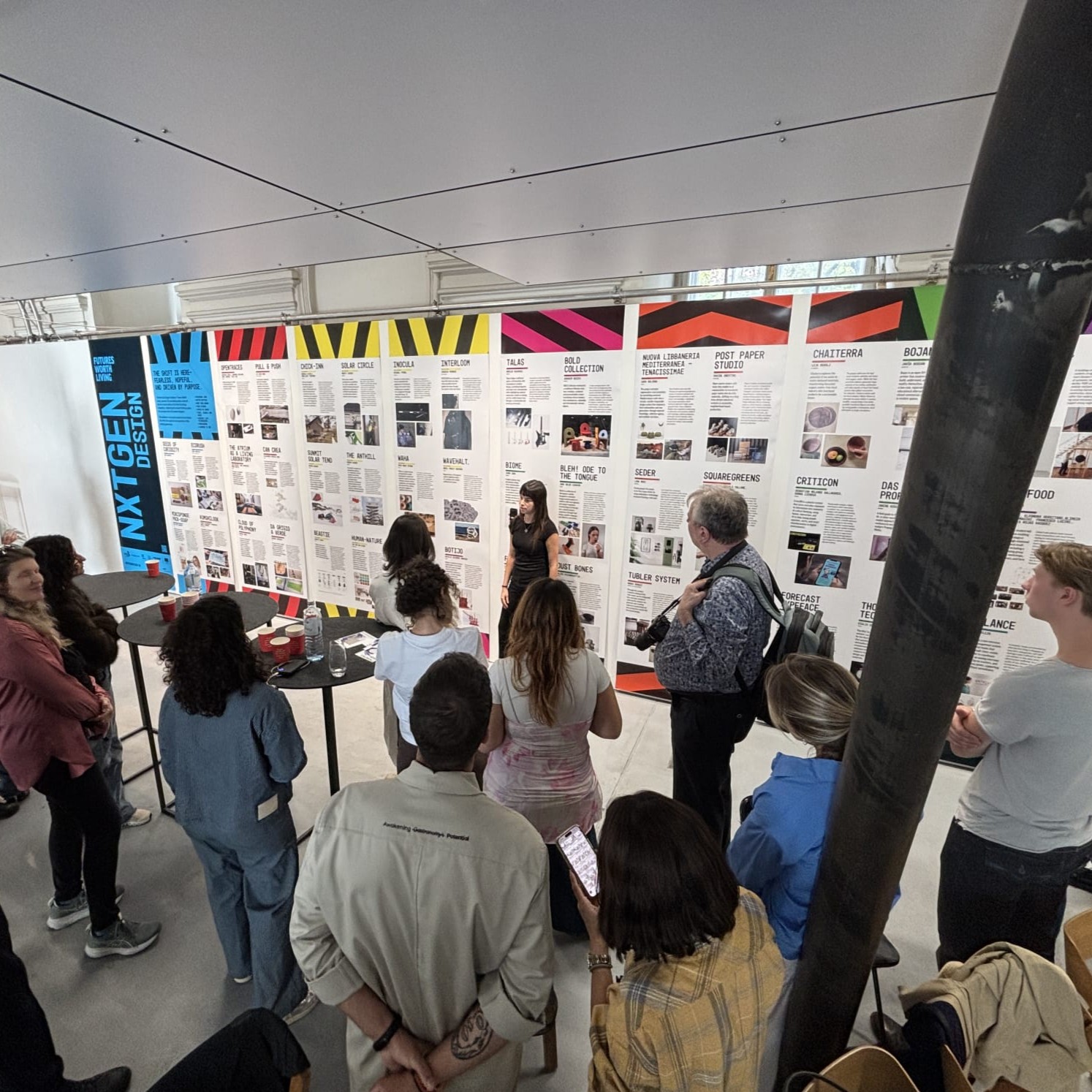
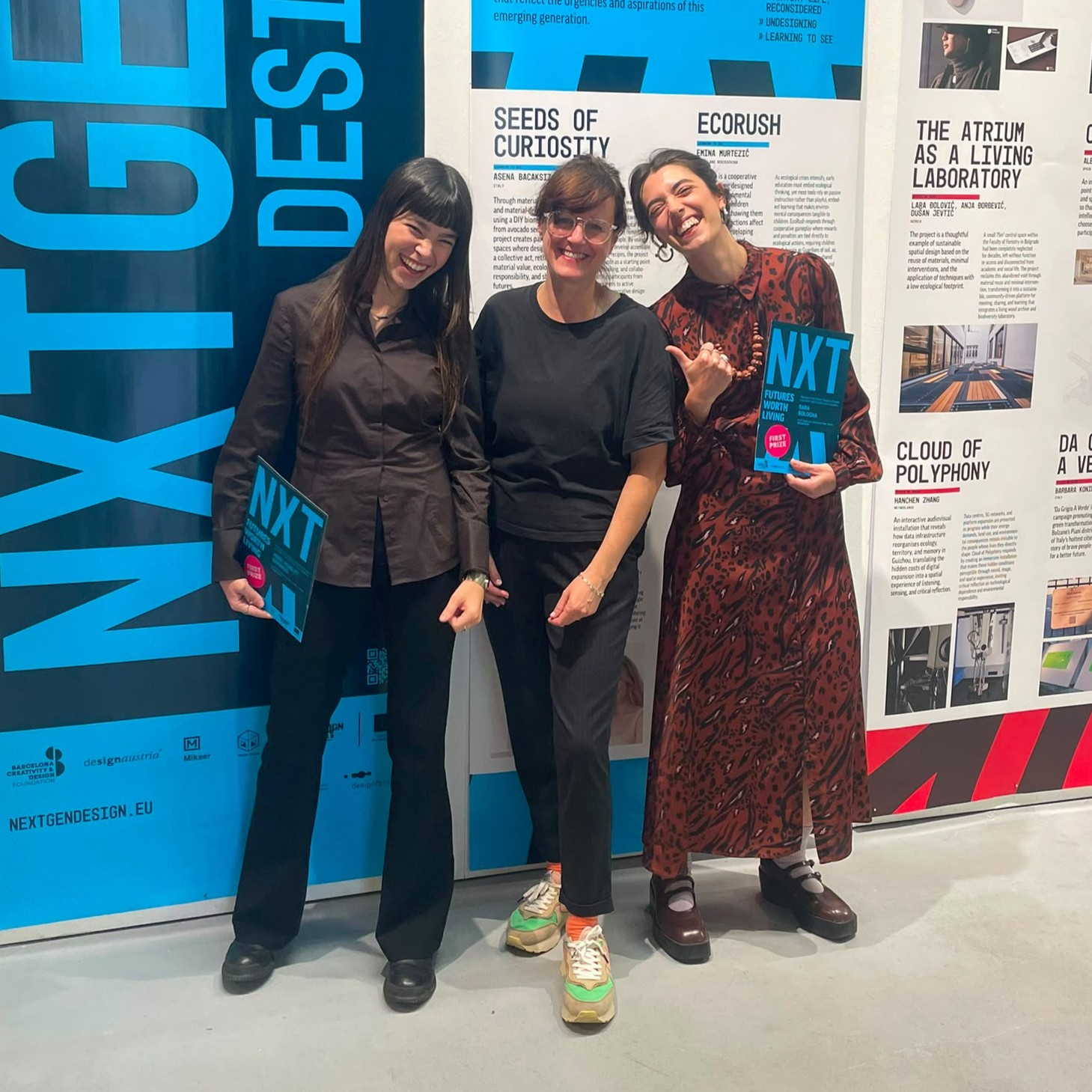
On the last day, we packed our things and went straight back to the Design Forum for the final presentations. Everyone had developed really interesting proposals, with such a high level of quality that it was impossible to know what the final result would be. We were especially proud of all our friends and what we had created together during those few days. After the presentations, we spent some time together, talking and sharing some food, before the winner was announced. We were incredibly happy to receive the first prize with our proposal. We are very grateful to Design Austria, and especially to Tamara and her team, for making these days such a welcoming and inspiring experience. We also really appreciated all the conversations, contacts and friendships we are taking home with us. Most importantly, we are leaving Vienna with a project we genuinely love. And a very special memory of these four days together.