Analog Convenience
CONCEPT
Call to Gather!
A FUTURE WHERE DISCONNECTING ACTUALLY BROUGHT US CLOSER TOGETHER
Imagine a future in which Eindhoven and the entire Noord-Brabant province go offline for a weekend every month. How would people spend their free time or find things to do? How would they connect with others?
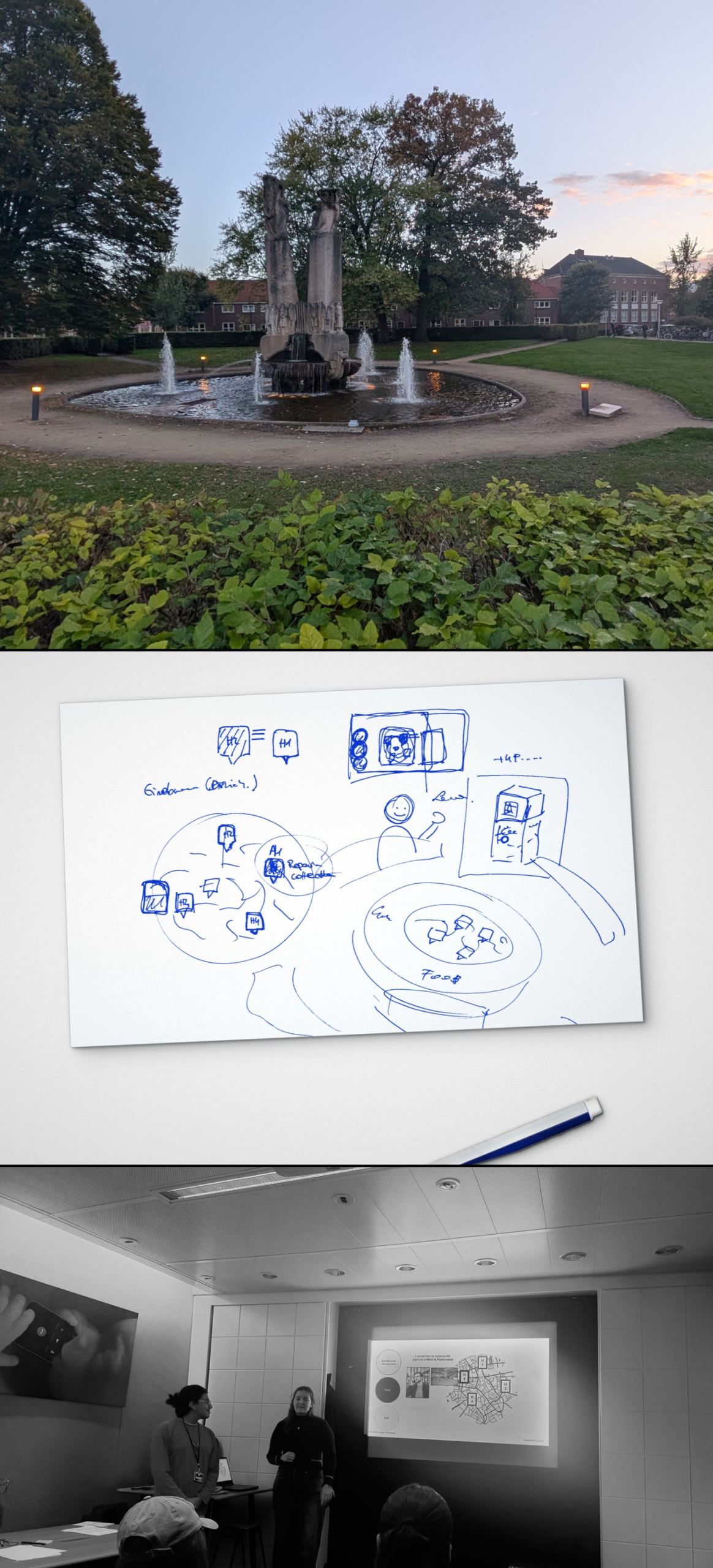
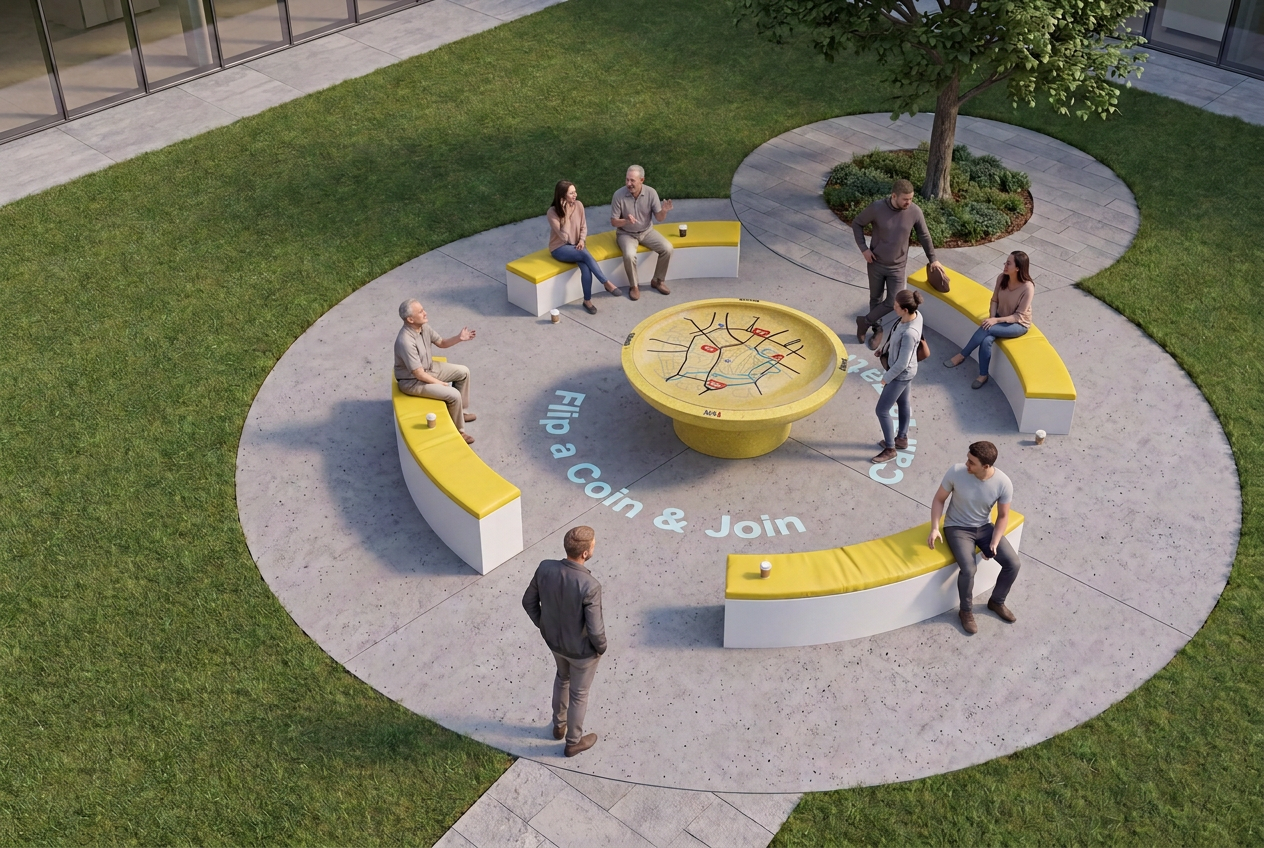
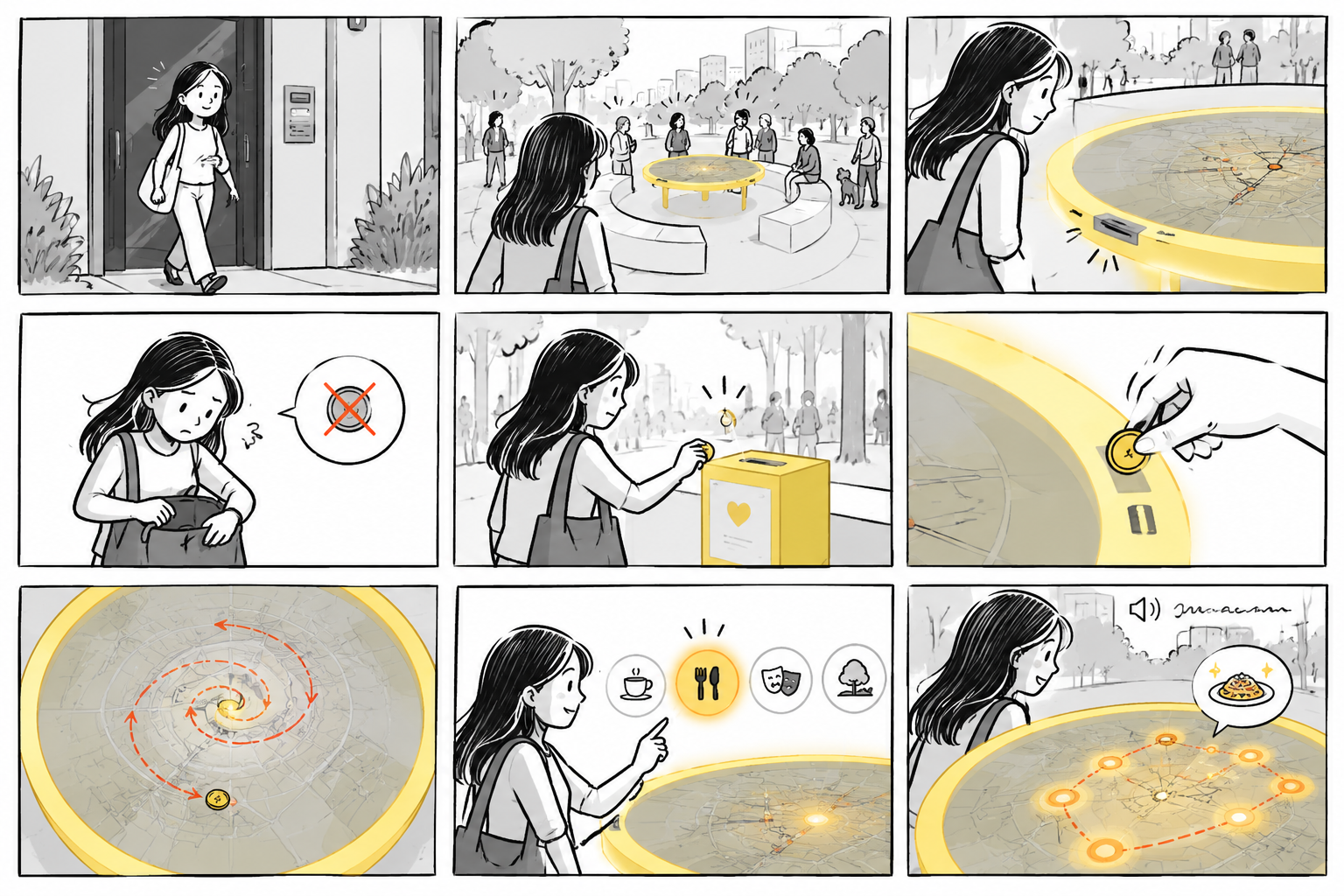
Taking inspiration from a time when public fountains were places to collect water, share stories and meet people, ‘The Fountain’ brings this concept into the future. By simply tossing a coin, people can discover local activities, explore their surroundings and meet others along the way. This creates room for curiosity and unexpected experiences, while the physical element and organisation provide convenience.
TEAM
I am an curious industrial design student with a passion for exploring user needs, understanding complex systems, and creating new processes. My background in innovation and product management, as well as my studies at fashion school, has taught me to view product development holistically, from initial concept to final market launch. An internship at a world-leading healthcare company in prosthetics showed me the way to pursue a bachelor’s and finally a master’s degree in industrial design. Since then, I have been working intensely on exploring design solutions, focusing on developments with people, for people, and for the planet.
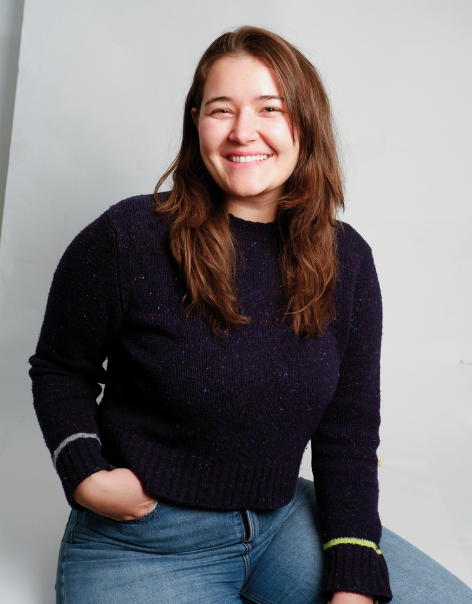
Designer who is constantly questioning how and why things work the way they do. His approach is grounded in curiosity, research, and a need to understand what sits behind people’s decisions, especially in digital environments. Originally from Colombia and now based in Barcelona, his experience as a migrant has shaped how he sees culture, context, and the way people relate to information. He is not particularly interested in polishing solutions, but in uncovering tensions, contradictions, and behaviors that often go unnoticed. Through his work, he explores how design can shift perspectives, challenge assumptions, and create more conscious ways of interacting with the world, rather than just making things smoother or faster.

PROCESS
FROM AN EXTREME FUTURE TO SMALL CHANGES
ANALYSING OUR DIGITAL HABITS, IMAGINING A WORLD OFFLINE, SCALING IT DOWN TO ONE WEEKEND A MONTH
We started by analysing our current interactions with digital tools. This made us realise that most activities had become easier and more convenient thanks to technology. However, with immediate answers to our questions, perfect navigation to our desired destinations, and food delivered to our doorstep at the touch of a button, our ability to process information to find our own answers, to live with uncertainty when the way is unclear, and to start conversations with strangers has become a skill that we no longer use as often and are starting to lose.
From this point, we imagined an extreme scenario in which the whole world loses internet access for a month, in order to encourage people to regain the skills they have lost due to the convenience of digital tools. However, considering our growing dependence on digital technology and AI, we realised that such a drastic change would have a panicking effect on people rather than encouraging them to adapt. Instead, we explored a more preferable future: going offline for one weekend every month. This would give us the opportunity to design small interventions that could fill the gaps left by digital convenience. These interventions would encourage people to become more independent, reconnect with their surroundings and strengthen their problem-solving skills.
BRINGING OLD IDEAS INTO THE FUTURE
FOUNTAINS, WISHING WELLS AND MAGIC MIRRORS AS MEETING POINTS FOR TOMORROW
We drew inspiration from various concepts, such as public fountains as historical meeting points, wishing wells where people toss coins in the hope of good fortune, and magic mirrors that provide unexpected answers. We also observed Eindhoven’s public spaces and noted that parks, playgrounds and open areas could naturally serve as gathering points in almost every neighbourhood. By combining these concepts, we envisioned a familiar public object with a new purpose: to help people discover their surroundings while fostering spontaneous human connections.