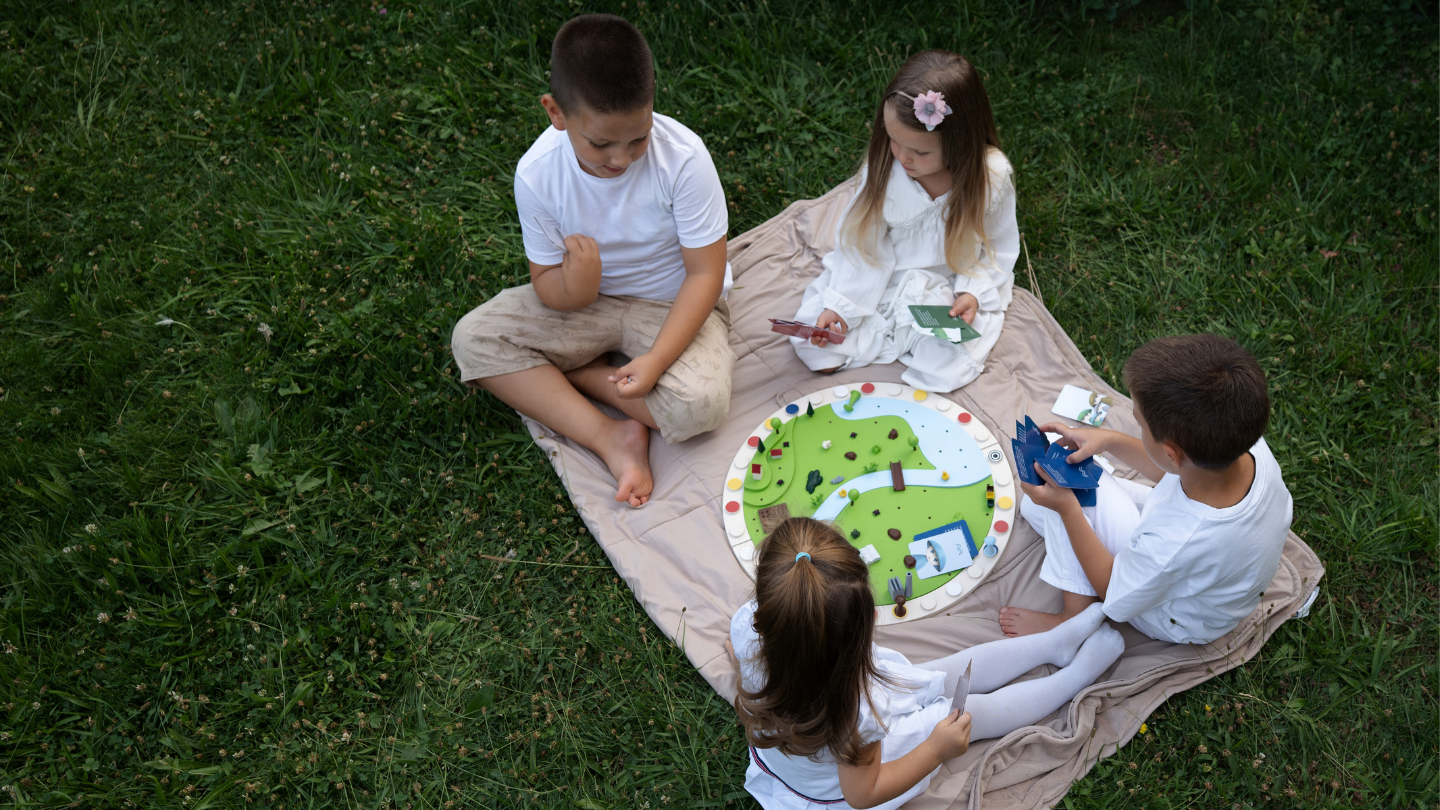
EcoRush is a cooperative didactic game designed to build environmental awareness in children through play, showing them how everyday actions affect nature while developing cognitive, social, and creative skills.
Define the problem/need you are solving or addressing with your project. How does it address the Open Call criteria, such as environmental impact, social engagement, circularity, user experience, resource efficiency, and community-driven solutions?
EcoRush addresses the growing disconnect between children and environmental responsibility. As ecological crises intensify, early education must embed ecological thinking, yet most tools rely on passive instruction rather than playful, embodied learning.
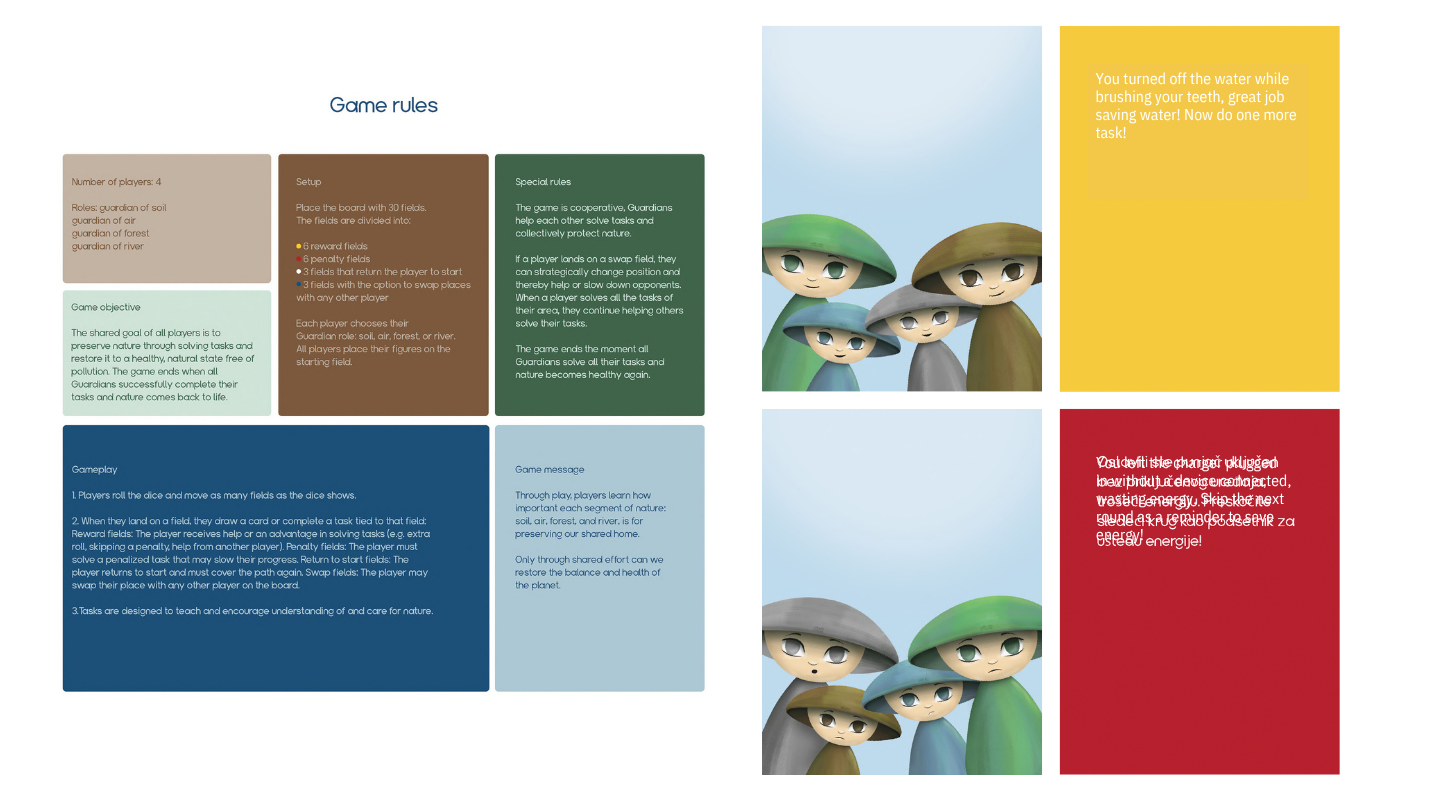
The game responds directly to the Open Call criteria. It delivers environmental impact through mechanics where rewards and penalties are tied to ecological actions, helping children understand consequences through experience. Social engagement is fostered through cooperative play requiring teamwork to restore a shared natural landscape. The user experience is innovative: children do not just learn about nature, they actively protect it, making decisions with immediate, visible effects on their shared world. Resource efficiency is achieved through thoughtful design that reduces material use while preserving educational value. Community-driven solutions are central: no one wins alone. Players must collaborate as the Guardians of soil, air, forest, and river to restore balance together.
Please describe your project, reflecting on the concept, inspiration, materials, technical aspects, methods and process(es).
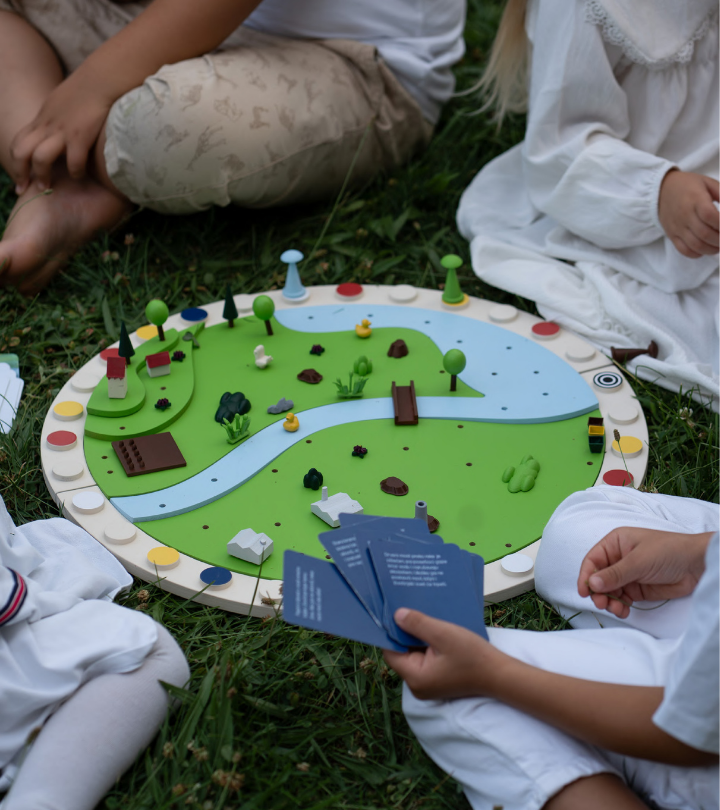
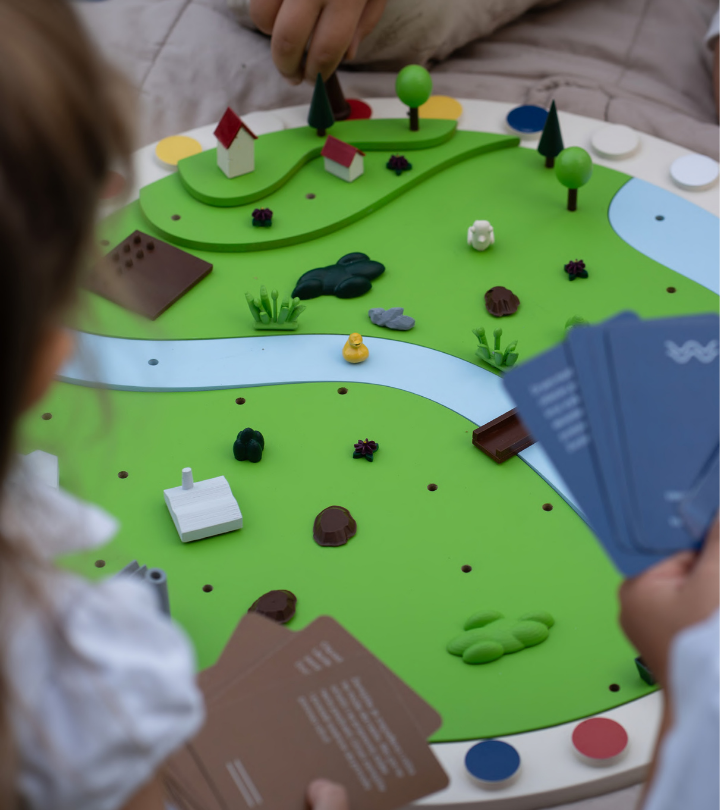
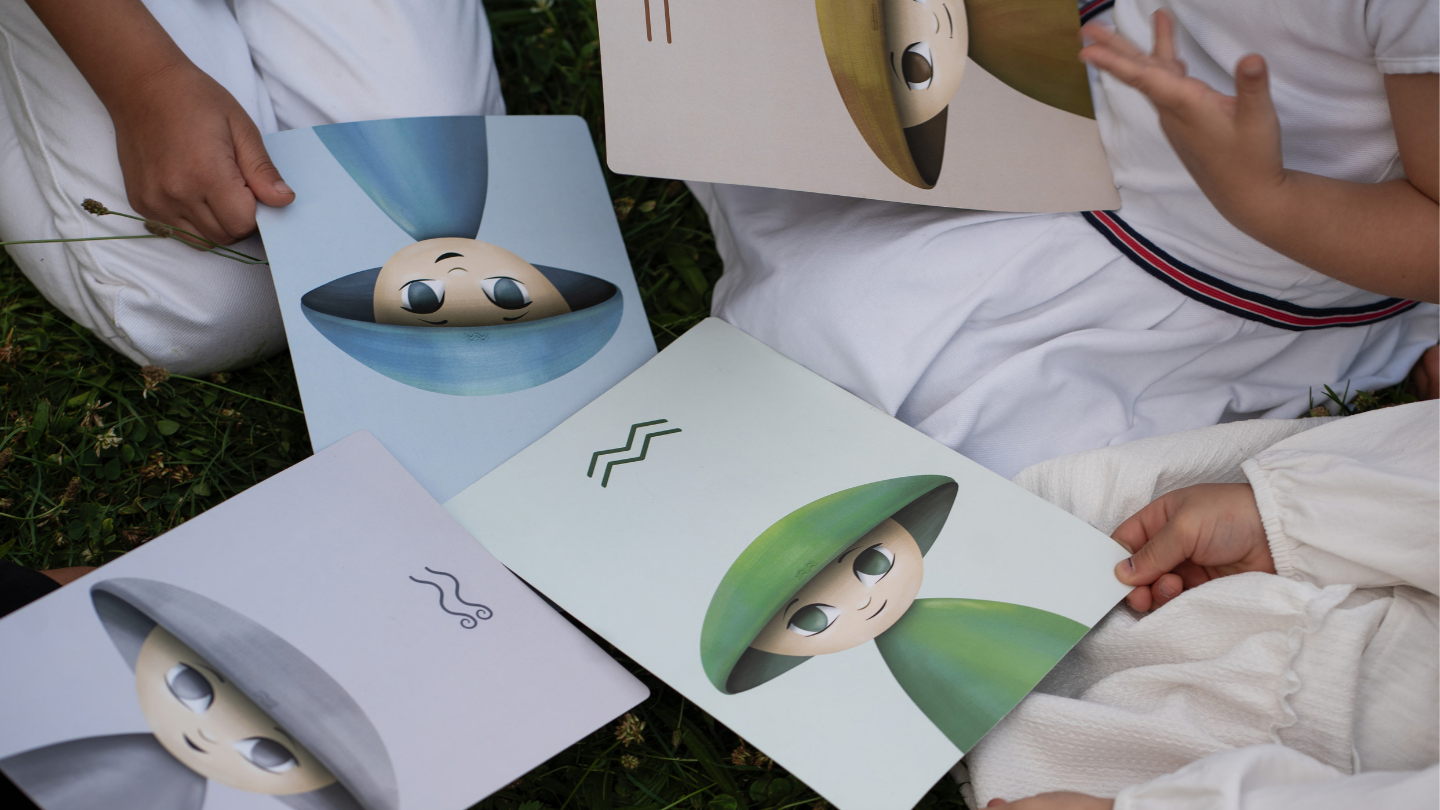
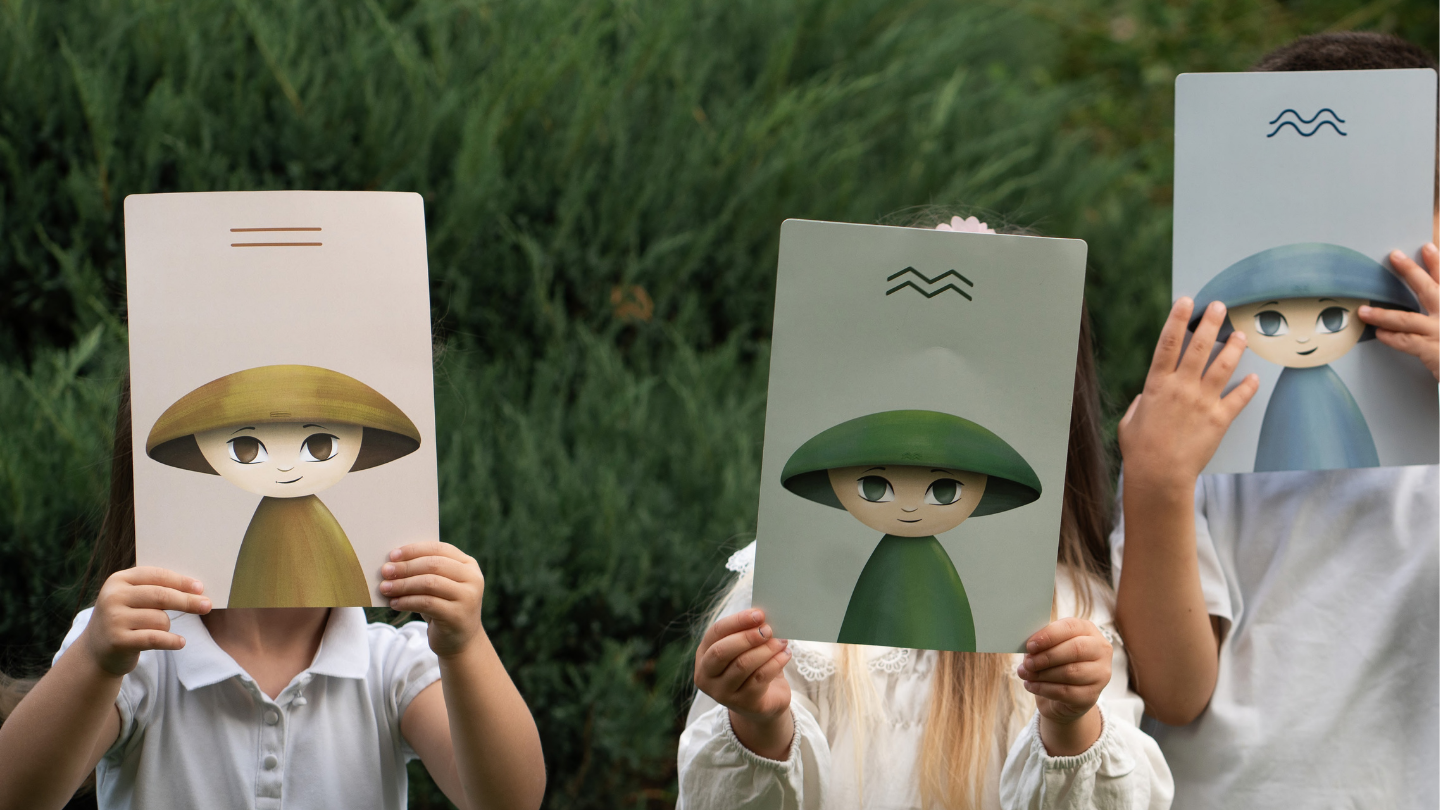
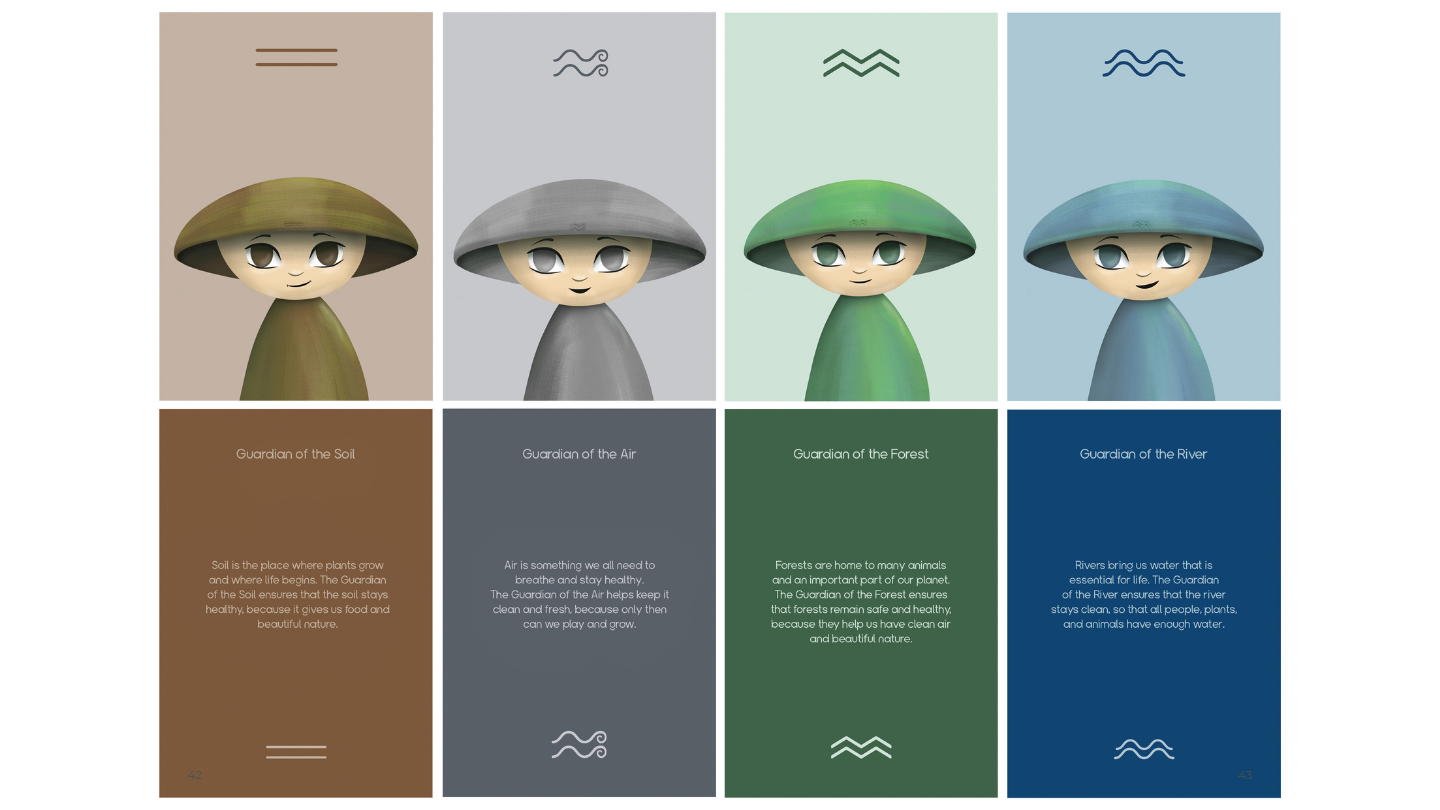
EcoRush centers on a circular board symbolizing the planet and the interconnection of all ecosystems, populated with modular elements including trees, factories, recycling stations, solar panels, and oil spills. The landscape visually reflects the state of the world, shifting as players make decisions. Four Guardian characters represent soil, air, forest, and river, each carrying a distinct ecological role.
The game was developed through direct testing with children across multiple prototype iterations, with cardboard and foam models used to refine scale, element proportions, and gameplay mechanics before moving to digital 3D modeling. Material choices were guided by durability, tactile quality, and ecological responsibility. The final system combines structural components with smaller detailed pieces, creating a rich sensory experience. Rewards and penalties are tied directly to ecological actions, making cause and effect immediately legible to young players.
What do you think makes your project innovative compared to the existing efforts and ideas in the field it addresses?
Most eco-educational toys are either passive or competitive, framing environmental protection as individual achievement. EcoRush differs in three meaningful ways.
First, it is structurally collective: the game ends only when all four Guardians complete their tasks together, modeling real ecological interdependence rather than simplifying it.
Second, its world-building system is dynamic. Polluted factories sit alongside solar panels, oil spills alongside recycling stations, creating a landscape that visibly degrades or recovers based on player choices, making environmental consequences tangible for young children.
Third, the Guardian characters foster identification over competition: each child embodies a specific ecological role, grounding abstract concepts in personal responsibility. This combination of collective mechanics, visual storytelling, and role embodiment, validated through multiple rounds of child user testing, has no direct equivalent in the current market.
Does it impact or reflect young people need(s) and how?
EcoRush is designed around the developmental needs of children aged 6 and above, drawing on Piaget’s cognitive stages, fine motor skill research, and socio-emotional growth theory.
At this age, children are transitioning from egocentric toward cooperative reasoning. Gameplay supports this directly: it requires turn-taking, communication, strategic thinking, and emotional regulation when outcomes are negative. Tactile miniature elements strengthen fine motor skills; illustrated character cards support language development and narrative thinking; the ecological task system builds environmental literacy through lived experience.
Young people are the generation that will bear the full weight of today’s environmental decisions. EcoRush meets them at their developmental level with honest, age-appropriate content, not fear, but agency. Children learn that small actions carry weight and that real change happens through cooperation. These are not abstract lessons. They are practiced through play.