Chaiterra explores the potential of tea waste to create biobased materials, transforming discarded organic matter from local industry into functional products for a sustainable future.
Define the problem/need you are solving or addressing with your project. How does it address the Open Call criteria, such as environmental impact, social engagement, circularity, user experience, resource efficiency, and community-driven solutions?
The project addresses the dual crisis of plastic pollution and industrial organic waste. While the food and drink industry generates massive amounts of tea residues, traditional production still relies heavily on fossil-fuel-based plastics that pollute our ecosystems for centuries. Chaiterra identifies a specific opportunity within a local company to intercept their tea waste before it reaches landfills.
This initiative directly impacts young people, who are increasingly vocal about the plastic crisis and demand transparent, local production cycles. By transforming specific waste streams from the local food industry into functional objects, the project provides a tangible alternative to single-use plastics. It empowers the younger generation to transition from a “take-make-waste” mindset to one of environmental stewardship and localized resource management.
Please describe your project, reflecting on the concept, inspiration, materials, technical aspects, methods and process(es).
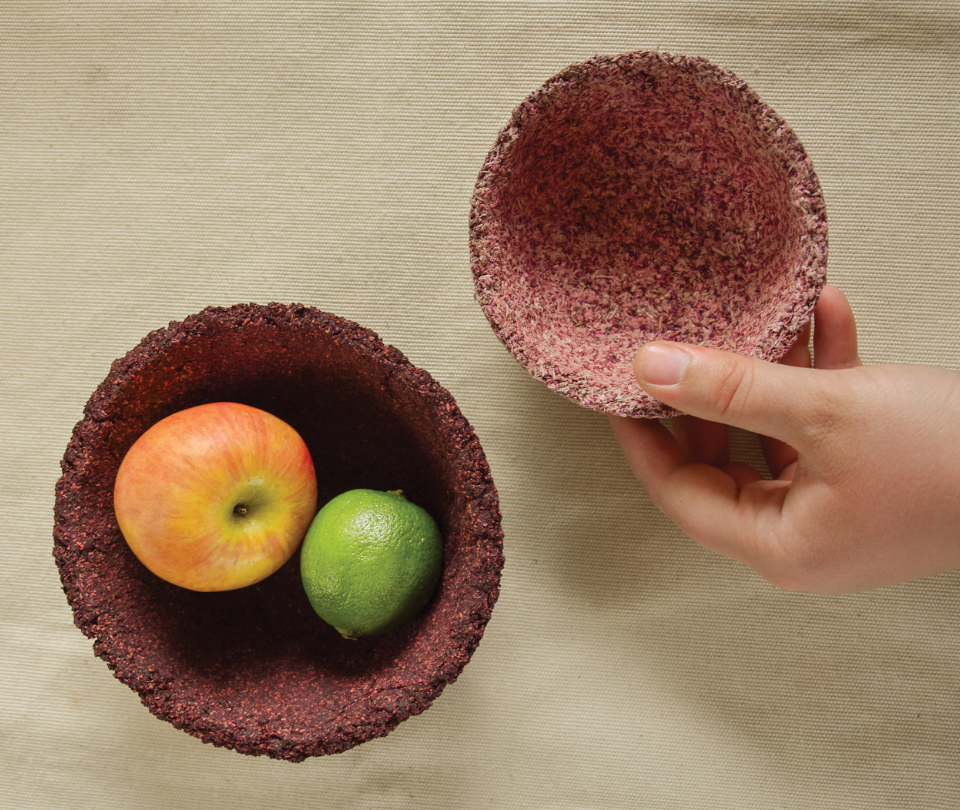
The concept focuses on creating a natural, fully biodegradable alternative to plastic, using tea waste sourced from a local company. Inspired by the principles of regenerative design, the process explores how organic leftovers can be stabilized without synthetic additives.
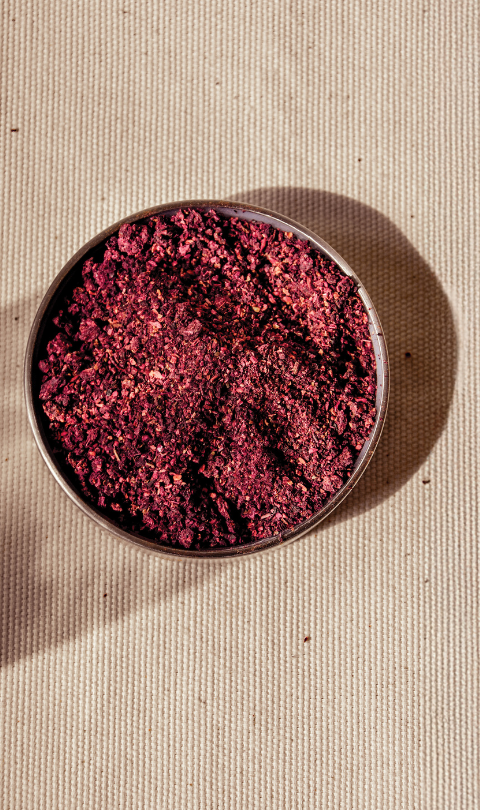
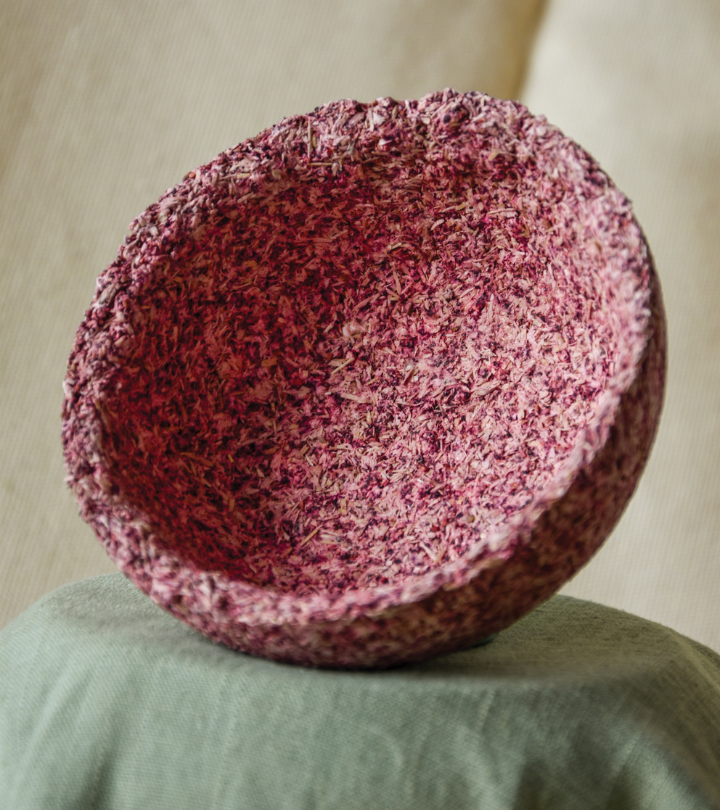
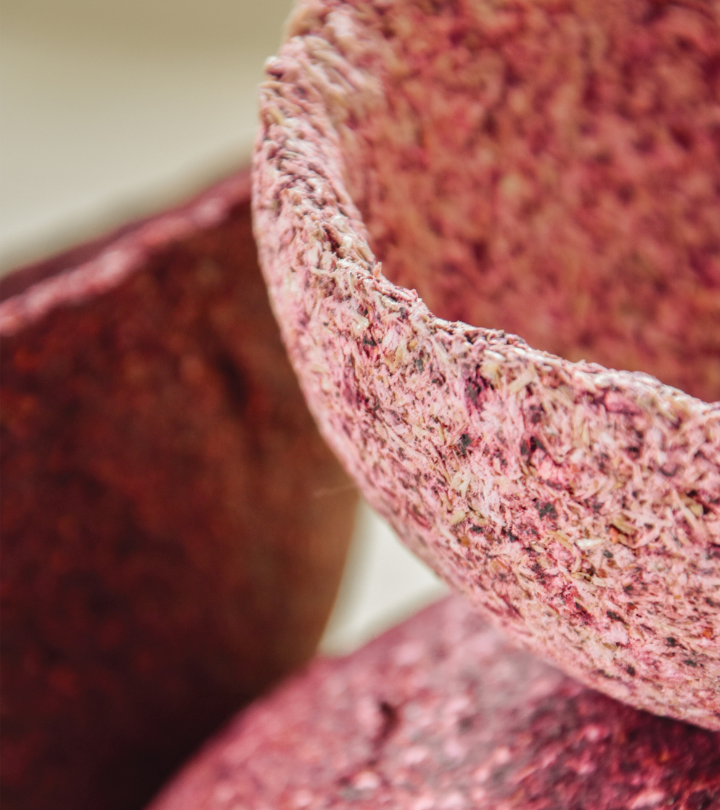
The technical method involves drying and processing the industrial tea residues, which are then combined with bio-based binders through a low-energy compression process. This “kitchen-to-studio” approach ensures that the material remains non-toxic and structurally sound for its intended use. By maintaining a simple, transparent production line, Chaiterra highlights the raw, sensory qualities of the tea. The resulting product is not just an object but a functional carrier of a circular story, designed to support natural cycles at every stage of its existence.
What do you think makes your project innovative compared to the existing efforts and ideas in the field it addresses?
Chaiterra’s innovation lies in its regenerative approach to material sourcing, turning a local industry’s byproduct into a high-value resource. It prioritizes circularity and resource efficiency over traditional, high-impact manufacturing. By replacing plastic with a biobased material, the project significantly reduces environmental footprints.
Socially, it engages the local community by closing the loop between a neighborhood company and the final consumer. The user experience is defined by the material’s honesty—its ability to eventually return to the earth as compost, supporting natural cycles. This makes Chaiterra a community-driven solution that proves how design can move beyond sustainability toward true regeneration, ensuring that the product’s end is simply a new beginning for the soil.
Does it impact or reflect young people need(s) and how?
Chaiterra addresses the urgent need of young people to combat plastic pollution through tangible, regenerative actions. By transforming local industrial tea waste into functional design, it offers a transparent alternative to fossil-fuel-based products. This empowers a generation facing ecological anxiety to integrate their ethical values into daily sustainable rituals.